Tips & Advice
What Does Smart-Casual Mean & What Should I Wear?

Smart-casual is one of those dress codes that sounds straightforward, but tends to cause hesitation the moment it appears on an invitation. It sits in an in-between space of neither fully formal nor completely relaxed, making it open to interpretation.
For some, smart-casual becomes a case of pairing a blazer with jeans. For others, it’s simply removing a tie from office-wear. Without a clear sense of intention or balance in how your garments are combined, this can create a visible lack of confidence in your choices.
Really, smart-casual is less of a fixed dress code and more of a balancing act. Once you understand what you’re balancing, it becomes far easier to approach with confidence.
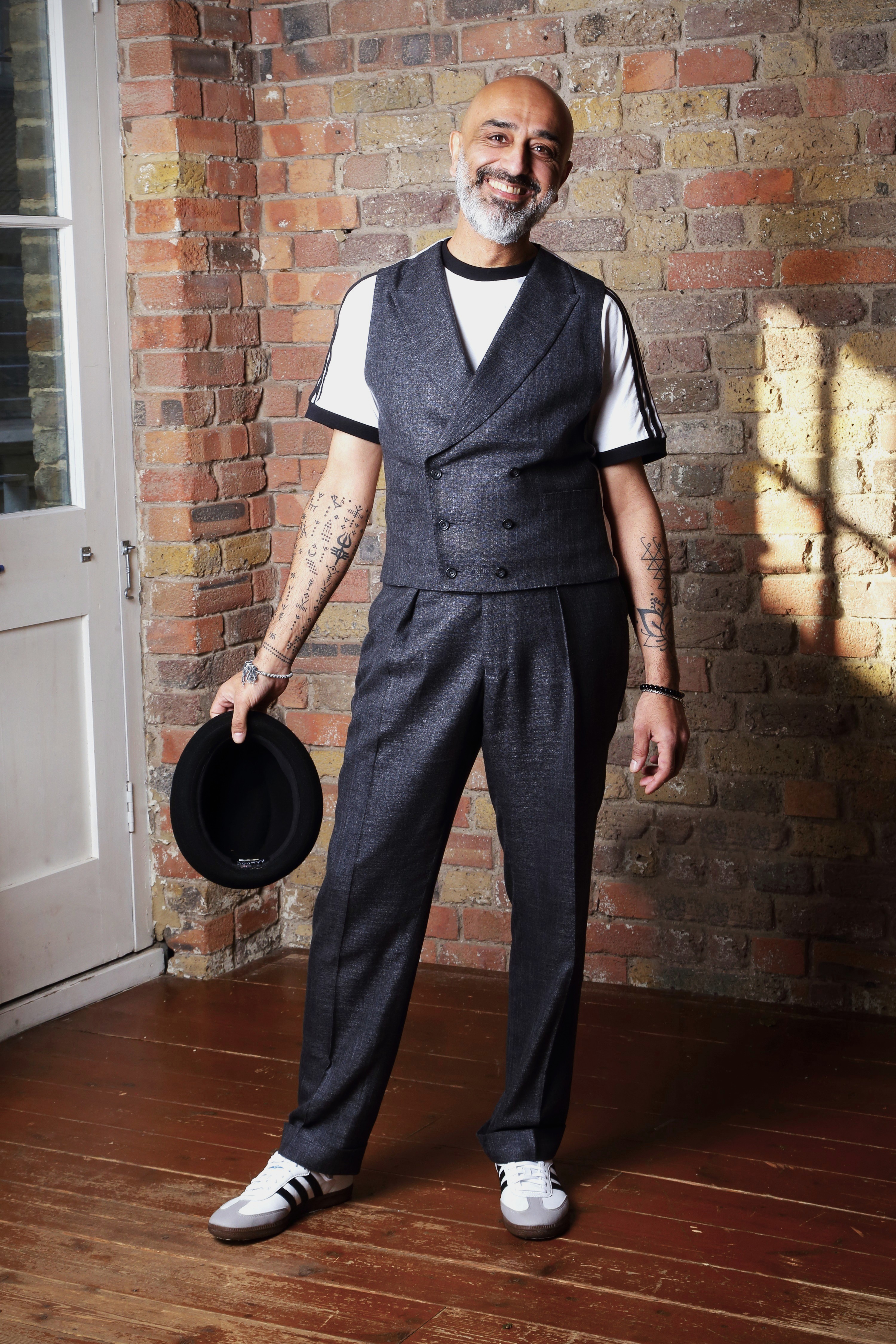
What 'Smart-Casual' Actually Means
Unlike black tie or business formal, there is no universal checklist that guarantees correctness. The same outfit might feel perfectly appropriate in one setting, and slightly underdressed, or overdressed in another.
Think of smart-casual as a spectrum, rather than a single definition. At its simplest, smart-casual is the meeting point between tailored clothing and everyday wear, combining the refinement of suits with the comfort and intention of practicality.
Smart-casual varies depending on the context:
In a modern office, smart-casual often leans closer to tailoring.
At a dinner or social gathering, it becomes more relaxed and practical.
In creative industries, there is often more room for personality and variation.

Why Suits are a staple for Smart-Casual
Tailoring is often boxed into formalwear, but in reality it is one of the most effective ways to navigate smart-casual with confidence. A suit offers more than a single outfit. It provides a foundation of pieces that can be styled up or down with ease. A well-cut jacket instantly sharpens denim or relaxed trousers, while tailored trousers bring structure to softer, more casual layers.
What sets tailoring apart is the quiet precision it brings. Even when worn casually, it creates a sense of intention. Your outfit feels considered, not accidental. By choosing suits designed with versatility in mind, such as softer construction, adaptable fabrics, and thoughtful details, you create a wardrobe that works harder and gives you effortless options for smart-casual dressing without compromising on comfort or individuality.
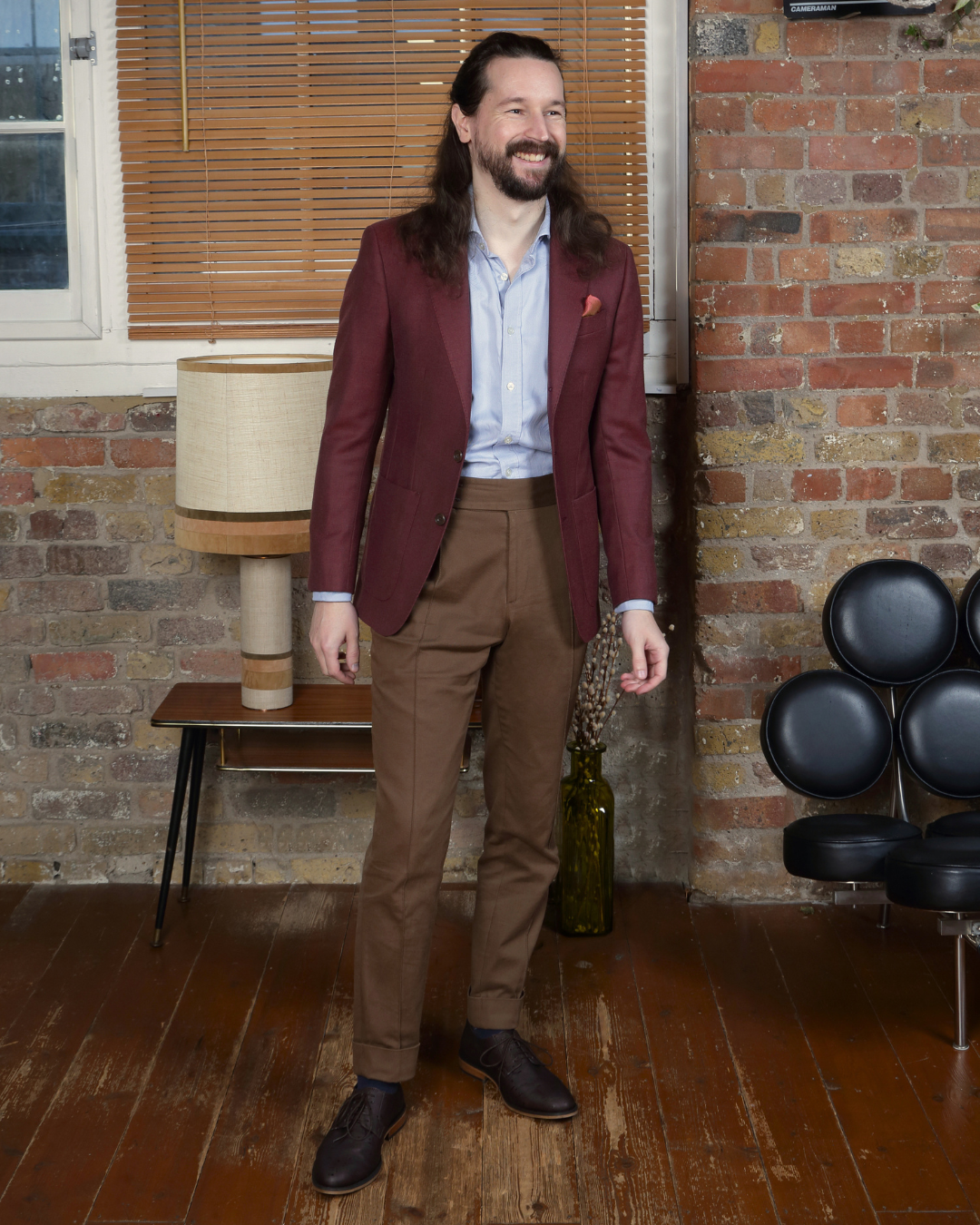
Designing a Suit for Smart & Casual Versatility
Not every suit works with a smart-casual dress code. Some suits are designed with formal occasions in mind, while others are intentionally more understated and adaptable.
Colour
Navy, charcoal, and mid-grey remain the most reliable foundations. They work across all seasons and pair easily with most wardrobe staples. That said, versatility is not limited to these shades. The real consideration is whether a colour fits naturally into your existing wardrobe, as if it pairs well with garments like shirts and knitwear you already own, it will likely function well in your smart-casual wardrobe. What tends to reduce this versatility is niche or trend-led colouring, which feels striking initially but often limit how frequently the suit can be worn.
Fabric
Mid-weight wool is always a dependable option, as it holds the suit's structure, drapes cleanly, and performs well across multiple seasons.
Wool blends and textured weaves, such as twill or worsted wool, are great at adding depth. Smoother fabrics tend to look sharper and more formal, so adding texture makes them easier to wear in relaxed environments.
Make sure to consider the breathability of your fabric choice, as a suit that can comfortably move between seasons will naturally see more use.
Explore our full range of fabric here

Silhouette and Construction
The way a suit is cut determines how it behaves when separated from the full look, therefore a balanced silhouette is the most versatile.
The jacket should follow the body cleanly through the shoulders and chest without pulling, while leaving enough room through the waist and sleeves to layer comfortably. Trousers should drape naturally with a straight, uninterrupted line rather than cling to the leg or appear too wide. This middle ground allows each piece to integrate more easily with the rest of a wardrobe.
Here are some of our recommendations...

Soft Shoulders
Soft or lightly structured shoulder construction tends to feel more relaxed, making it easier to wear a jacket in casual environments without it feeling overly formal.
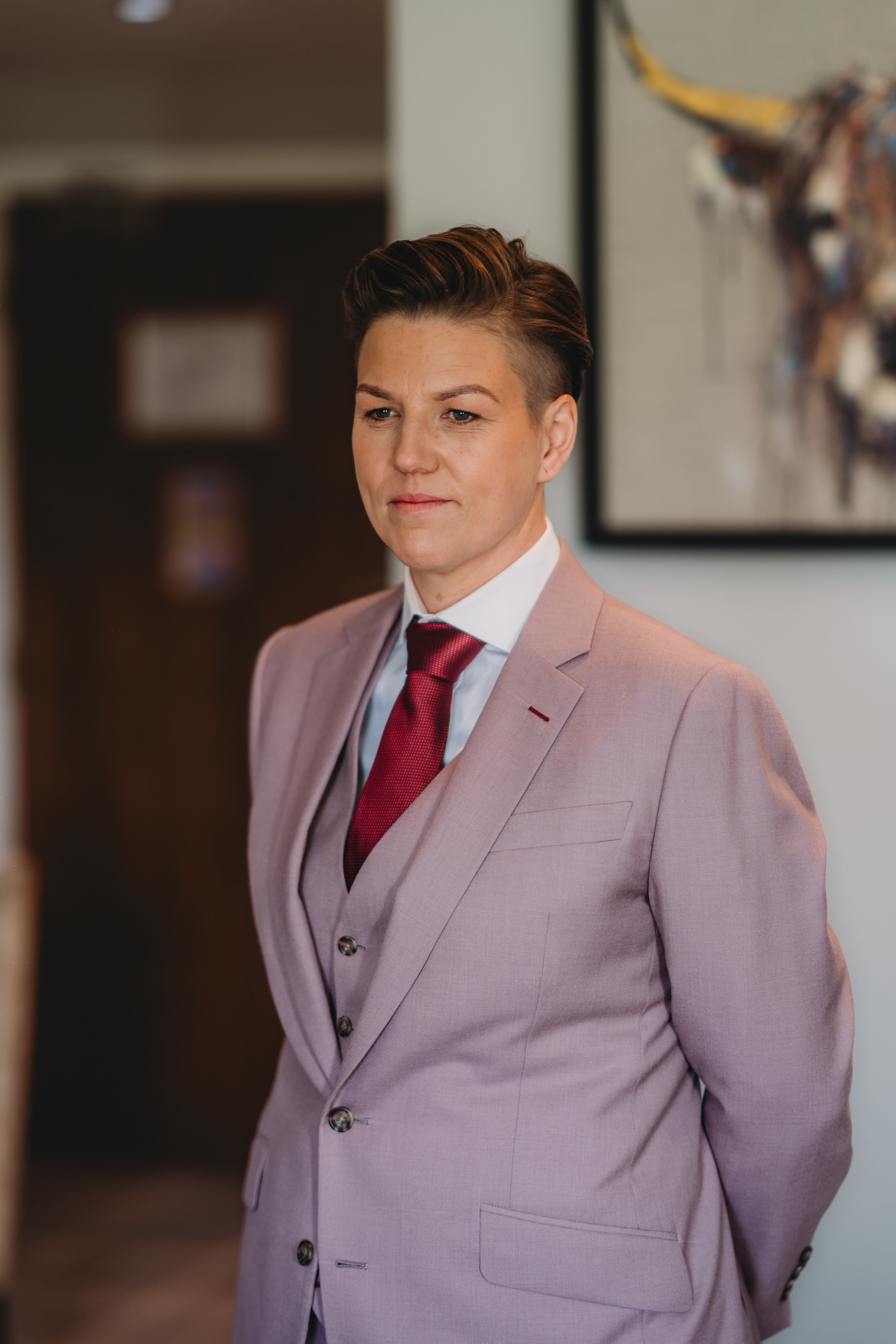
Notch Lapels
Lapel width is another subtle but important detail. A notch lapel of medium width tends to strike the right balance, sitting comfortably across both formal and informal outfits.
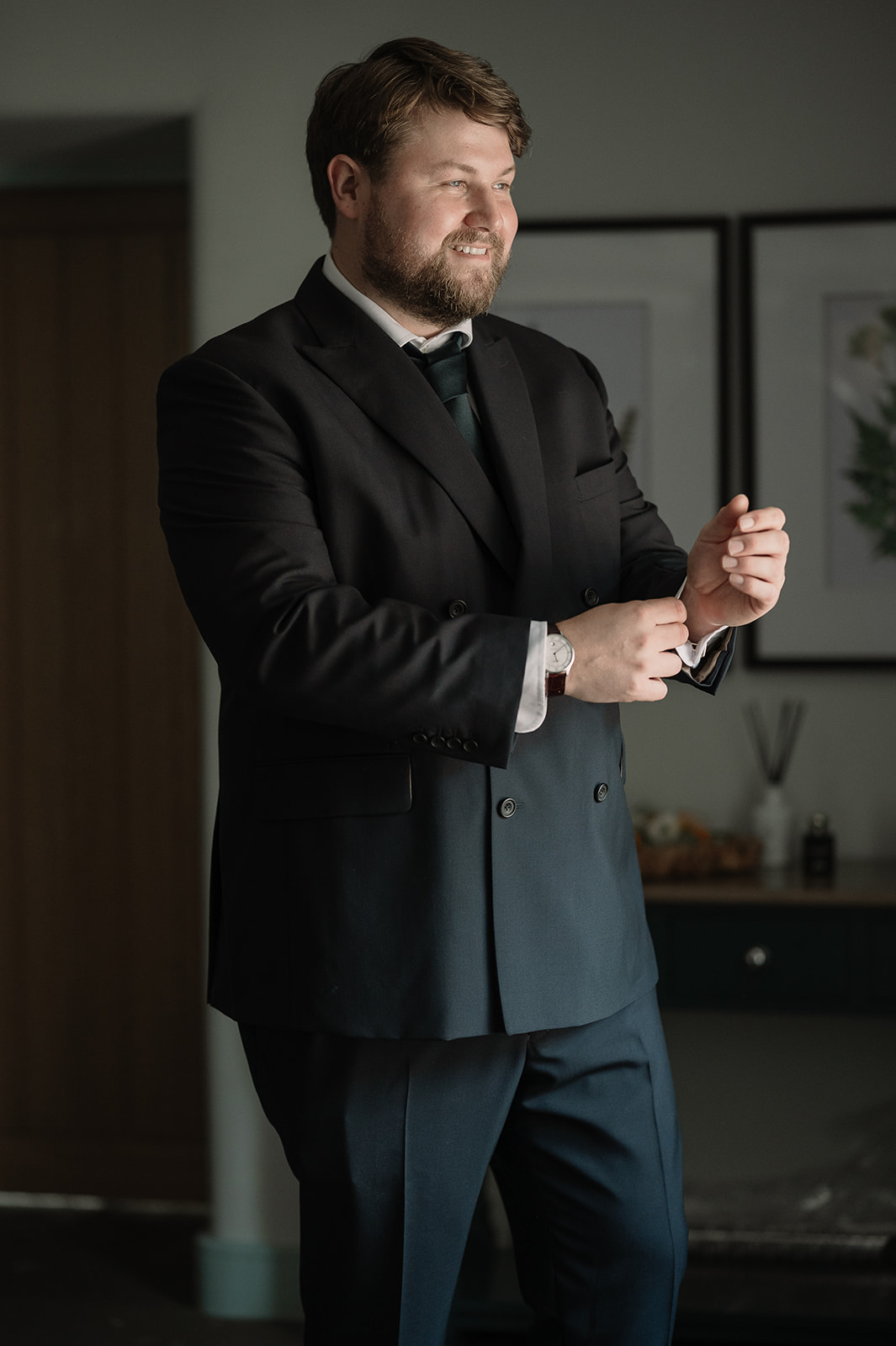
Minimalism
Minimal detailing also helps to maintain this versatility, and features such as clean lines and simple stitching allow the suit to adapt.
That said, these are suggestions rather than strict rules. Personal style always has room within smart-casual dressing, and the overall aim is balance not uniformity.
Smart-Casual Styling Examples
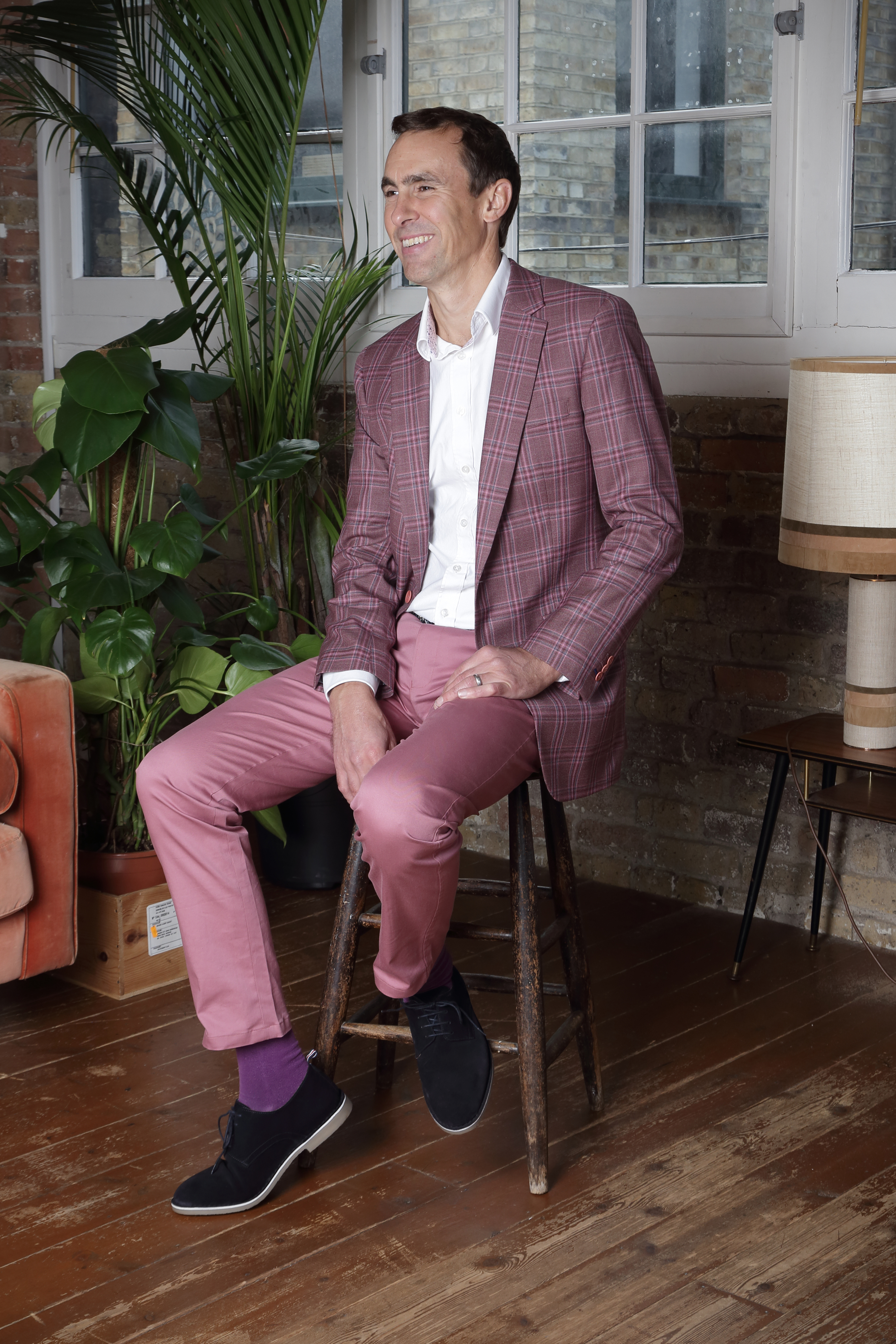
One of the most practical ways to approach smart-casual dressing is to stop thinking of suits as fixed sets, but as independent pieces that can be styled separately.
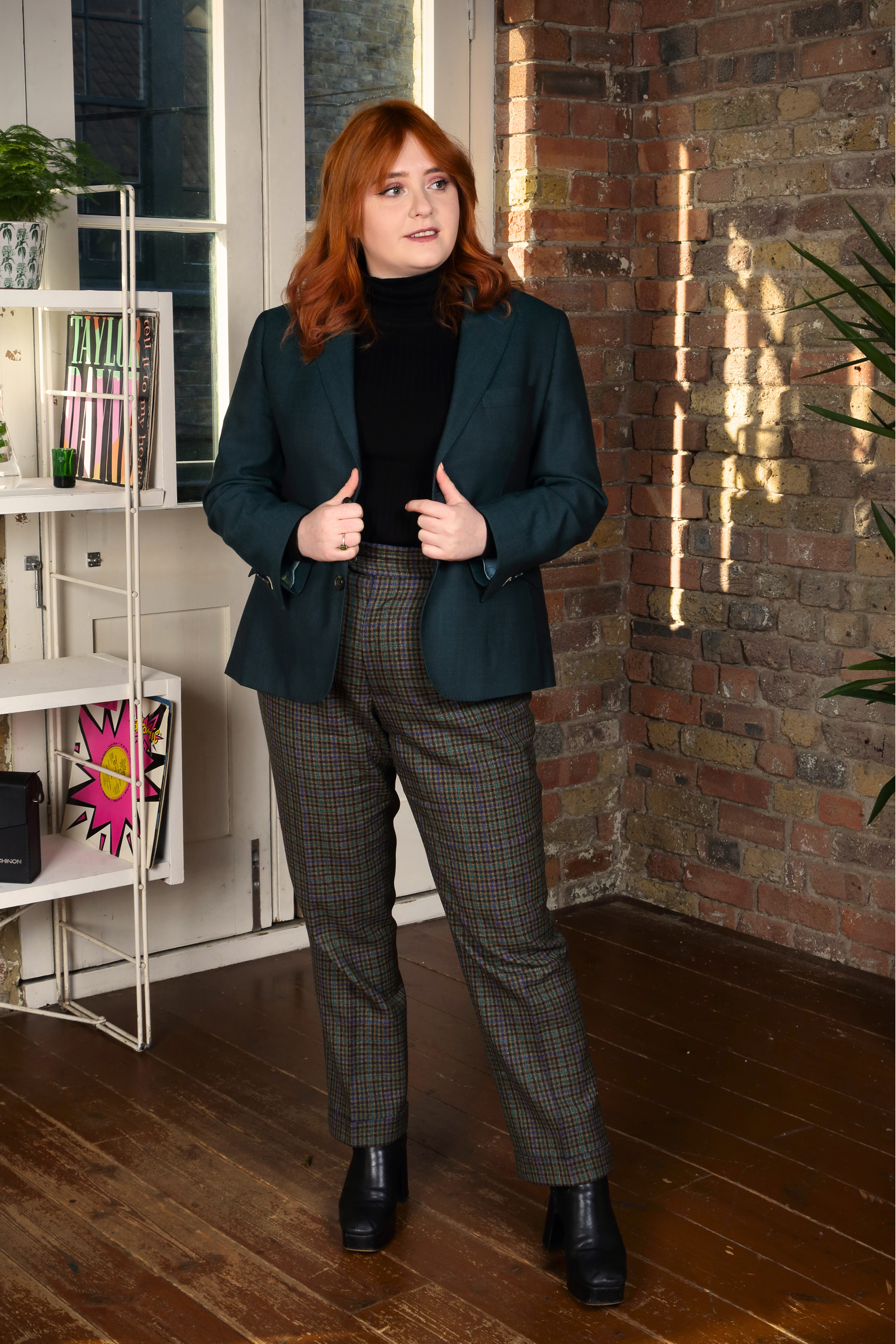
For example, a suit jacket can easily replace a blazer in everyday outfits, paired with chinos or jeans. Additionally suit trousers can be paired with knitwear or even t-shirts. This approach is what gives tailoring the versatility that allows you to build multiple outfits from a small number of pieces. Here are some examples of how you can create a smart-casual outfit:
Relaxed office smart-casual
Mid-grey wool trousers paired with a crisp, open-collar shirt. A charcoal jacket can be added where required. Add simple footwear such as loafers or leather trainers to maintain this comfortable balance.
Evening smart-casual
A navy blazer paired with a black or neutral roll neck. Wear alongside dark denim or tailored trousers. Add leather boots or loafers for quiet confidence.
Everyday smart-casual
Charcoal or navy suit trousers paired with a simple t-shirt or relaxed knit. A jacket of similar colouring can be added or removed depending on the setting. Add clean trainers or minimal leather shoes to keep a grounded look.
Waistcoat smart-casual
A tailored waistcoat paired with matching or complementary trousers, worn with a plain T-shirt, open collared shirt underneath or just on its own. Complete the look with brogues or simple trainers.
Final Thoughts
Smart-casual is all about balance. Tailoring provides the structure and casual pieces provide the ease - the space in between is where smart-casual lives. Individual suit garments are particularly valuable, and a single well-designed jacket or pair of trousers can be a hugely versatile item for your smart-casual wardrobe.
So don't overthink it: your clothes should fit your day, not dictate it.
Ready to invest in tailoring designed around you?
Book a consultation to discover your smart-casual style
You might like...
-
 The King & Allen guide to dressing for a job interviewTips & Advice
The King & Allen guide to dressing for a job interview