Tips & Advice
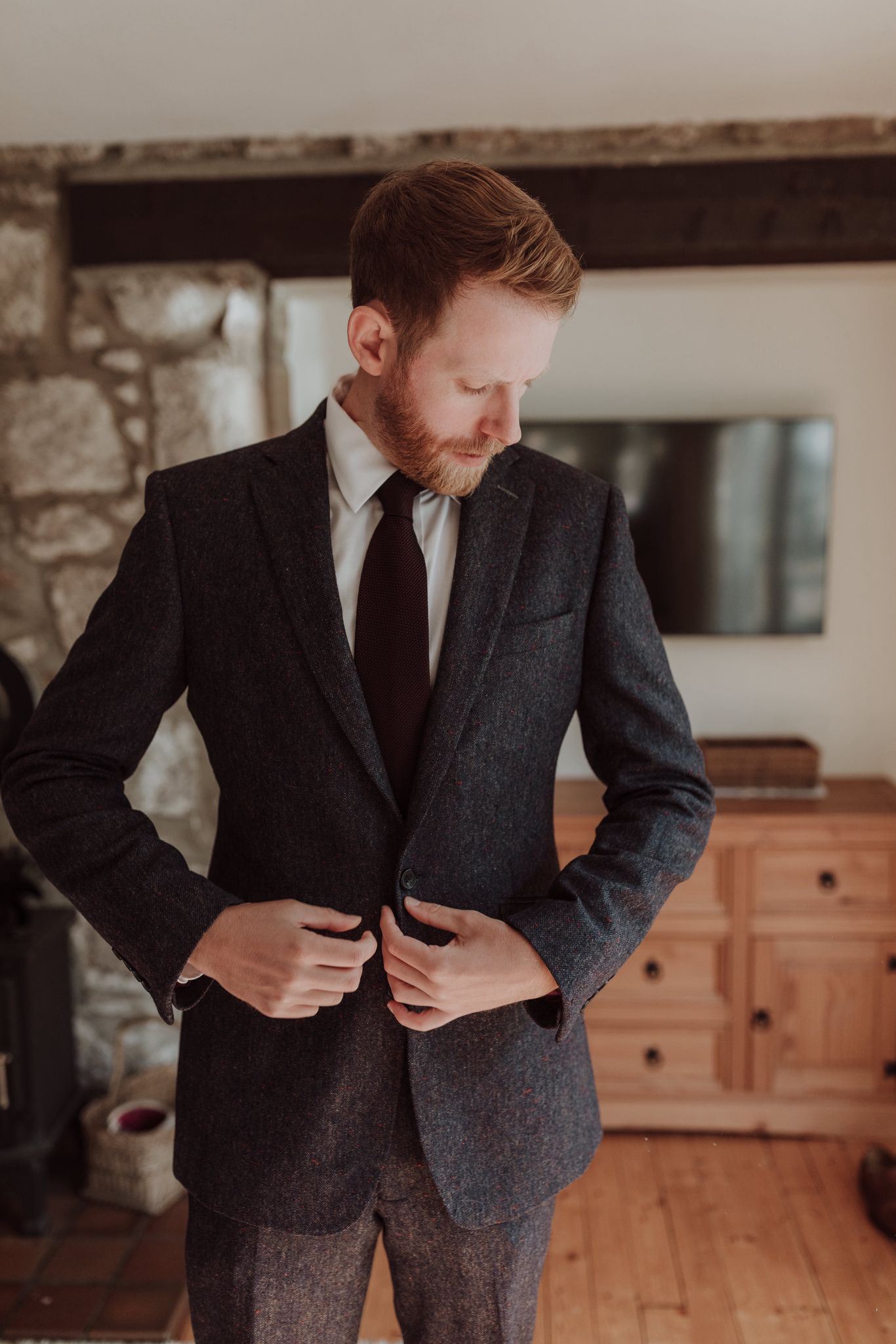
Minimalism and Versatility: Designing a Suit That Does More

Most wardrobes are full, yet the feeling of having “nothing to wear” remains familiar. Often, the issue is not a lack of clothing, but that too many garments are designed for a single moment or trend. Once these moments pass, those pieces quietly disappear from rotation.
Rather than choosing bolder looks, there is an appreciation for clothing that feels calm and understated - choosing pieces that integrate naturally into an existing wardrobe instead of competing for attention within it.
Not everyone wants their clothing to make noise, and for some people there is comfort in simplicity, and something that feels calm and balanced. People are drawn to minimalist tailoring, because it allows the wearer to feel comfortable without excess. A clean, understated suit can create quiet confidence, without relying on bold details - that restraint is the appeal itself.
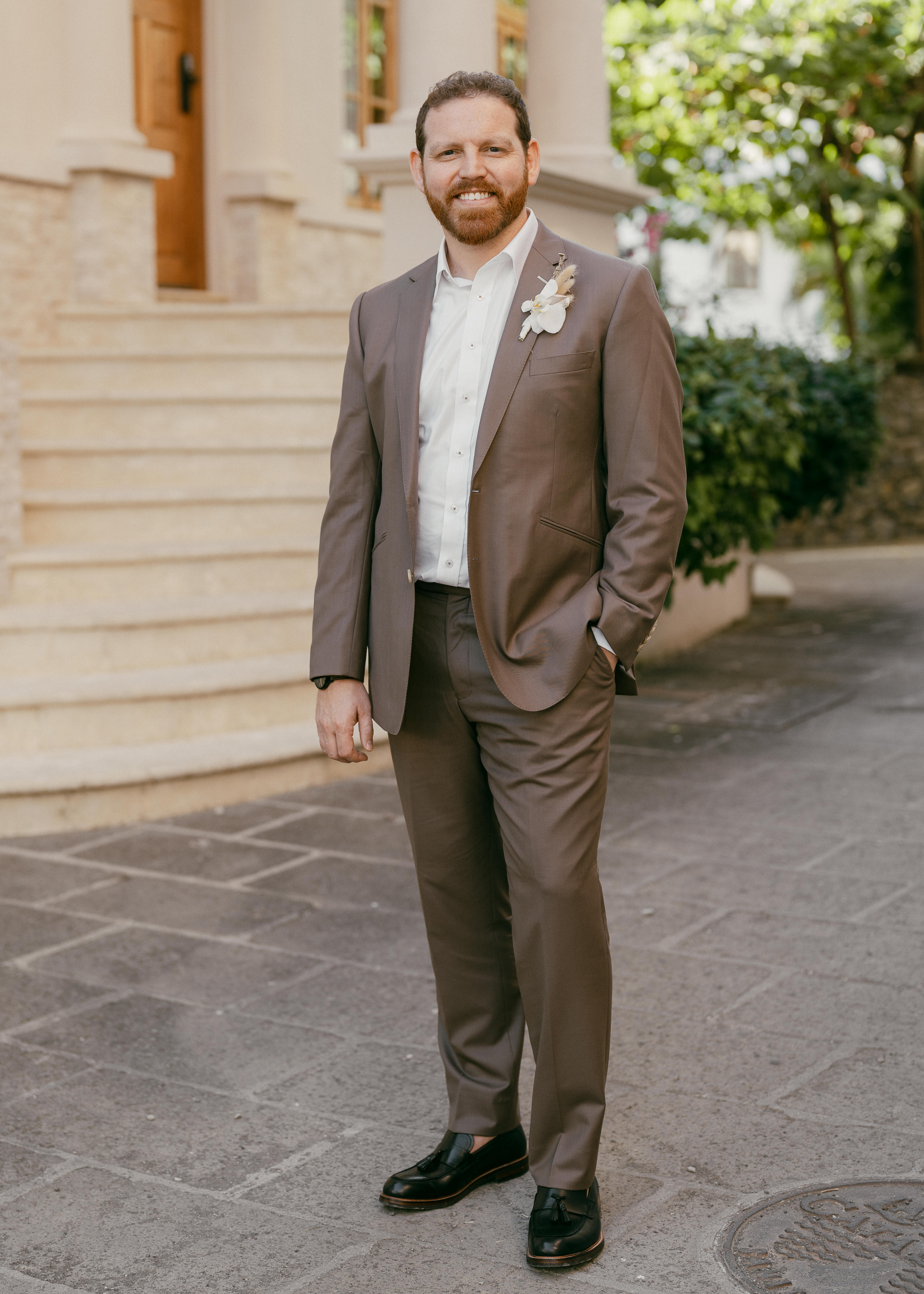
Minimalism is not the Absence of style
Minimalism is not about a lack of style. It is deliberate, with fewer details competing for attention and balance, and projects a timeless look where simplicity is the design itself.
This style often appeals to people who prefer consistency in how they dress. Clean shapes and simple construction feels easier to process visually, and this sense of order makes tailoring more comfortable and natural to wear - especially for neurodivergent or introverted individuals. The foundation of minimalist tailoring is the silhouette and the clean lines within the suit.
Minimalism also avoids extremes such as restrictive, tight cuts or overly loose shapes that overwhelm the body with excess drape. Instead, it relies on a structure with just enough definition to look refined without exaggeration.
Bespoke tailoring enhances minimalism by adapting the suit to the individual body, refining small details in the suit’s fit so the overall shape feels natural and effortless.
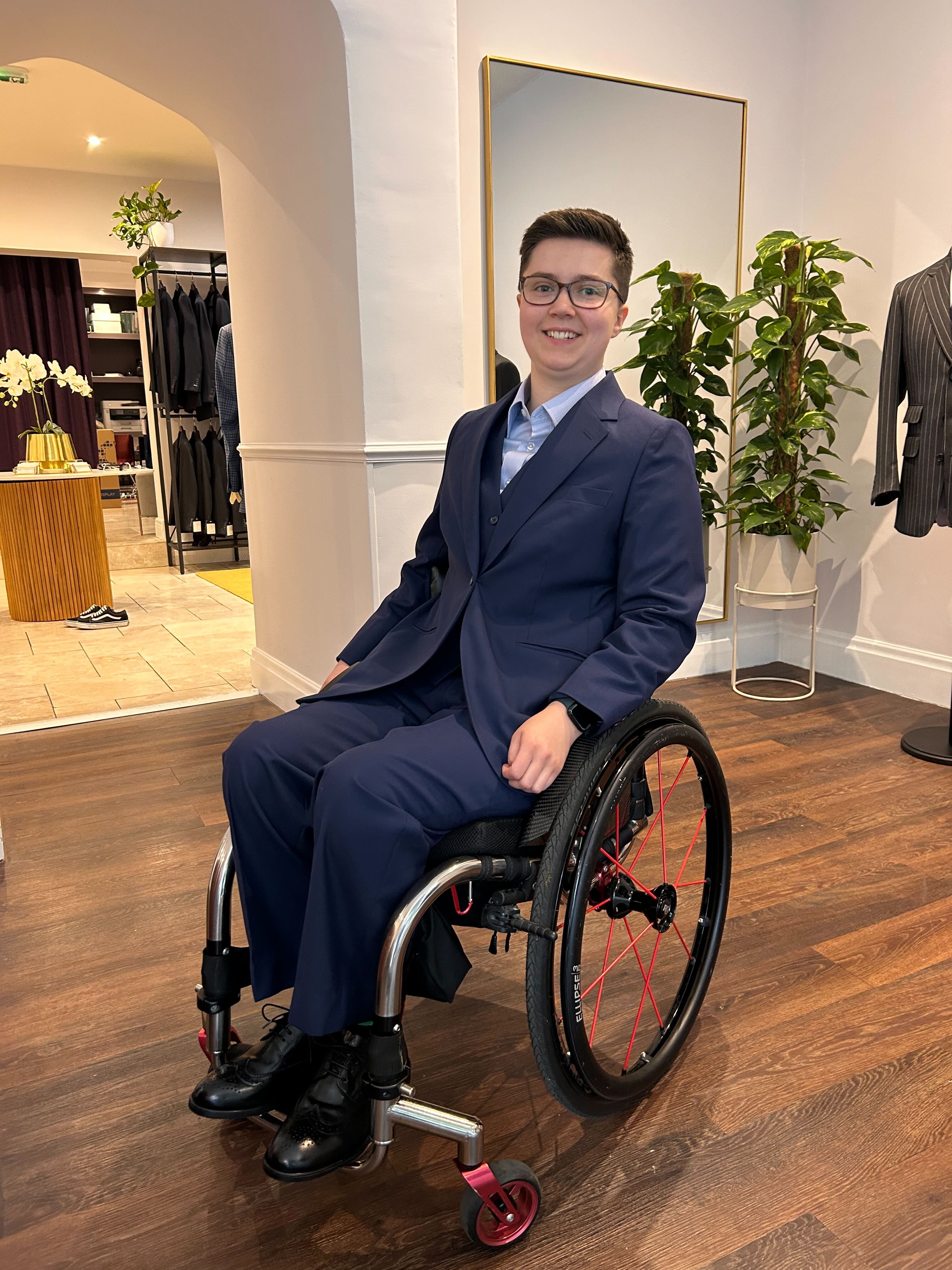
How to Design for Versatility
Rather than thinking of a suit as a single outfit, it is more useful to see it as a set of components. A jacket, trousers, and waistcoat that can work together, but also independently, worn as a full look when needed, or broken apart and styled in different ways depending on the setting.
For example, a clean-cut jacket without heavy detailing can be styled in multiple ways without losing its identity. Pair your jacket with matching trousers for a complete suit, or wear with denim or chinos for a relaxed outfit. You can even shift between casual or formal footwear depending on the context.
As for colour, neutral tones such as navy, stone, or muted earth shades are very flexible, integrating quietly into a wardrobe to support other pieces. However, it should be said that minimalism does not have to be about avoiding colour or expression. If your wardrobe leans towards something bolder, those preferences are equally valid - minimalism is all about ensuring nothing in the garment prevents it from being worn more often.
Rather than asking yourself “Where will I wear this?”, the question becomes “How many ways can I wear this?”.
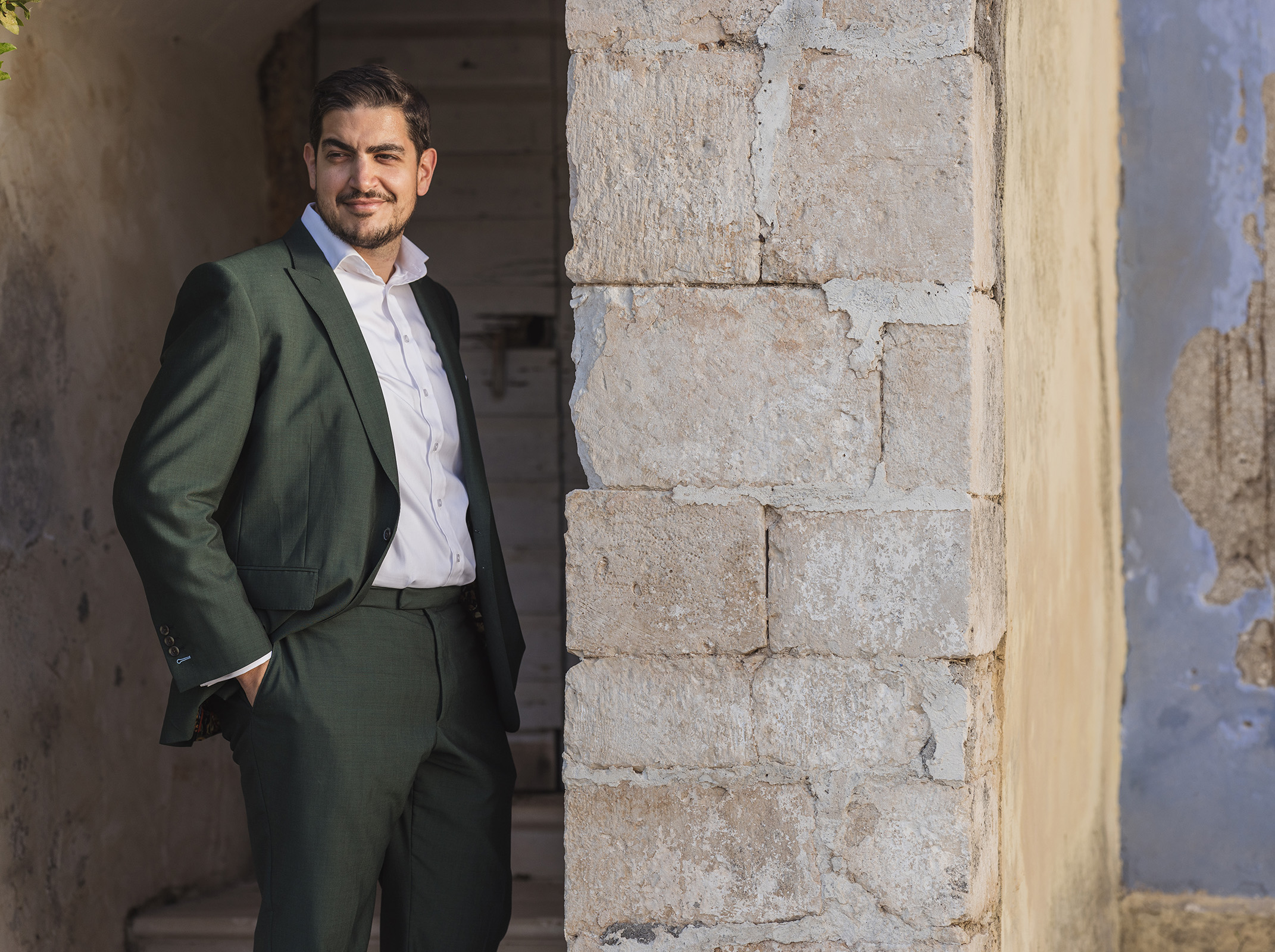
Minimalist Design Choices in Tailoring
The Fabric
Your selection of fabric is critical to how your suit will perform over time, as beyond appearance this will determine the comfort and durability of your garment.
Mid-weight wool (such as worsted wool or flannel) is one of the most reliable choices for a versatile suit, as it offers enough structure for a sharp silhouette while remaining breathable. Wool has a natural resilience, recovers well from wear, holds its shape over time, and resists creasing more effectively than lighter fabrics. Ultralight fabrics are generally not recommended for a minimalist approach, as you need a fabric robust with enough spring to hold the boxy shape.
Blended fabrics improve the versatility of your suit by combining wool’s structure with other fabrics that enhance specific properties. These are blends such as Linen for breathability, Mohair for crease resistance or Elastane for comfort. This allows a suit to perform more consistently across different climates, movement demands, and styling contexts.
Beyond the outer cloth, the internal construction of the suit contributes to how your suit wears over time. A full canvas, a layer that runs through the entire front of the jacket, is typically made from layers of horsehair, wool, and cotton - allowing the jacket to mould to the body and maintain its shape through repeated use.
The lining should always feel personal to you, that way it will always feel timeless. The material of the lining should be comfortable and durable, with the best options being materials like Bemberg (cupro) or Viscose.
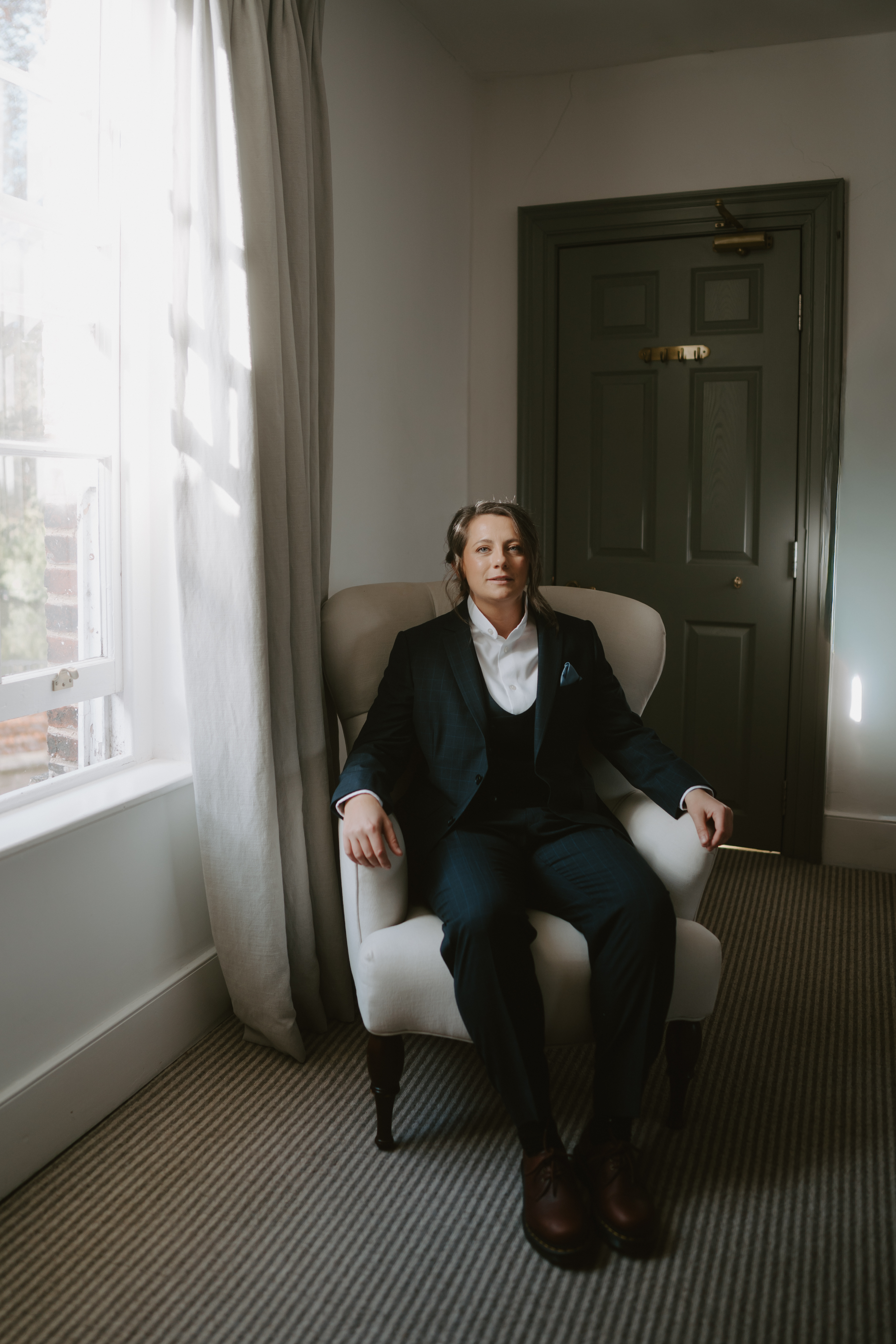
The Details
Button choice: Horn buttons in dark brown, black, or tortoiseshell are a traditional option. Mother-of-pearl buttons in white or cream create a softer feel, and lend themselves better to lighter fabric. For a vegan option, Corozo buttons are strong and resilient and can be dyed in tones such as navy or brown. Or you could go with no buttons at all, choosing a ‘fly front’ option instead - for ultimate minimalism
Lapels: A medium notch lapel (around 7–9 cm) is an adaptable option. While peak lapels are typically more formal, softer rolling peak lapels can be a great alternative.
Pockets: Pocket construction directly influences visual weight. Jetted pockets are the best choice for a minimalist suit because unlike flap or patch pockets they eliminate external detailing entirely. The important thing is that your pockets serve a function, and that you avoid unnecessary features.
Stitching Details: Stab stitching in a tonal thread keeps edges defined without drawing attention. Edge stitching is typically kept tight and minimal at around 3mm, for a clean look. For a minimalist look, it’s also highly recommended to avoid contrast button holes.
The Fit
When considering fit, it helps to think through each option with comfort and long-term wear in mind. There is no right answer for what fit is best, it all depends on your preferred style - as long as there are clean lines present and not too much drape.
Slim fit: A close-cut suit with a modern feel.
Tailored fit: A balanced fit that follows the body’s shape while maintaining comfort.
Regular fit: A classic, straight-cut suit with more room throughout.
Relaxed fit: A looser, more spacious suit designed for maximum comfort
The same idea applies to the shoulders and the overall silhouette of the suit, with each style creating a different look and feel. Here are some common styles:
Unpadded shoulders: A softer, more relaxed shape that follows the natural line of the body for an understated appearance.
Soft shoulders: Lightly structured shoulders that maintain a natural silhouette while adding subtle shape.
Roped shoulders: A more defined shoulder line with added structure that creates a more formal appearance.
When thinking about your trousers, the break refers to how the hem meets the shoe, and each option creates a slightly different finish. Here are some common styles:
No break: The hem sits just above the shoe for a clean look with an uninterrupted line.
Slight break: A subtle fold where the fabric rests lightly on the shoe.
Full break: More fabric gathers on the shoe, creating a deeper fold.
Cavalry cut (military style): A high, angled hem with minimal to no break, designed for a functional look.
Overall, the best choice for the fit/details of your suit is what makes you feel comfortable, fits into your wardrobe effortlessly and you feel confident enough to wear frequently. If you are inspired by a minimalist style for creating an understated look, think about timelessness and practicality - the art of minimalism is all about functionality.
Make Intentional Choices
The strength of a minimalist suit lies in its adaptability. It can move between formal and informal settings, and pairs easily with your wider wardrobe. More importantly, it allows the wearer to feel composed without excess noise or details. Ultimately, minimalism in tailoring is all about intention rather than limitation. A well-designed suit adapts to the wearer, rather than being limited to being worn in only one way.
Make intentional choices based on what will feel timeless for you personally, rather than following trends or expectations. Select pieces that naturally integrate into your existing wardrobe and support the way you already dress, rather than competing with it.
You might like...
-
 The King & Allen guide to dressing for a job interviewTips & Advice
The King & Allen guide to dressing for a job interview