Tips & Advice
How to Create a Suit That Feels Right For You

The way a suit fits can transform both how it looks and feels to wear, but many ready-to-wear garments are produced using standard templates that provide a useful starting point, but in reality, cater for very few individuals.
Both movement and comfort are important to how a suit is perceived. A jacket that pulls across the chest, or trousers that sit too low at the waist can disrupt the silhouette. Small refinements often create the most meaningful improvements, and adjusting the jacket's length by a few centimetres or refining the shoulder line, significantly rebalances the overall fit.
This is where bespoke tailoring becomes valuable. Rather than relying on standard templates, bespoke garments are developed around the individual body and not a broad range. A detailed consultation and measuring appointment allows our consultants to note each detail and build a suit made specially for you. Each subsequent alterations stage allows the tailor to make small but precise adjustments, ensuring a perfect final fit of your garment.
What Confidence in Fit Actually Means
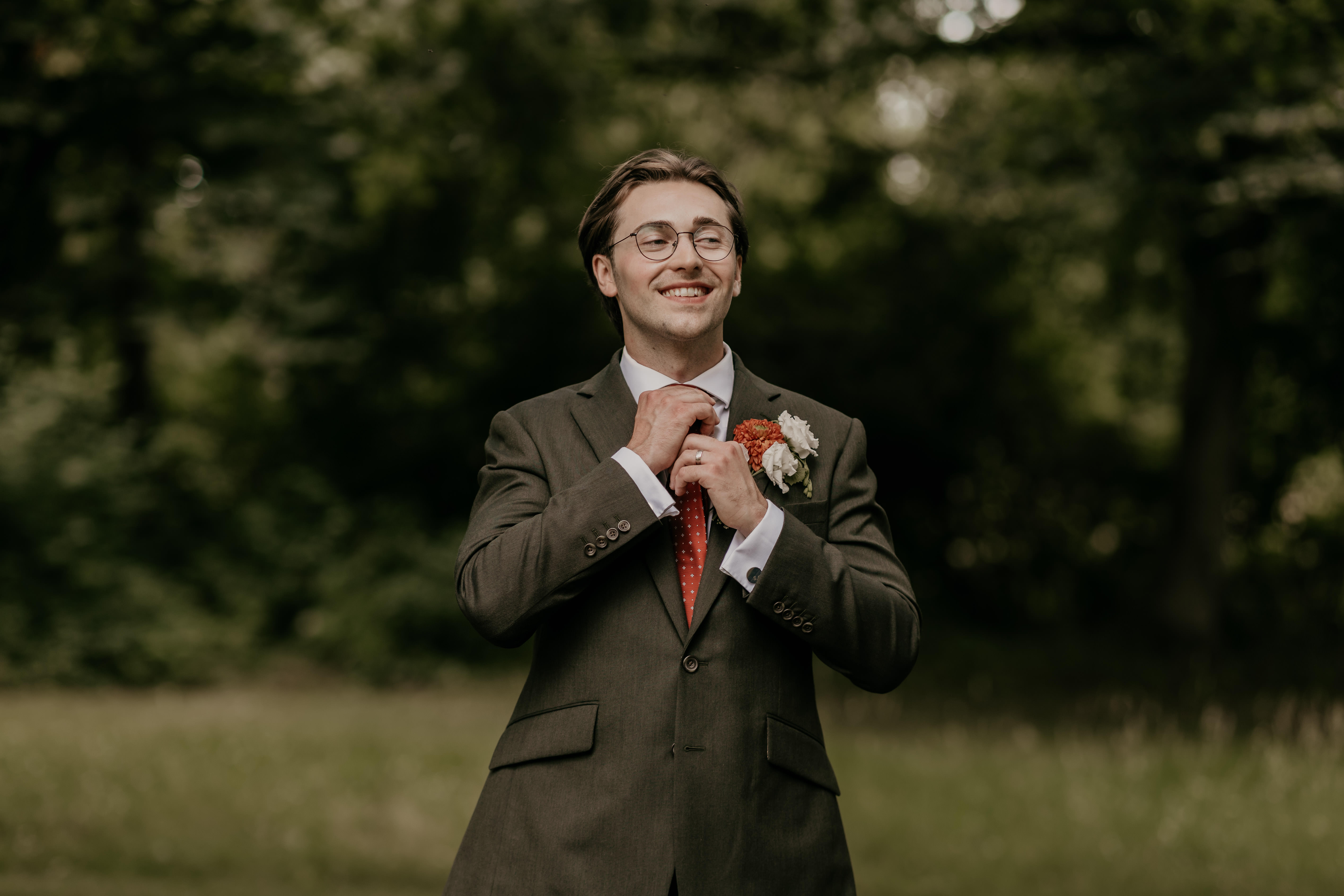
Confidence in a suit’s fit is often the result of small technical details working together, which may seem subtle but have a powerful impact on the overall silhouette.
Jacket length: A jacket that is too short can throw off the proportions of the body by making the torso look longer and the seat (area of the trousers that covers the buttocks and hips) insufficiently covered, while one that is too long can make the silhouette look heavy and less refined.
Sleeve length: The ideal sleeve length should show a small portion of the shirt cuff, establishing a distinct break between the jacket sleeve and the shirt.
Lapel width: Balanced lapels complement the wearer’s frame and maintain harmony across the chest and shoulders.
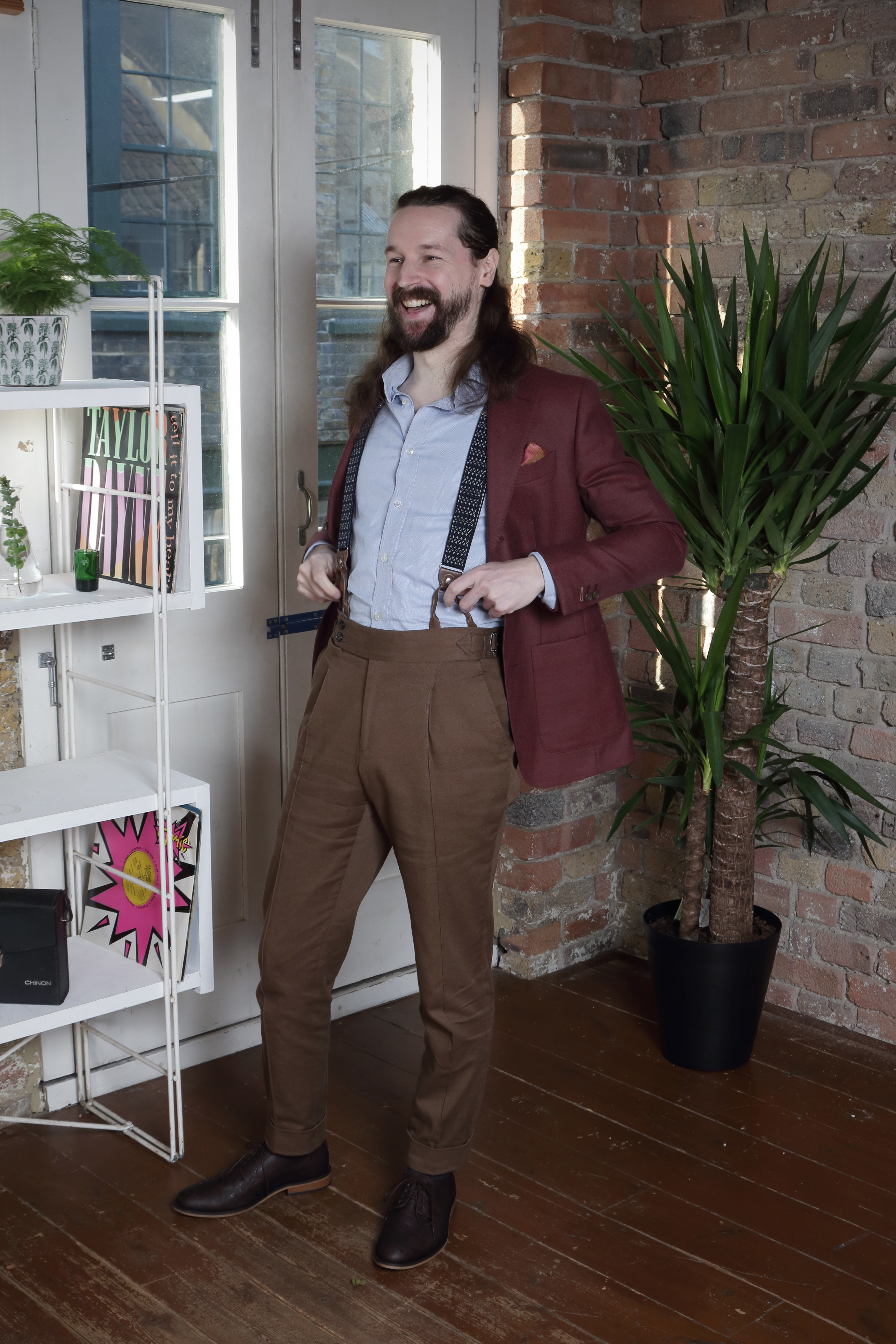
Trouser rise: Higher-rise trousers lengthen the appearance of the legs while shortening the appearance of the torso. Similarly, the position of the jacket’s buttons subtly influences the visual length of the torso.
Waist shape: Some people prefer more shape through the body of the jacket, while others opt for a straighter fit. The key is making that choice intentionally so the overall silhouette feels balanced, comfortable and true to your style.
Shoulder construction: Clean shoulder lines help the jacket sit evenly across the frame, supporting the structure of the garment while allowing the fabric to drape smoothly.
Precision Adjustments for a Perfect Fit
Tailoring is not just about achieving a technical fit, but also allowing garments to be refined to suit individual style preferences.
For Those Wanting More Definition: Some wearers prefer a silhouette that offers slightly more contour. In these cases, gentle waist suppression can introduce subtle shaping through the use of darts and seams. A slightly higher trouser rise can further create a clean vertical flow through the silhouette, while structured, mid-weight fabrics maintain the form of the jacket.
For Those Preferring a Straighter Silhouette: Others may prefer a straight-lined appearance, and this can be achieved by reducing waist suppression and allowing the jacket to fall more evenly from chest to hem. A slightly longer jacket length and straight trouser leg create an uninterrupted line; this can be supported with garments such as mid-rise trousers.
For Fuller Midsections: For individuals with fuller midsections, higher-rise trousers allow the waistband to sit comfortably while encouraging a smoother drape through the torso. Light chest padding in the jacket supports the fabric, so it falls effortlessly rather than pulling. In addition, a moderate lapel width and a non-pleated trouser front creates structure without compression.
For Broader Shoulders: Those with broader shoulders can benefit from wider lapels and minimal shoulder padding, which can help distribute visual weight evenly across the upper body. Both proportionate jacket length and subtle waist shaping, maintain equal space between the upper and lower halves of the body, and therefore prevent the suit from appearing top-heavy.
For Narrow Frames: Narrower frames may want to build volume in the shoulder for gentle definition, using textured fabrics such as flannel or hopsack to add visual weight. Additionally, Double-breasted jackets and fuller trousers can contribute to this consistency.
For Shorter Frames: For shorter frames, proportion becomes particularly important. A slightly higher button positioning can visually elongate the torso, Minimal trouser break and controlled lapel width further support vertical continuity, encouraging a streamlined appearance while carefully adjusted jacket length helps maintain balance. .
For Taller Frames: Taller individuals often benefit from garments that maintain symmetry across their height. Longer jacket lengths, for example, help prevent an undersized appearance. Balanced lapel widths and a fuller trouser break can continue a visual proportion across the silhouette.
For More Fluid or Androgynous Lines: A silhouette that emphasises fluidity rather than contour may be preferred, and therefore a softer shoulder construction, reduced waist suppression, and straight-leg trousers create a more continuous line. Extended jacket length and minimal padding retain focus on the shape of the garment rather than structural definition.
Fabric Matters as Much as Fit
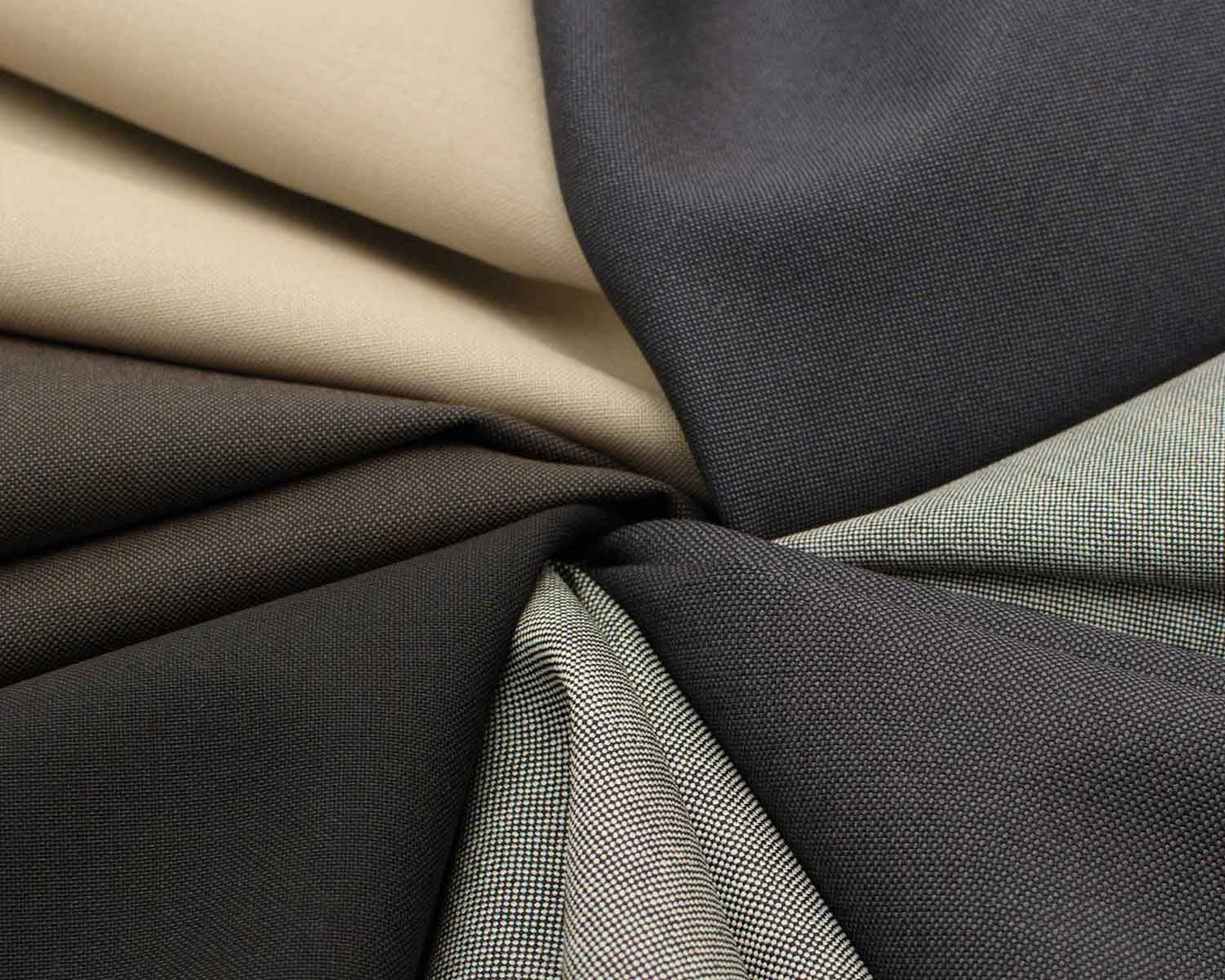
Fabric choice is equally as important as tailoring, and the structure and behaviour of cloth influence how a garment drapes and feels to wear.
-
Mid-weight wool fabrics are versatile in offering enough structure to smooth the silhouette, while remaining comfortable.
-
Heavier cloths also drape beautifully, and maintain clean lines in trousers and jackets.
-
In warmer weather, very lightweight fabrics are comfortable but can reveal tension from garment strain, therefore it's advisable to choose a cloth with the right balance of flexibility and structure.
-
Stretch blends are great for both comfort and movement, but they should still have enough resilience to hold the shape of the garment.
-
Fabrics with a matte finish have a softer appearance compared with the luster of a super fine wool, which reflects more light.
-
A vertical weave direction encourages the perception of length, creating a visual line, while horizontal weaves emphasise breadth.
At King & Allen we have over 3,000 fabrics available. While exploring fabrics in person is always recommended, you can also explore options through the Find Your Fabric page and order up to five complimentary fabric samples.
Practical Confidence Reminders
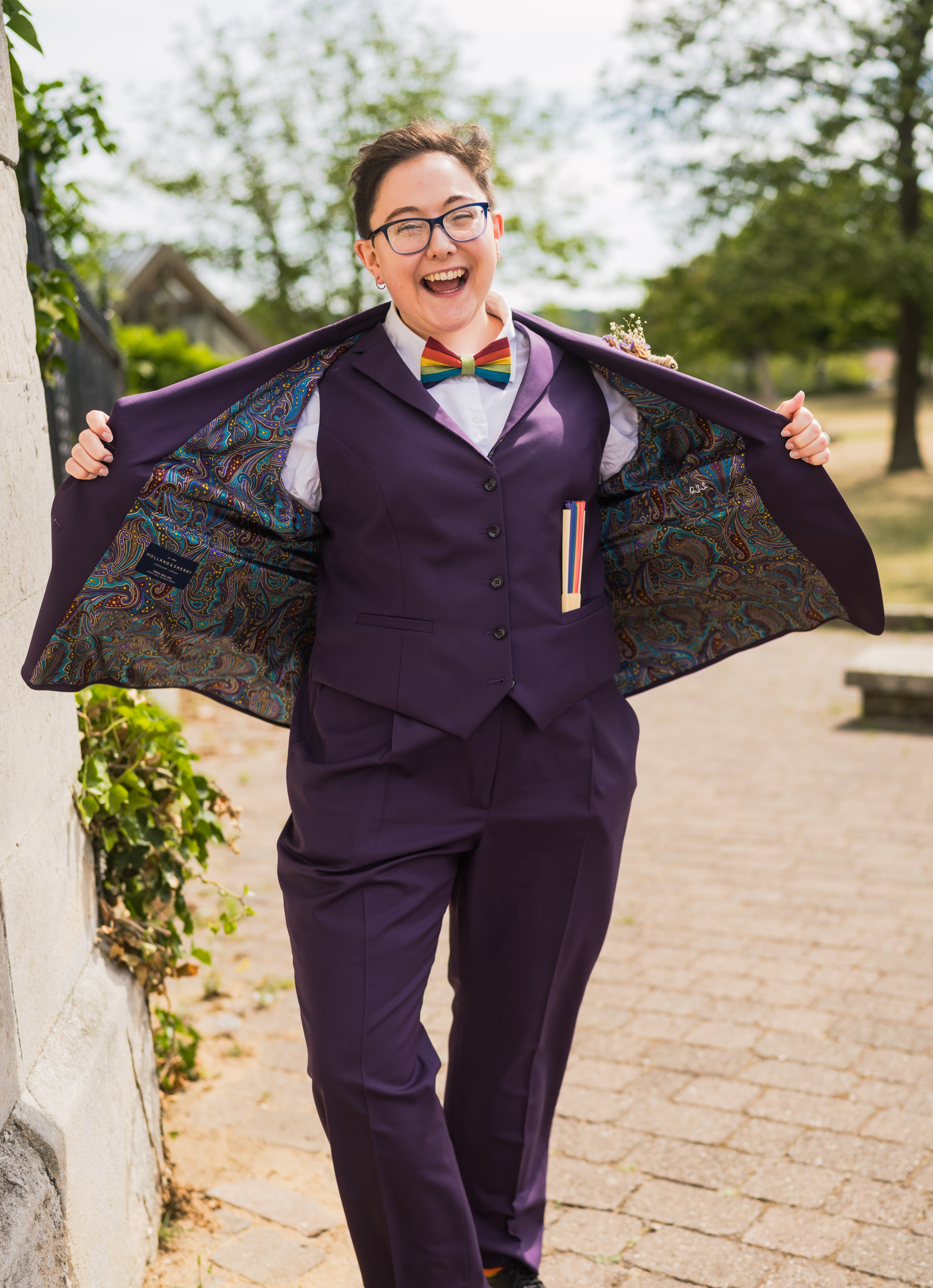
Ultimately, confidence in the fit of your suit is a combination of your own personal style, as well as comfort and accuracy in your proportions. You should ideally invest in garments that support this confidence. Choose colours that feel natural to wear, and prioritise ease of movement, allowing your posture to remain relaxed. Both structure and comfort should always complement one another, and a well-tailored suit should support your posture without restricting movement.
Book Your Bespoke Consultation Today and Begin Your Tailoring Journey with King & Allen.
You might like...
-
 The King & Allen guide to dressing for a job interviewTips & Advice
The King & Allen guide to dressing for a job interview