Tips & Advice
10 Tailoring Terms You’ll Hear in Every Showroom

If you're new to tailoring, stepping into a showroom can sometimes feel like learning a new language, and there are plenty of terms you may hear during the process of choosing and fitting a suit.
The good news is that you don't need to know all the terminology before booking a consultation. Your tailor will guide you through the choices and explain anything you're unsure about, but understanding some of the basics can make the experience feel more familiar.
In this guide, we'll explain ten common tailoring terms you'll hear in a showroom, what they mean and how they can affect the look and feel of your suit...
1. Canvassing
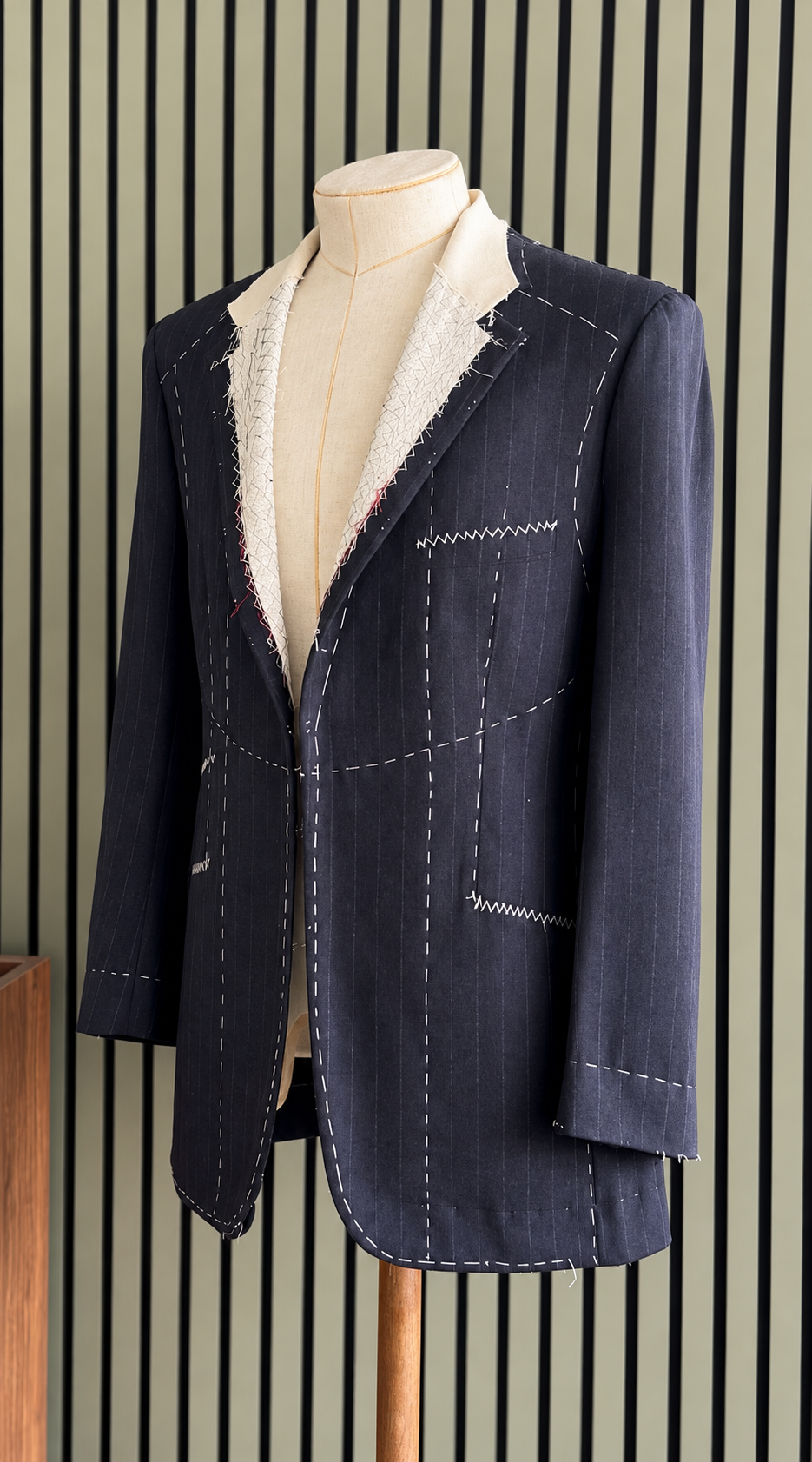
“This jacket has a full canvas”
The ‘Canvas’ is one of the layers inside a tailored jacket. It sits between the outer cloth and the lining and helps give the jacket its structure and shape - more canvassing generally means more shape. When you hear a tailor talk about the types of canvas, they're referring to how much of the jacket it covers. There are two main approaches you may hear about: full canvas and half canvas.
Full canvas
Runs throughout the jacket. This allows the jacket to develop a natural drape and shape as it is worn.
Half canvas
Think of canvassing as what is happening inside your jacket. It isn't something you necessarily see from the outside, but it contributes to the way the jacket sits and holds its shape.
2. Cloth Weight
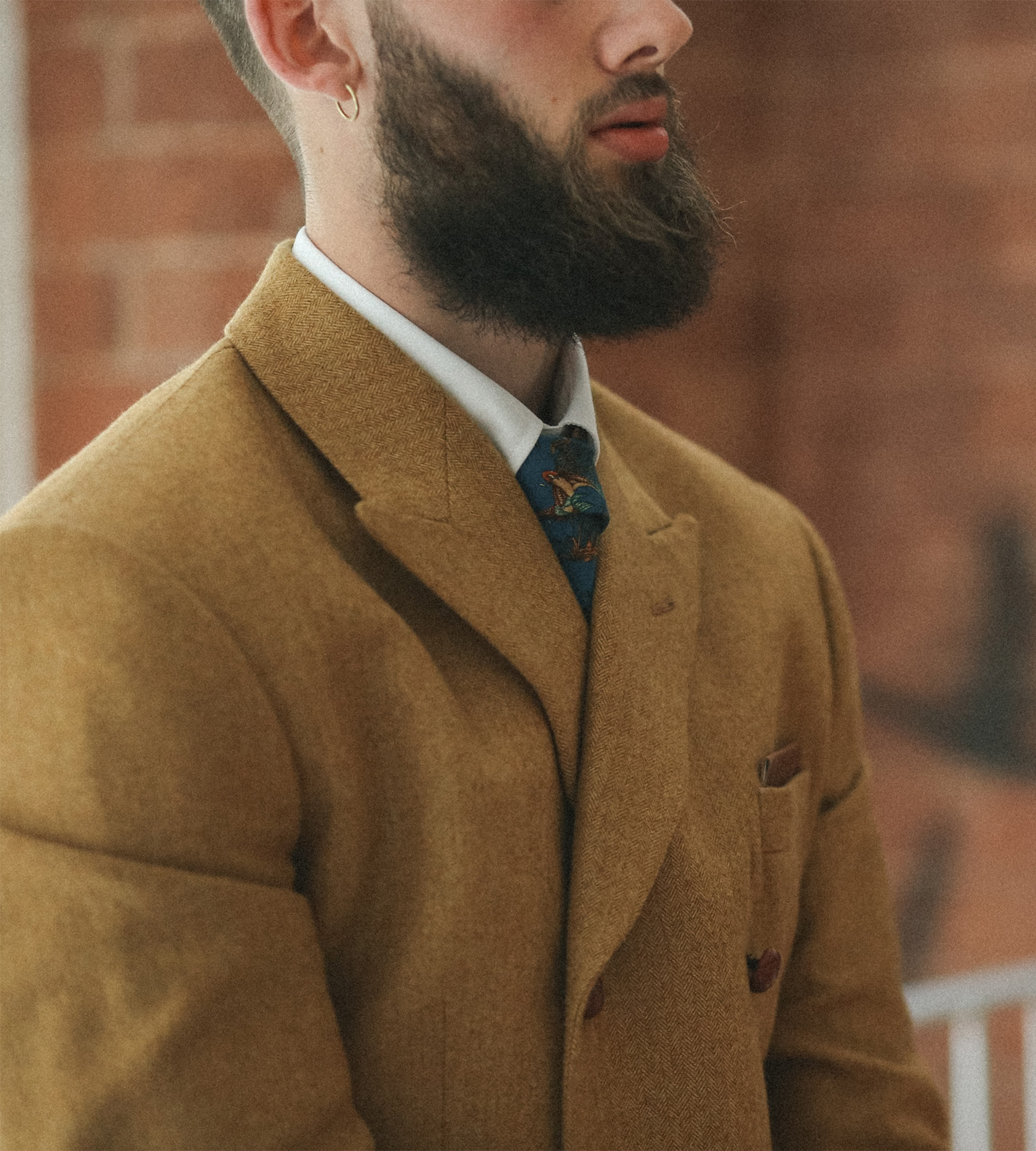
“This is a mid-weight cloth”
Cloth weight simply refers to how heavy the fabric is, and is usually measured in ounces or grams. The weight of a cloth can affect how a suit feels, moves and hangs, as well as how suitable it is for different temperatures and occasions.
Lightweight cloths
Lightweight cloths (7–9oz) are generally suited to warmer weather. They tend to feel comfortable and breathable and can be a good choice for travel and summer events. They can, however, wrinkle more easily and often have a softer drape.
Examples include Holland & Sherry Crispaire and Cape Horn Lightweight.
Midweight cloths
Midweight cloths (9–11oz) are a versatile choice and are particularly well suited to year-round wear in the UK. They offer a balance between comfort and durability, making them popular for business and occasion suits.
Examples include Holland & Sherry City of London and Dormeuil Millennial.
Heavyweight cloths
Heavyweight cloths (12oz+) offer more structure and a cleaner drape. They are particularly suited to autumn and winter tailoring and tend to be durable and resistant to creasing.
Examples include Classic Worsted Flannel by Huddersfield Fine Worsteds and Holland & Sherry flannel.
It's worth remembering that cloth weight doesn't solely determine how warm a fabric feels; the weave also plays an important role.
3. Weave
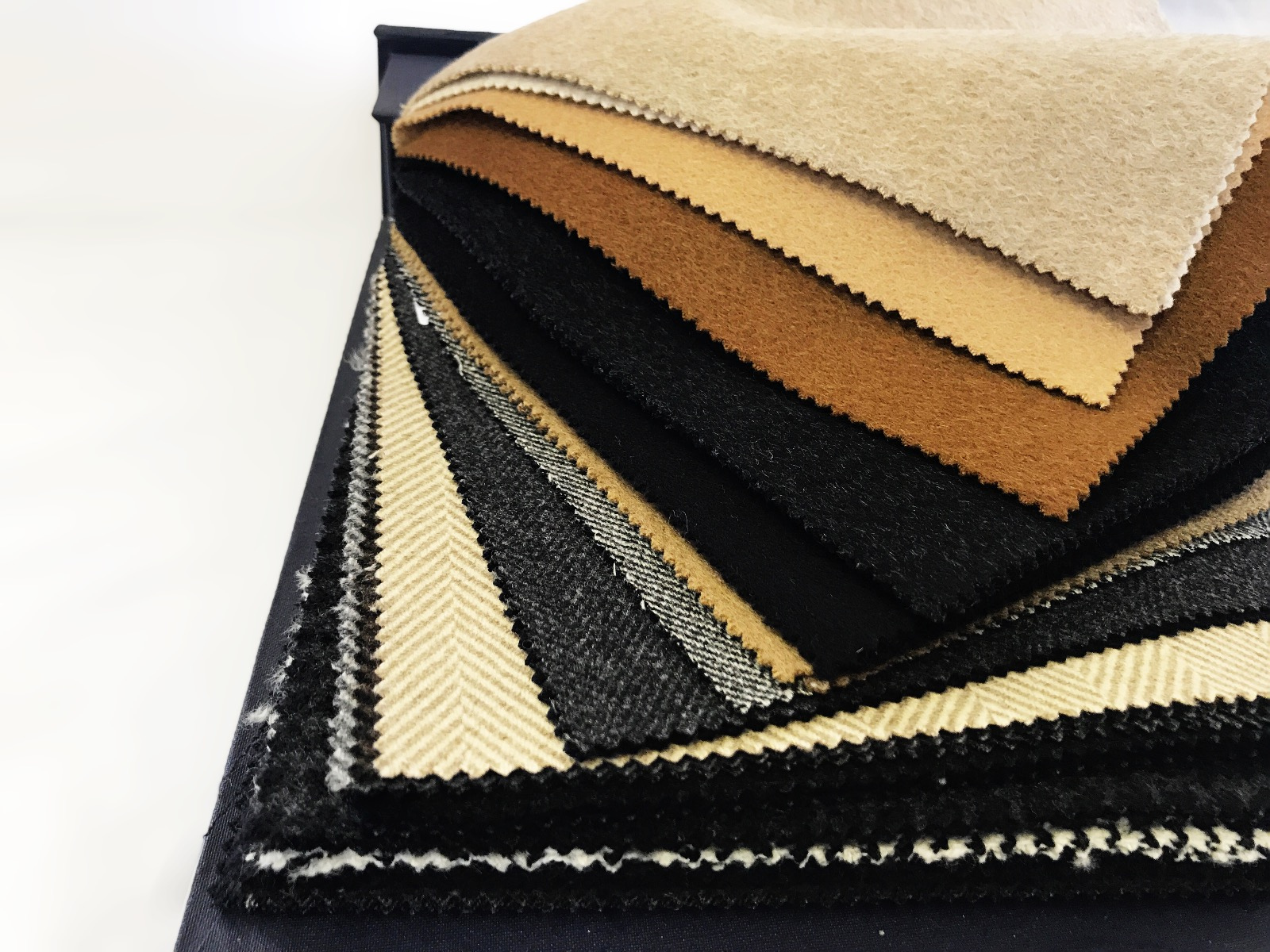
“An open weave would make this fabric more breathable”
A fabric's weave describes how its individual threads are interlaced to create the cloth. The weave can affect how a fabric looks and feels, including its breathability and texture. Different weaves can therefore be suited to different types of tailoring and different climates.
Open weave
An open weave has more space between the threads, allowing more airflow through the fabric.
Tight weave
A tight weave has threads packed more closely together, creating a denser fabric.
Plain weave
A plain weave is a simple construction where the threads pass over and under each other in a regular pattern.
Twill weave
A twill weave creates a subtle diagonal pattern, giving the fabric a distinctive texture.
The key point is that weave is one of the reasons two fabrics with a similar weight can feel very different when worn.
4. Cloth Handle
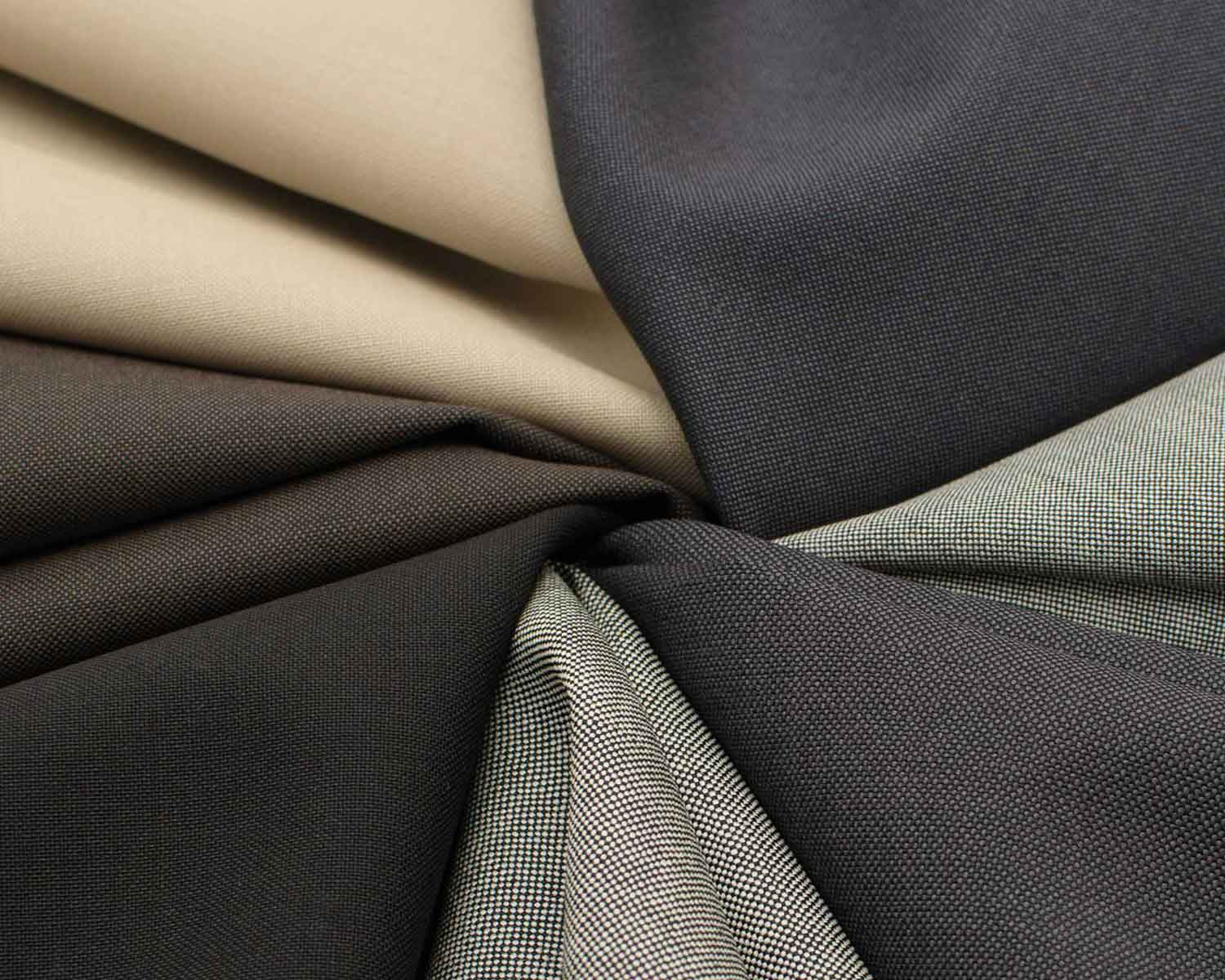
“This cloth has a soft handle”
If a tailor talks about the handle of a cloth, they're describing how the fabric feels when you touch it. The handle can be influenced by the fibre, weave and twist of the yarns, creating fabrics with very different feel.
Crisp handle
A crisp handle feels firm and springy. The cloth tends to hold its shape well and bounce back after movement. Mohair, for example, can have a crisp handle.
Soft handle
A soft handle feels smooth and luxurious, with the fabric naturally draping around the body. Cashmere is an example of a cloth with a soft handle.
Dry handle
A dry handle has a slightly coarse, matte feel. This is often associated with fabrics suited to warmer weather, such as linen.
Smooth handle
A smooth handle feels sleek and has very little texture. Merino wool, particularly in worsted fabrics, can have a smooth handle.
The easiest way to understand the handle is simply to feel the cloth, as two fabrics can have a similar weight and still feel completely different in your hands.
5. Fully, Half, Quarter Lined or Unlined
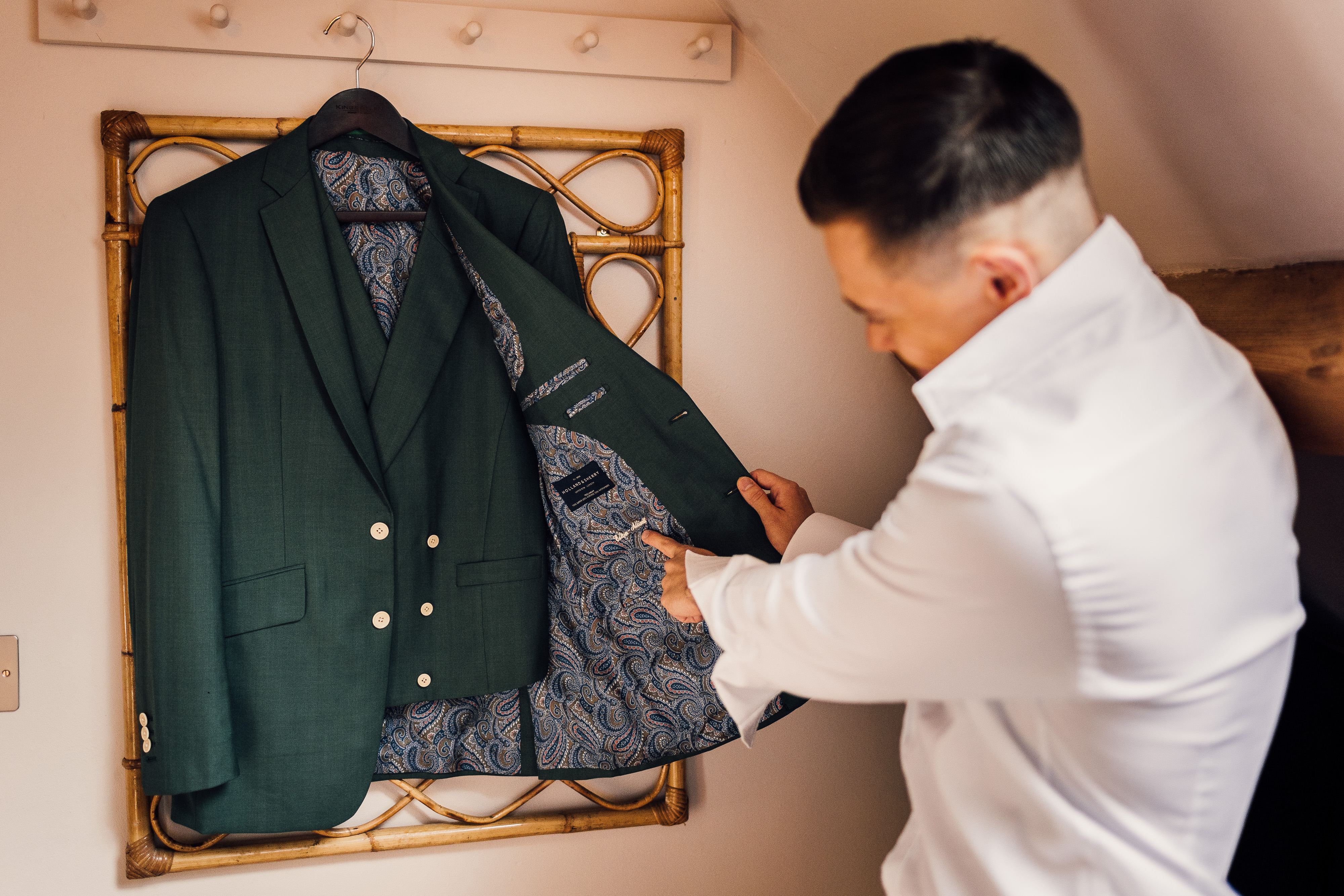
“This is an unlined jacket”
The lining is the layer of fabric sewn inside a jacket, sitting between you and the outer cloth, and helps the jacket move over your shirt or other clothing.
How much lining a jacket has can affect its feel, structure and breathability.
Fully-lined
A fully-lined jacket has lining throughout the interior. This gives the jacket a smooth finish and can help the cloth hold its shape.
Half-lined
A half-lined jacket has lining through areas such as the upper back, shoulders and sleeves, while leaving part of the lower back exposed. This provides a balance between structure and breathability.
Quarter-lined
A quarter-lined jacket uses even less lining, creating a lighter and more relaxed feel.
Unlined
An unlined jacket removes the lining almost entirely. This can be particularly suited for very warm weather, and fabrics such as linen, cotton and open-weave wool.
An important point is that unlined doesn't mean lower quality. Because more of the jacket's internal construction is visible, an unlined jacket can actually require a high level of precision and finishing.
6. Baste
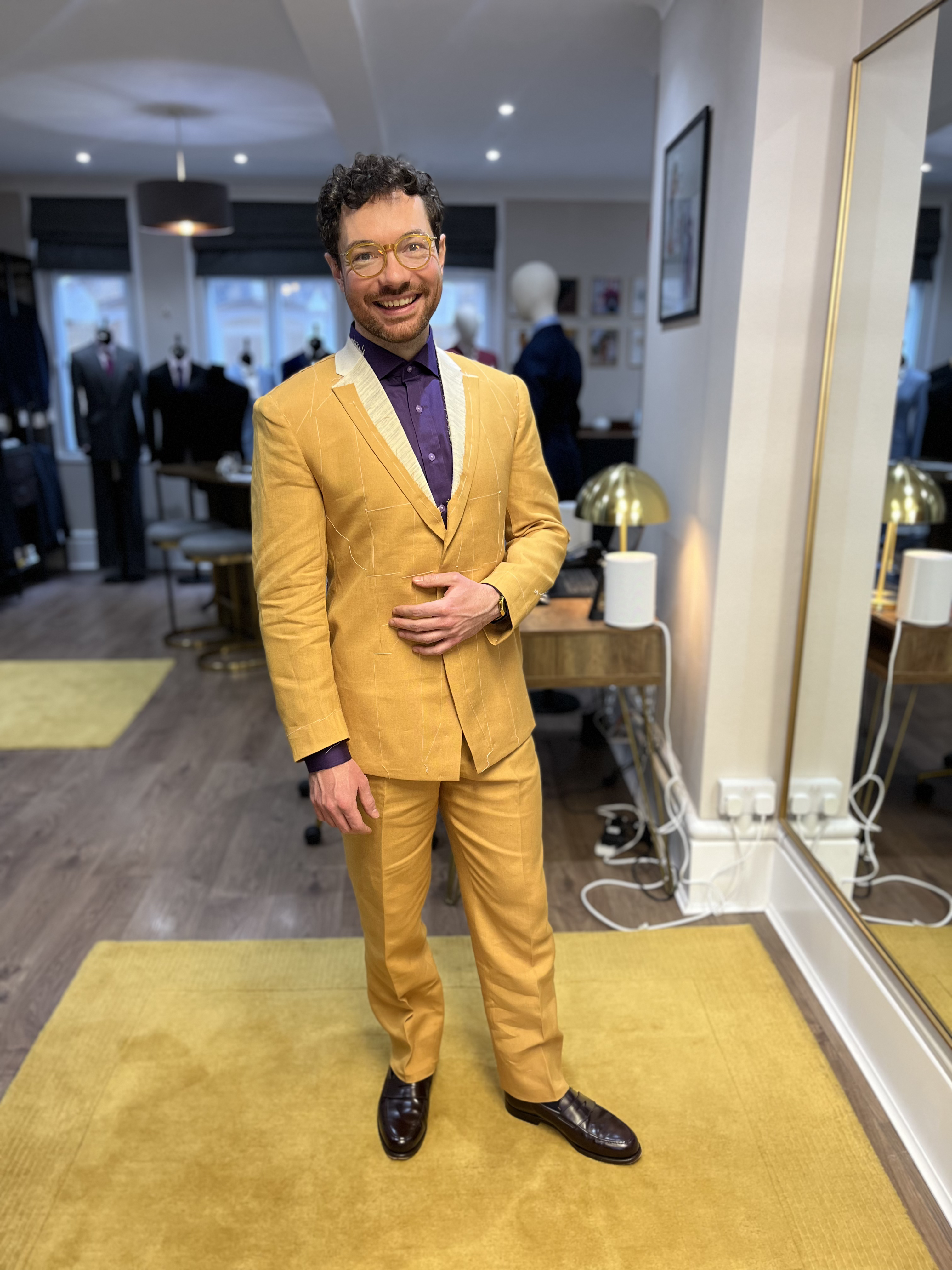
“We'll book you in for a baste fitting”
A baste is an early version of a suit created before the garment is properly stitched. Once the individual pattern has been created and the cloth has been cut, the pieces can be temporarily joined using loose stitches called baste stitching. This creates an opportunity for the tailor to assess how the garment fits on your body and make refinements before the final construction.
During a baste fitting, your tailor can assess areas such as the shoulders, chest, waist, sleeve length, jacket balance and trousers. The temporary stitching is important because it can be removed and adjusted more easily than permanent stitching, so the tailor can therefore refine the fit while working with the actual cloth before its final form.
Once the fit has been perfected, the temporary stitches are removed and replaced with permanent stitching.
7. Silhouette
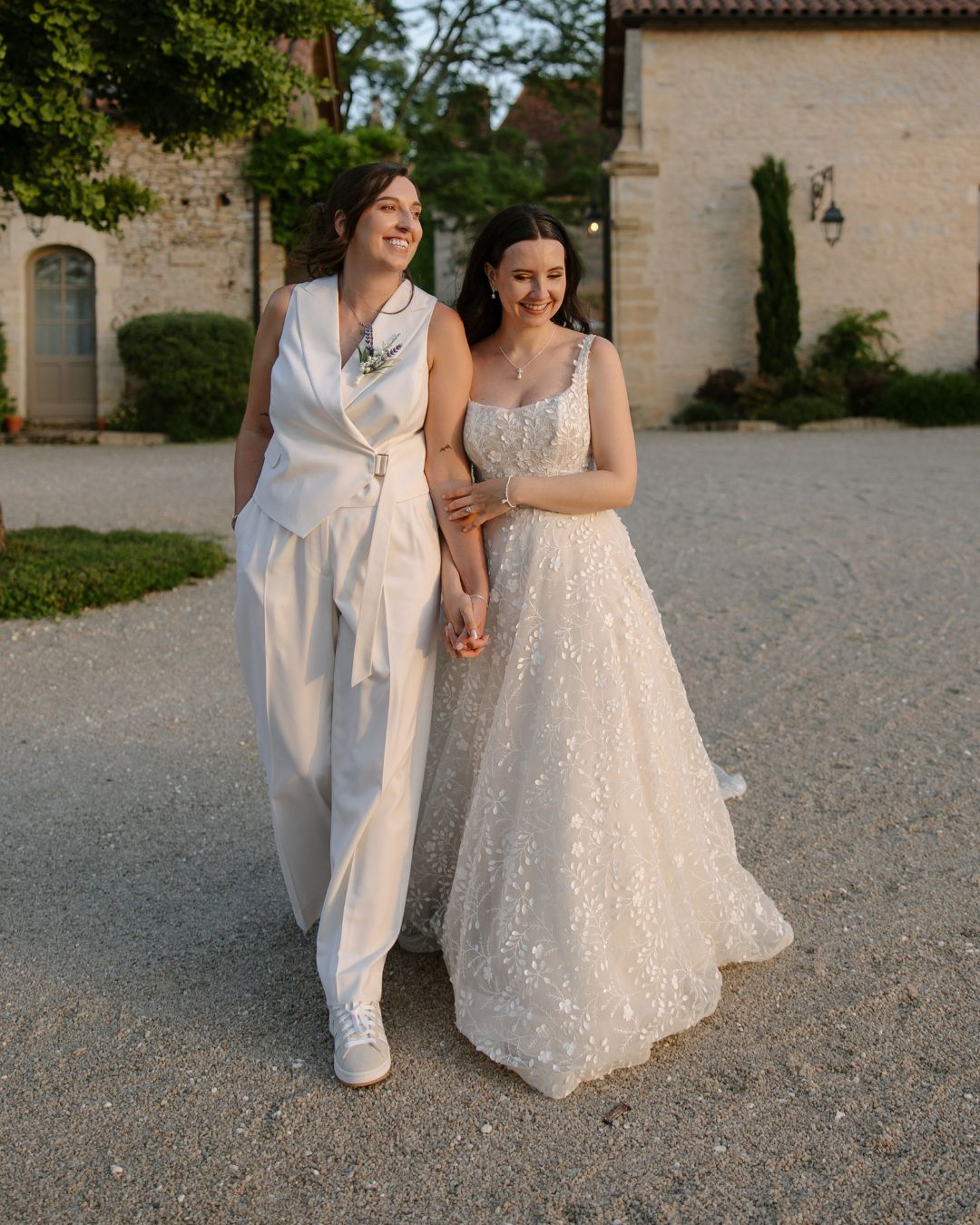
“This suit has a relaxed silhouette”
A suit's silhouette is the overall shape and outline it creates when you're wearing it. The silhouette is influenced by how the suit has been cut, including the shoulders, waist, trouser leg and overall length.
Slim
A slim silhouette has a closer cut through the chest, waist and legs, creating a more fitted appearance.
Tailored
A tailored silhouette follows the shape of the body without feeling restrictive.
Classic
A classic silhouette provides more room through the chest, waist and trousers.
Relaxed
A relaxed silhouette uses a looser cut for increased comfort.
Oversized
An oversized silhouette deliberately exaggerates proportions for a casual, fashion-forward feel.
8. Darting
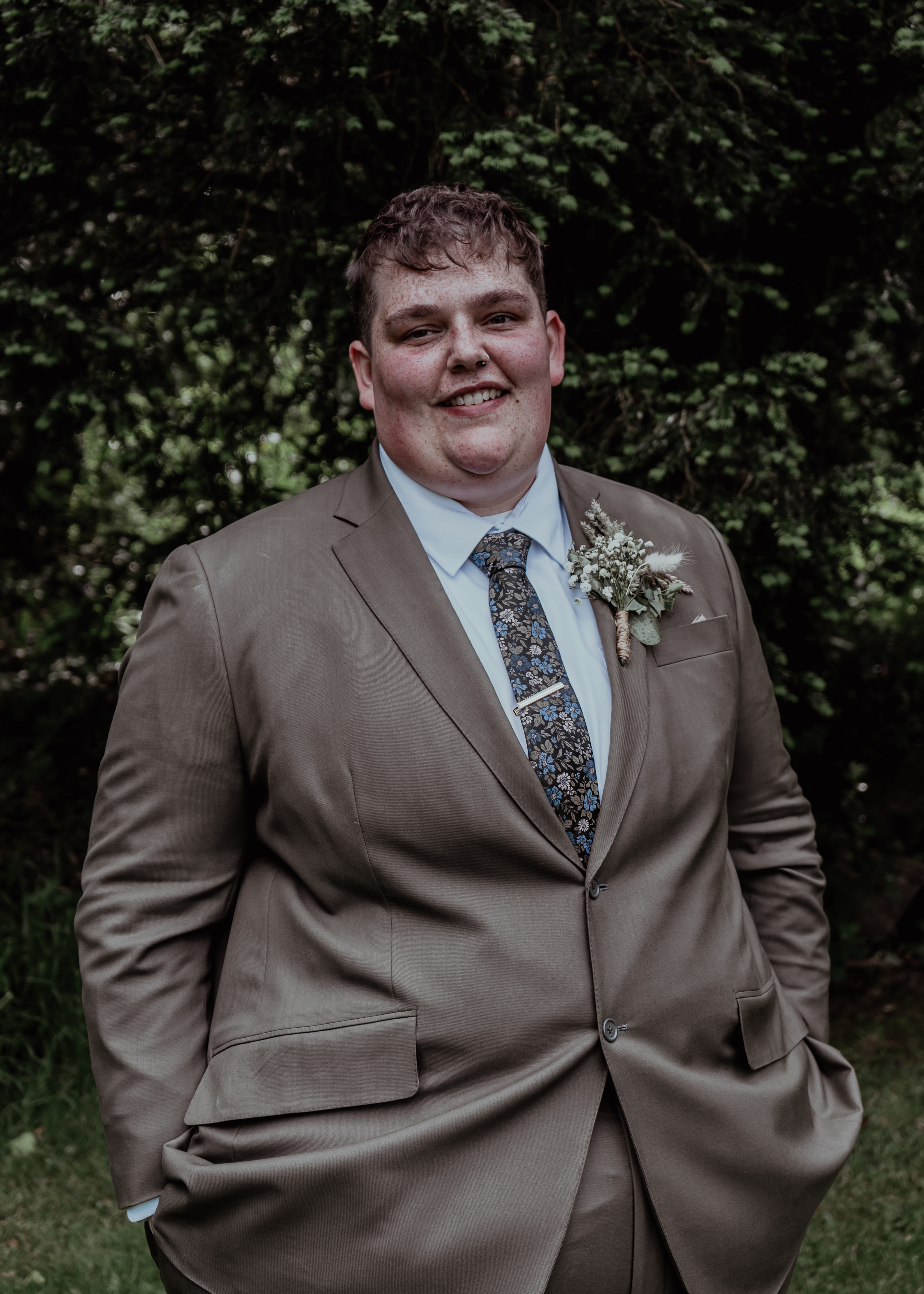
“We'll add four darts to the front of the jacket”
Darts are small folds of fabric that are stitched into a garment to remove excess material and create a more shaped fit. Rather than allowing the jacket to hang straight from the shoulders, darts help it follow the natural curves of the body. They're usually found on the front panels of a jacket and can run from the chest area towards the waist.
Darts can usually be adjusted during the fitting process, allowing your tailor to refine the shape of the jacket to suit your body. Once a suit is finished, darts can still be altered in some circumstances, although this can be limited by the construction of the jacket and the amount of fabric available.
9. Trouser Break
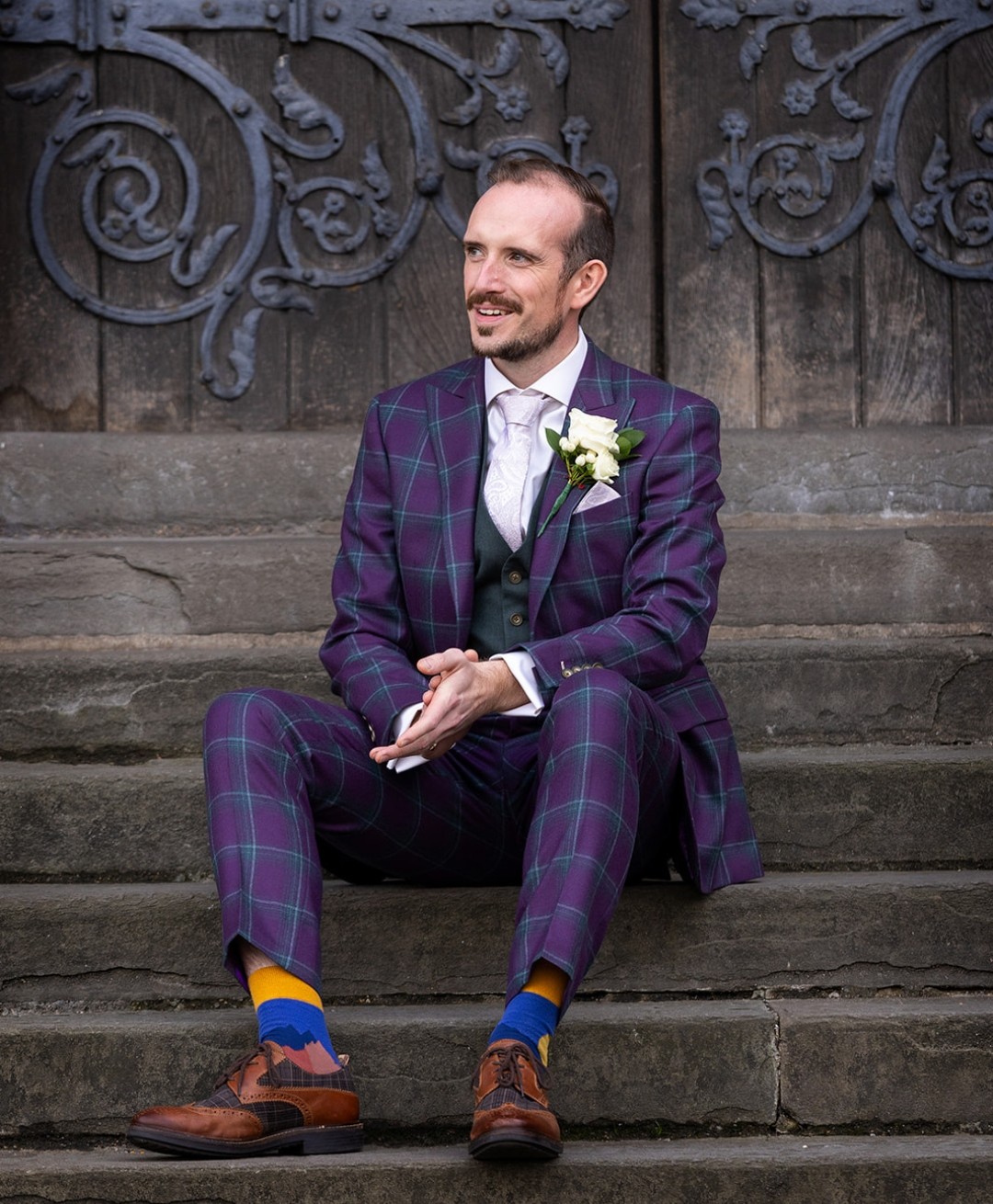
“A half-break would be great for a slimmer cut”
Trouser break refers to the amount of fabric that folds where the bottom of the trouser leg meets your shoe. The amount of break affects the appearance of the trousers and therefore the overall look of the suit. It is influenced by the trouser length, the shape of the leg and the shoes you're wearing.
There isn't one correct amount of break, and different choices create different looks.
No break
No break means there is little or no fold of fabric, with the hem sitting just above or lightly touching the shoe, popular with slim and contemporary tailoring.
Quarter break
A quarter break creates a small amount of fabric resting on the shoe, producing a subtle fold, popular with slim and modern tailoring.
Half break
A half break creates a more noticeable fold of fabric over the shoe, popular with classic and tailored silhouettes.
Full break
A full break creates a deeper fold, with more of the trouser hem resting over the shoe, popular with classic, traditional and relaxed tailoring.
10. Notch, Peak and Shawl Lapels
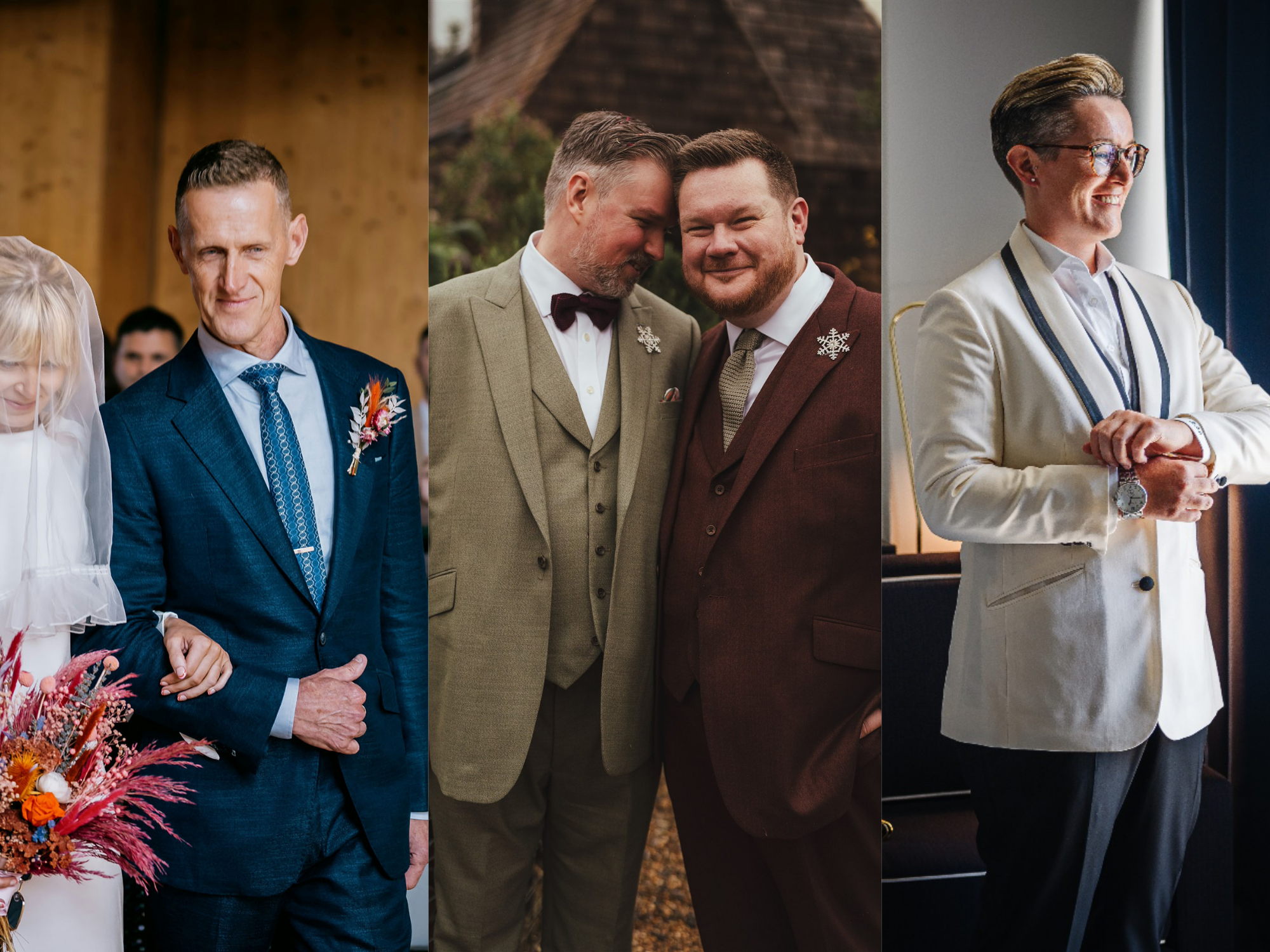
“The notch lapel is a classic choice”
Lapels are the folded sections of fabric that run down the front of a jacket, sitting on either side of the chest. The style and width of the lapel can change the overall appearance and proportions of a jacket.
There are three main lapel styles you'll commonly come across:
Notch lapel
A notch lapel is the most common and versatile option. It has a small V-shaped indentation where the lapel meets the collar and is a classic choice for many types of suits.
Peak lapel
A peak lapel has edges that point upwards towards the shoulders, creating a sharper and more dramatic appearance.
Shawl lapel
A shawl lapel has a smooth, rounded edge without a notch or peak. It is most commonly associated with evening wear and black-tie tailoring.
We'll guide you...
Tailoring terminology can sound complicated when you're hearing it for the first time, but you don't need to become an expert before visiting a tailor. Understanding terms simply gives you a better idea of what your tailor is talking about, and how different choices can affect your finished suit.
At King & Allen, our consultants will guide you through every decision, from the cloth and construction to the finer details of the fit. You can ask questions, explore different options and make choices based on what feels right for you.
You might like...
-
 The King & Allen guide to dressing for a job interviewTips & Advice
The King & Allen guide to dressing for a job interview