Article
What Makes a Vegan Suit? Every Element Explained

When you think of a vegan suit, the first thing that probably comes to mind is the fabric. After all, wool is one of the most common materials used in traditional suiting, so replacing it with an animal-free alternative seems like the obvious place to start.
However, there's much more to a suit than the fabric you see on the outside. From the canvas that gives a jacket its structure to the buttons, lining, and even the thread stitching everything together, traditional tailoring can contain animal-derived materials in places you might never expect. This means creating a genuinely vegan suit requires careful consideration of every component, including those hidden beneath the surface.
At King & Allen, we've spent years developing our vegan tailoring options, finding alternatives that allow us to maintain the quality of traditional suitmaking without using animal products. You also don't have to get a fully vegan suit to enjoy the benefits of these materials. Animal-free options, such as bamboo fabrics and corozo nut buttons, work well in any suit and can be paired with traditional materials.
The Outer Cloth
The outer cloth is the most visible part of any suit and one of the biggest decisions you'll make when choosing your garment. Wool has long been a traditional choice for suiting thanks to its durability and ability to hold its shape, but animal-free alternatives offer plenty of choice in texture, finish and feel. Fabrics such as bamboo-derived cloth have become popular with clients for their softness and drape, regardless of whether they follow a vegan lifestyle.
Cotton
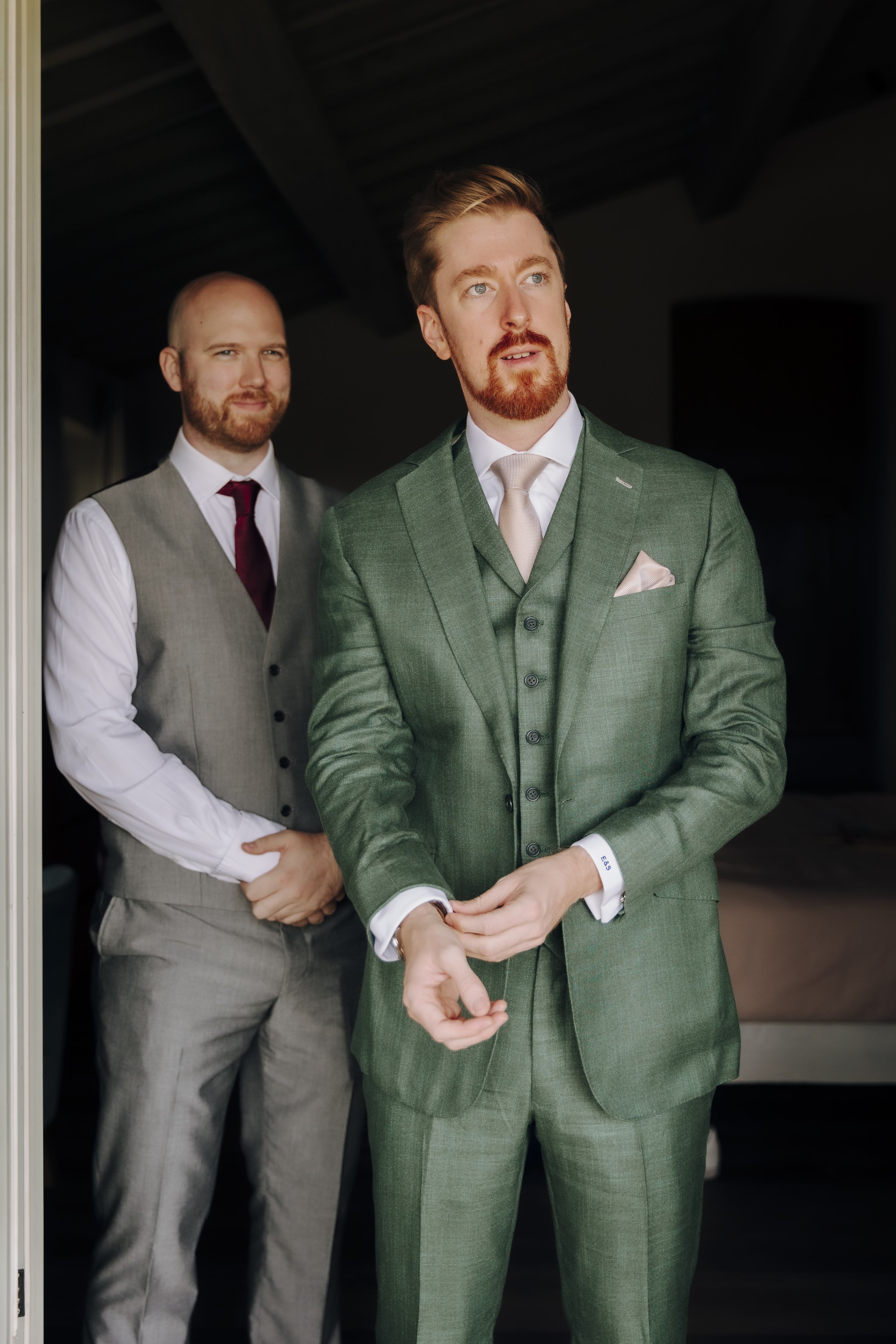
Cotton is a natural plant fibre and one of the most familiar alternatives to traditional wool suiting. It's breathable, comfortable and generally has a slightly more relaxed appearance than wool. Depending on the weave and weight, cotton can be used to create everything from lightweight summer suits to more weighted jackets and trousers.
Its breathable nature makes it particularly well suited to warmer weather, while its versatility means it can be dressed up or down depending on the occasion. Although cotton also tends to crease more readily than wool, this can contribute to its relaxed appearance.
Bamboo
Bamboo-derived fabrics have become increasingly popular as an alternative to conventional suiting materials, particularly for those looking for something soft and comfortable.
The bamboo fabrics used in clothing are often produced by processing bamboo cellulose into regenerated fibres, creating a fabric with an incredibly soft handle. Bamboo cloth offers great breathability, moisture management and a great drape.
Corduroy
Corduroy is a wonderful example of how vegan tailoring doesn't have to imitate traditional wool suiting. Usually made from cotton, corduroy is instantly recognisable by its raised parallel ridges, known as wales, which give the fabric its distinctive texture.
Traditionally associated with more casual clothing, corduroy can also make a fantastic choice for a tailored jacket or full suit. Its heavier feel makes it particularly suitable for autumn and winter, while the textured surface adds character without the need for bold colours or patterns.
Linen
Linen is a natural plant fibre that offers an excellent alternative to conventional wool fabrics. Linen is made from the flax plant and is particularly well known for its breathability, strength and lightweight feel. It's a popular choice for summer suits.
Whilst it is known to crease easily, this is what gives linen its unique, relaxed character. It’s ideal for those who prefer a slightly less formal look.
Synthetic Fabrics and Viscose Blends
Alongside natural plant fibres, there are a handful of manufactured materials that can be used to create vegan suits. Synthetic fibres can be blended with cotton or linen to create fabrics that are easier to maintain and more resistant to everyday wear.
Viscose is a type of rayon made from regenerated cellulose, usually sourced from wood pulp or other plant materials. It offers a smooth, soft finish and can have a subtle sheen similar to silk. It's often blended with other fibres to improve strength, durability, or crease resistance.
It's important to remember that vegan doesn't necessarily mean natural. While plant-based materials are often associated with vegan clothing, synthetic fibres are also animal-free and can offer practical advantages.
The Hidden Construction
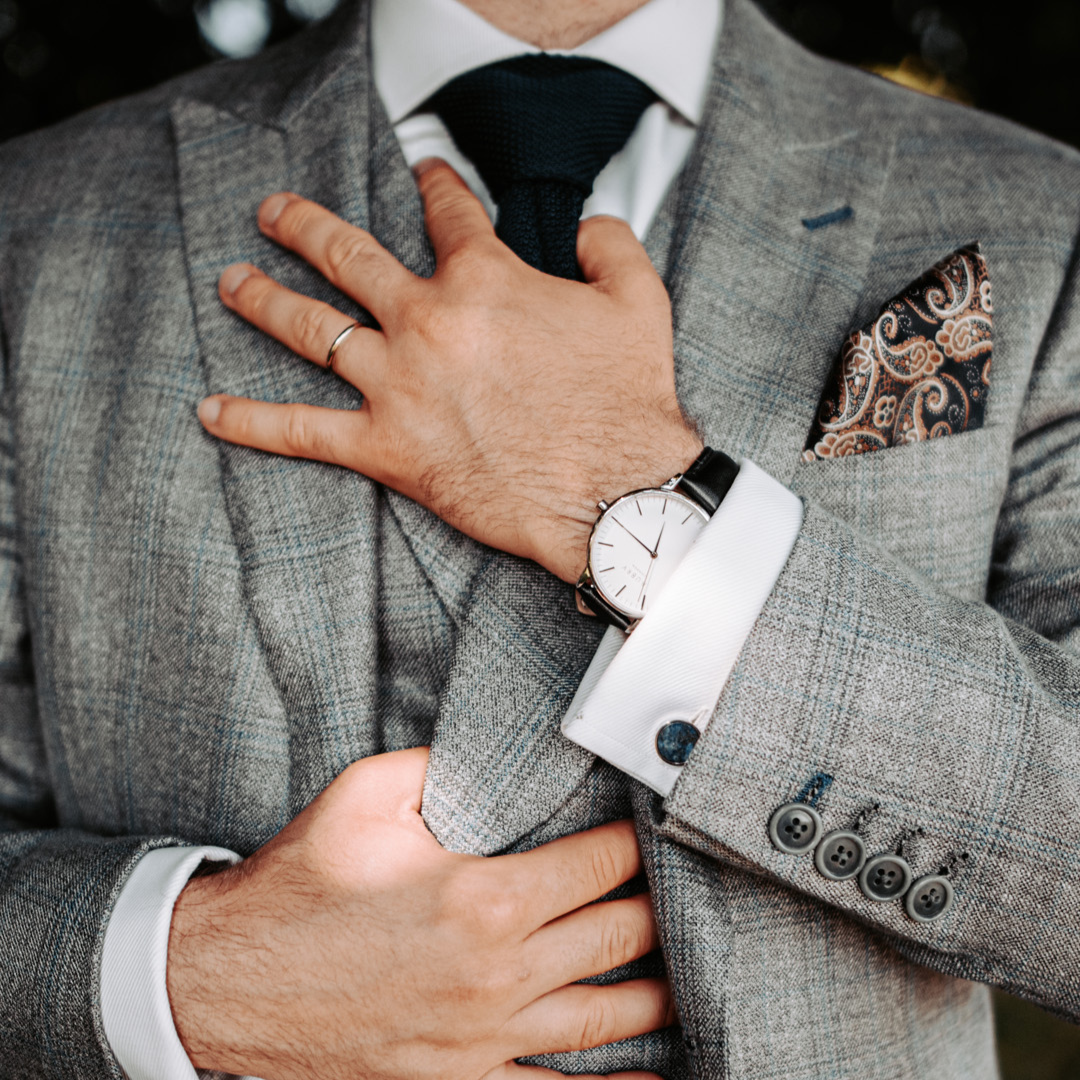
Some of the most significant differences between traditional and vegan tailoring are hidden inside the jacket. These internal components help create its shape, and ensure the garment sits correctly on the body.
The Canvas
Traditional Tailoring: Horse Hair
Vegan Alternative: Synthetic or Linen/Cotton
The canvas is a hidden layer of fabric between the outer cloth and lining that helps the jacket hold its shape and sit naturally on the body. Traditionally, it's made using linen and horsehair, sometimes with wool added for softness and flexibility. For vegan suits, we use a mix of synthetic wool and cotton/ linen.
Another important component is domette, a soft layer of padding that sits between the canvas and outer fabric, helping create a smooth finish. Traditionally, this can contain wool, but we use cotton instead.
Shoulder Pads
Traditional Tailoring: Wool
Vegan Alternative: Nylon
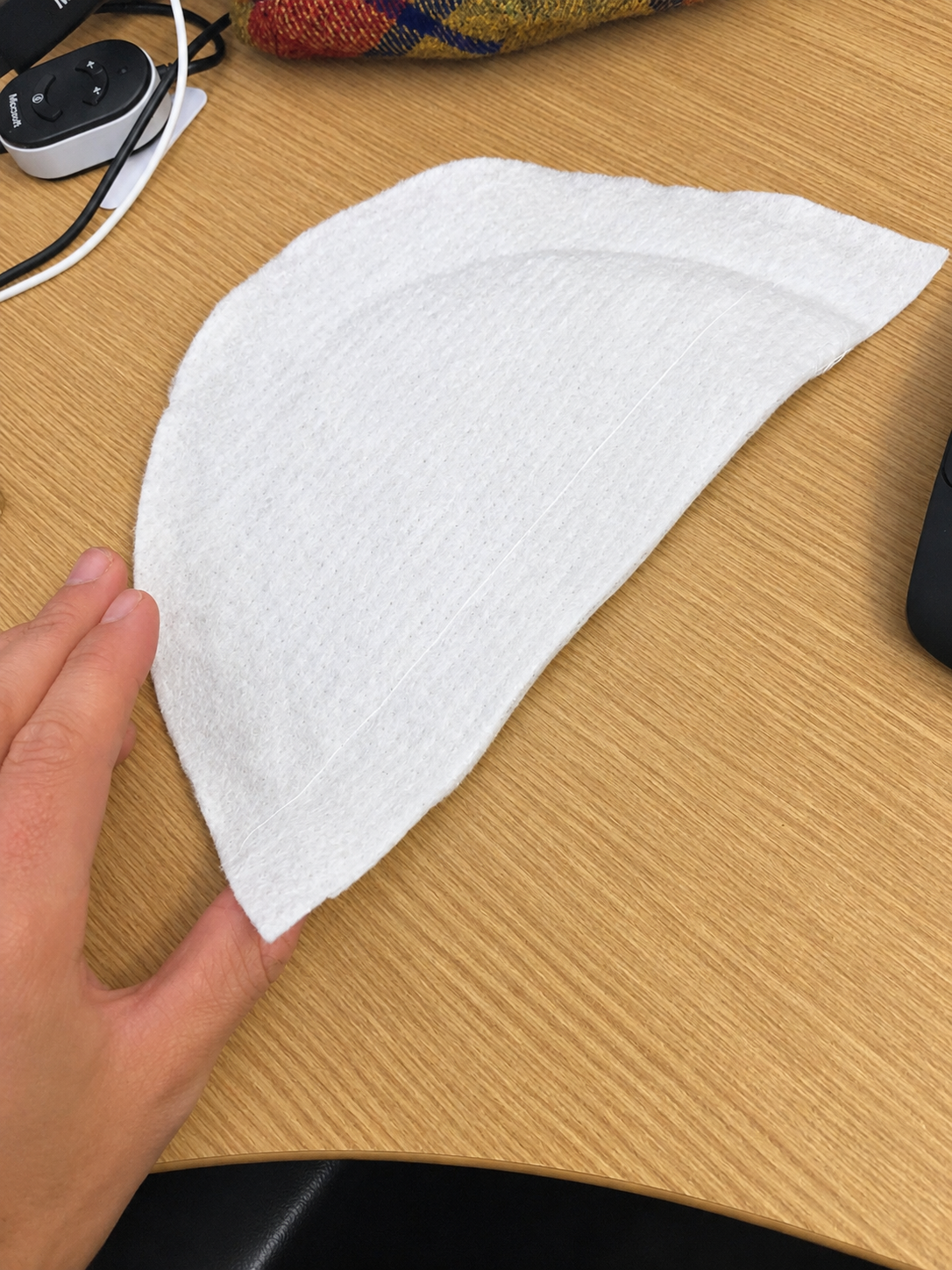
Shoulder pads help balance the shoulders, give the jacket its shape, and control how the fabric sits across the upper body. The amount of padding depends on whether you’re after a softer or sharper look.
Traditional shoulder pads contain wool cushioning and support. For vegan suits, we use synthetic alternatives like nylon, which provides similar thickness and support without animal products. Nylon also absorbs very little moisture, helping the padding maintain its shape over time.
Under-Collar Melton
Traditional Tailoring: Twill
Vegan Alternative: Synthetic Wool or Main Cloth
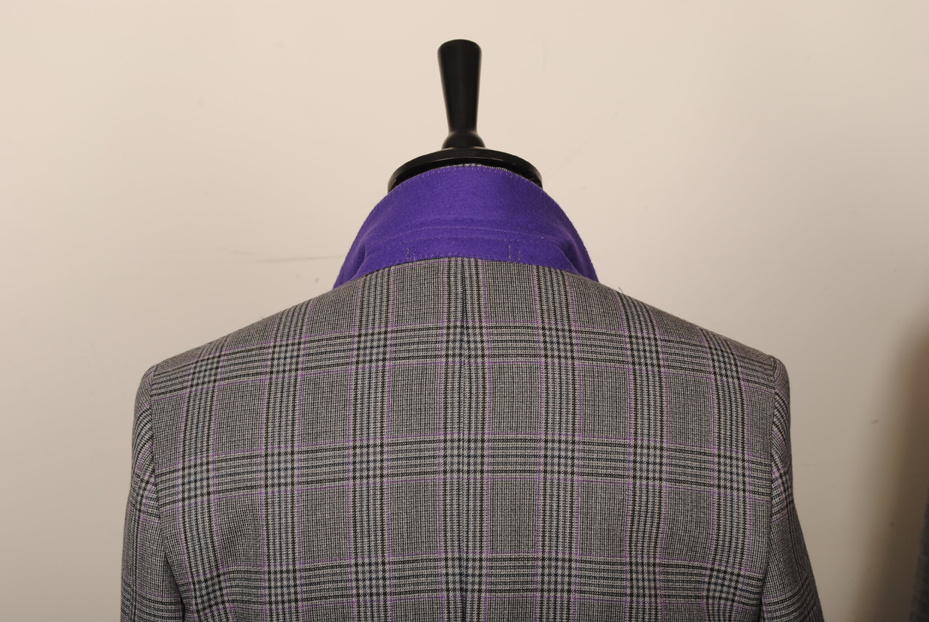
Underneath the jacket collar is a thick fabric called under-collar melton, or collar felt, which helps the collar hold its shape and sit neatly around the neck. Traditionally made from wool, this material can be pressed and shaped during construction.
For vegan suits, we can use synthetic alternatives that provide the same firmness and flexibility. Depending on the design, we can also use the jacket's outer fabric underneath the collar for a coordinated finish.
The Finishing Details
Beyond the fabric and internal structure, smaller details such as buttons, lining, and thread can also contain animal products. Here's how we make sure every element is vegan-friendly.
Buttons
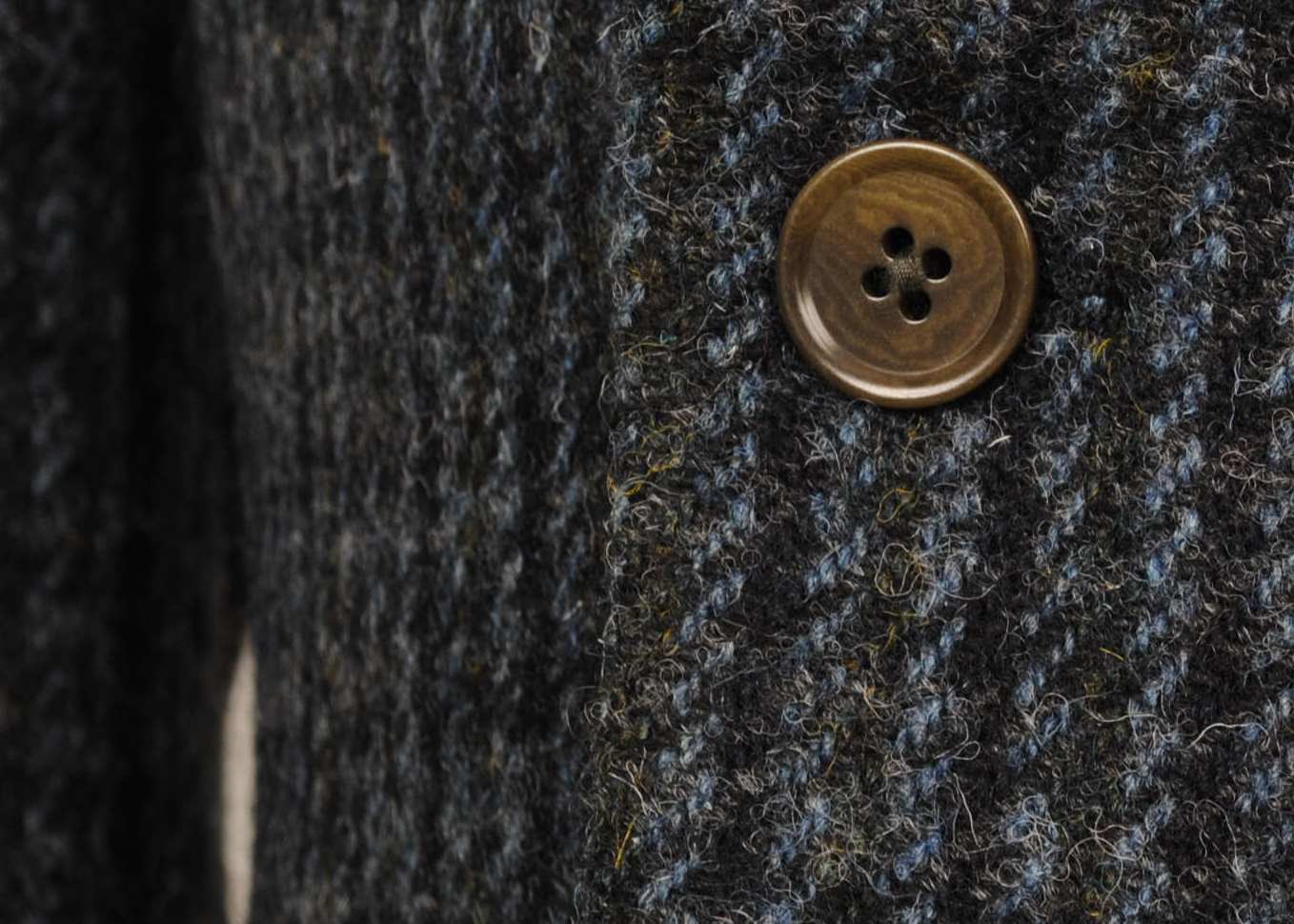
Traditional Tailoring: Animal Horn / Mother of Pearl
Vegan Alternative: Corozo/Resin
Traditional buttons are often made from animal horn or mother-of-pearl, but there are excellent vegan alternatives.
One of our favourites is corozo, a natural material made from hardened tagua palm seeds. Also known as vegetable ivory, it has a distinctive grain, is durable, scratch-resistant, and biodegradable under suitable conditions.
Resin buttons can also convincingly imitate horn or mother-of-pearl, so choosing vegan alternatives doesn't mean compromising on design.
The Lining

Traditional Tailoring: Silk
Vegan Alternative: Viscose/ Cupro
Traditional linings are sometimes made from silk, although plant-based fabrics are already common. For vegan suits, we offer several alternatives:
Viscose: Made from processed plant material, with a soft, smooth finish.
Cupro: A silky fabric usually made from the short cotton fibres left on seeds after processing.
We can also create custom Inkspin linings, giving you the option to add a personal design and photos inside your jacket - all while being completely vegan.
Thread
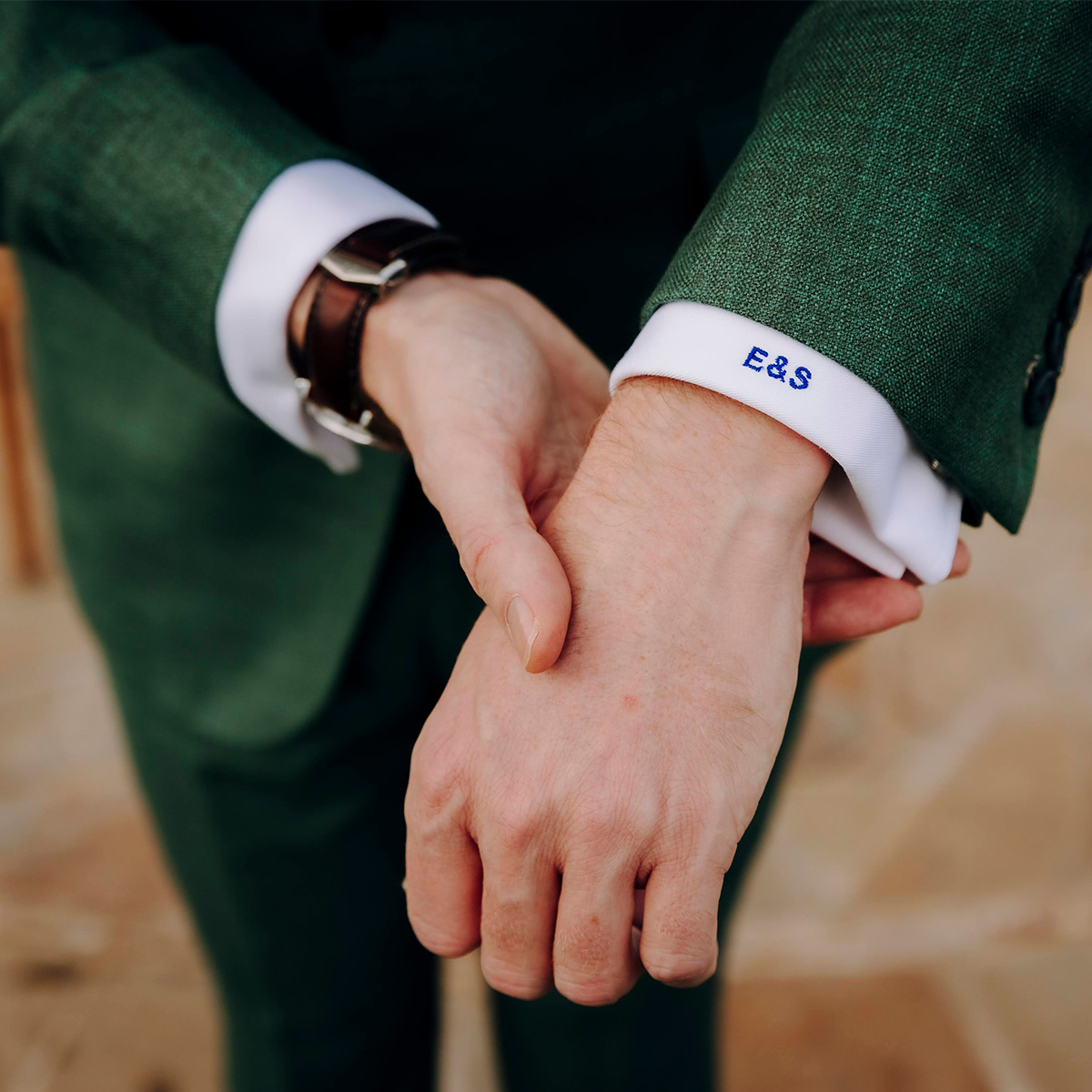
Traditional Tailoring: Wool
Vegan Alternative: Cotton / Synthetic
Traditional tailoring often uses wool or silk thread, particularly for decorative or specialist stitching. For our vegan suits, we use either cotton or synthetic thread.
Does a Vegan Suit Mean Compromising on Style?
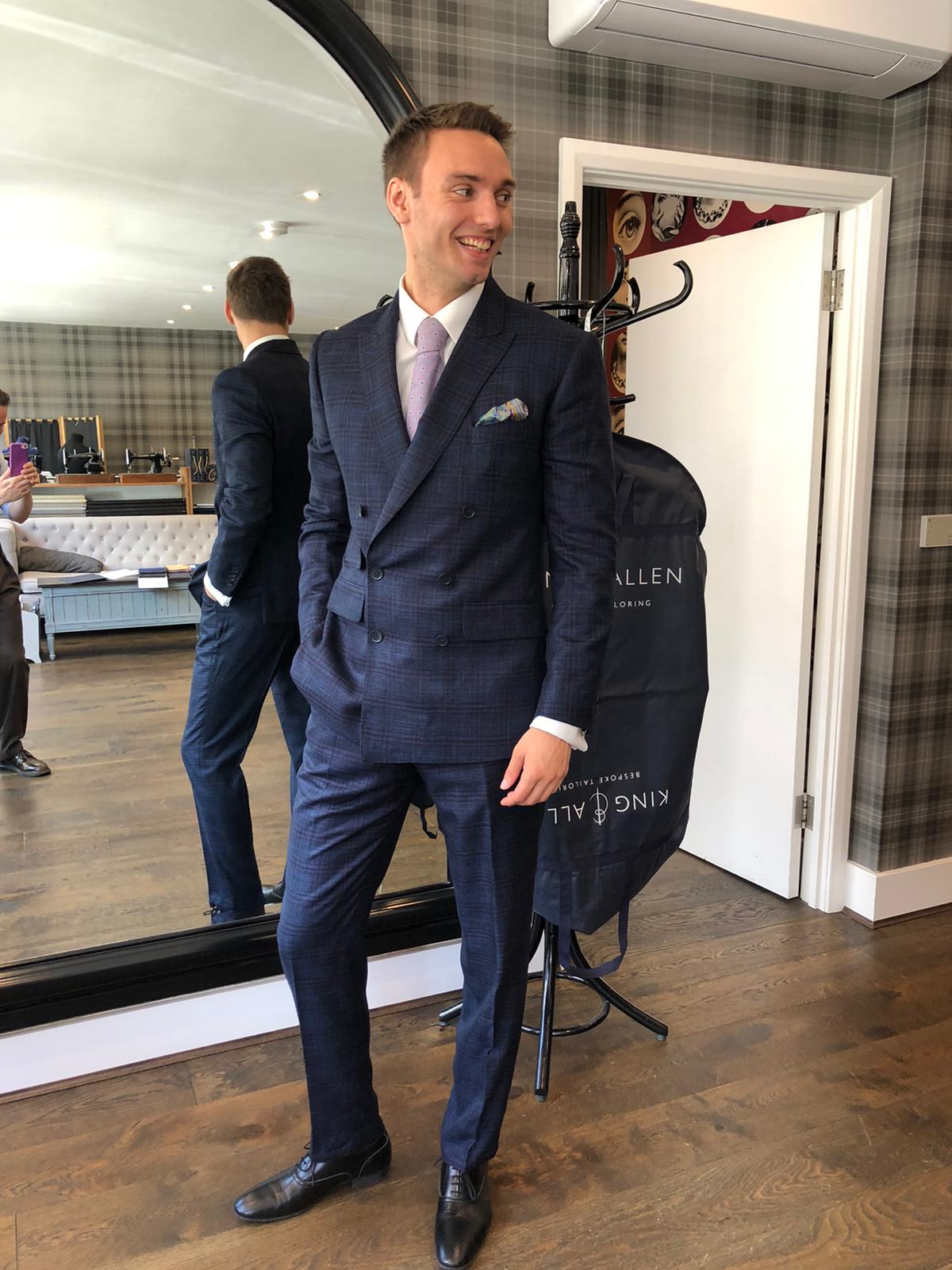
One of the biggest misconceptions surrounding vegan suits is that choosing animal-free materials somehow limits what you can wear. In reality, vegan tailoring offers an enormous amount of freedom when it comes to design.
Almost any style can be created using vegan-friendly materials, and it doesn't mean sacrificing the details that make a suit your own. Features such as patterned linings, appliqué, or decorative buttons can all be incorporated into a vegan suit.
At King & Allen, every garment is made to order, so you have the freedom to choose the cut, cloth, colour, and details that feel right for you. The only difference is that we ensure everything from the outer fabric to the internal construction meets vegan requirements.
Ultimately, there's no single way a vegan suit has to look, and whatever your preferences are, choosing vegan materials doesn't mean compromising on personal style.
Ready to explore our vegan tailoring options?
Create Your Dream Suit With Our Expert Team Today