Article
Tartan: A Classic Pattern Making a Stylish Comeback

After years of minimalist palettes and uniform fabrics, fashion is rediscovering heritage patterns. Among these, tartan has been making waves once again as a fabric with both history and character.
Did You Know?
While we often use “tartan” as a catch-all, true tartan is rooted in Scottish heritage and clan identity. Today, you’ll often see tartan alongside tartan-inspired plaids and checks that capture the same distinctive look. We’ve included a mix of both here, as the current trend isn’t about strict definitions, it’s about celebrating the broader influence and character of these iconic patterns.
Tartan in Trending Fashion
The television phenomenon The Traitors has helped bring tartan back into the mainstream, thanks in part to the distinctive Scottish influence seen in presenter Claudia Winkleman’s wardrobe. Tartan skirts in particular are enjoying a strong resurgence, appearing in a wide variety of patterns across both streetwear and high fashion. Major fashion houses including Alexander McQueen and Burberry continue to revisit tartan in their collections, reinforcing its status as a versatile yet striking addition to any wardrobe.
However, while some might see this as tartan “coming back”, it has never truly left. Fashion often moves in cycles, with contemporary design frequently revisiting aesthetics from previous decades - the 70’s, 80’s and 90’s in particular. Tartan itself played a significant role in the visuals of the 1990s and early 2000s.
Today’s renewed interest in heritage style is reflective of a broader cultural shift. Many people are increasingly drawn to garments that feel authentic and well-made, rather than driven by micro-trends. Craftsmanship and individuality are once again becoming central to how we think about fashion.
The Heritage of Tartan
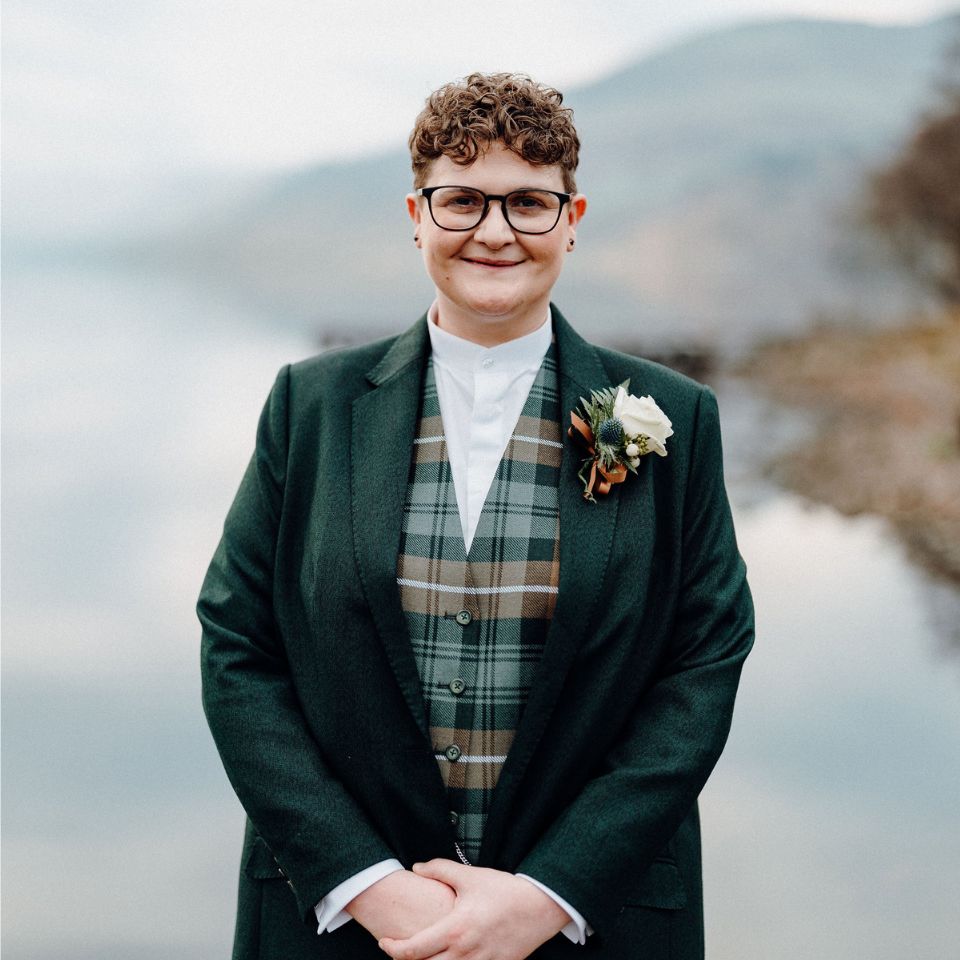
Tartan originates in Scotland, where its patterns historically represented regions or clans. These designs became symbols of identity, making tartan far more meaningful than a textile. While the patterns themselves carry cultural significance, the method of construction is just as important. Authentic tartan is traditionally woven in a twill structure, rather than printed, and multiple coloured yarns are interlaced on the loom to create the pattern. Most traditional tartans are woven in wool using a twill structure, this creates the characteristic diagonal rib in the cloth.
Traditional tartan weaving and modern bespoke tailoring share a commonality of devotion to craftsmanship. Each demands skill, precision, and a deep respect for tradition, whether in the careful interlacing of threads or the meticulous cutting and stitching of a suit. Both practices prioritise longevity over fleeting trends, producing garments that are designed to carry character.
Why Tartan Works So Well in Suits
Depth and Dimension
One of tartan’s most appealing characteristics is the richness of its design, created through intersecting coloured yarns. As a result, a tartan suit naturally carries visual interest without the need for excessive accessories. The twill weave of tartan gives the fabric a soft, matte finish rather than glossy, making it easy to combine with other materials or garments.
Fabric Structure
Traditional tartans are often woven in medium to heavier weight wool. The structure of the cloth supports the weight of the jacket, creating clean lines across the chest and shoulders, as well as draping cleanly across trousers too. Wool has natural resilience, resisting creasing and recovering well after wear. Additionally, the twill weave of tartan gives the fabric a soft, matte finish making it easy to combine with other materials.
Versatility
Tartan is sometimes misunderstood as loud, but this depends entirely on scale and colour. When woven with muted colours and tighter patterns, tartan appears further refined and professional. On the other hand, larger checks or brighter colour contrasts create a bolder visual statement. The flexibility of tartan makes it easy to adapt to different settings, such as business environments and weddings.
Seasonal Adaptability
Tartan is primarily associated with the cooler months, as the weight of the wool makes it ideal to stay warm. However, tartan is not limited to cold weather, as lighter-weight tartan fabrics in softer tones can work well for warmer weather.
Choosing the Right Tartan for You
Selecting the right tartan involves considering pattern scale, colour palette and the occasions where the suit will be worn.
Pattern Scale
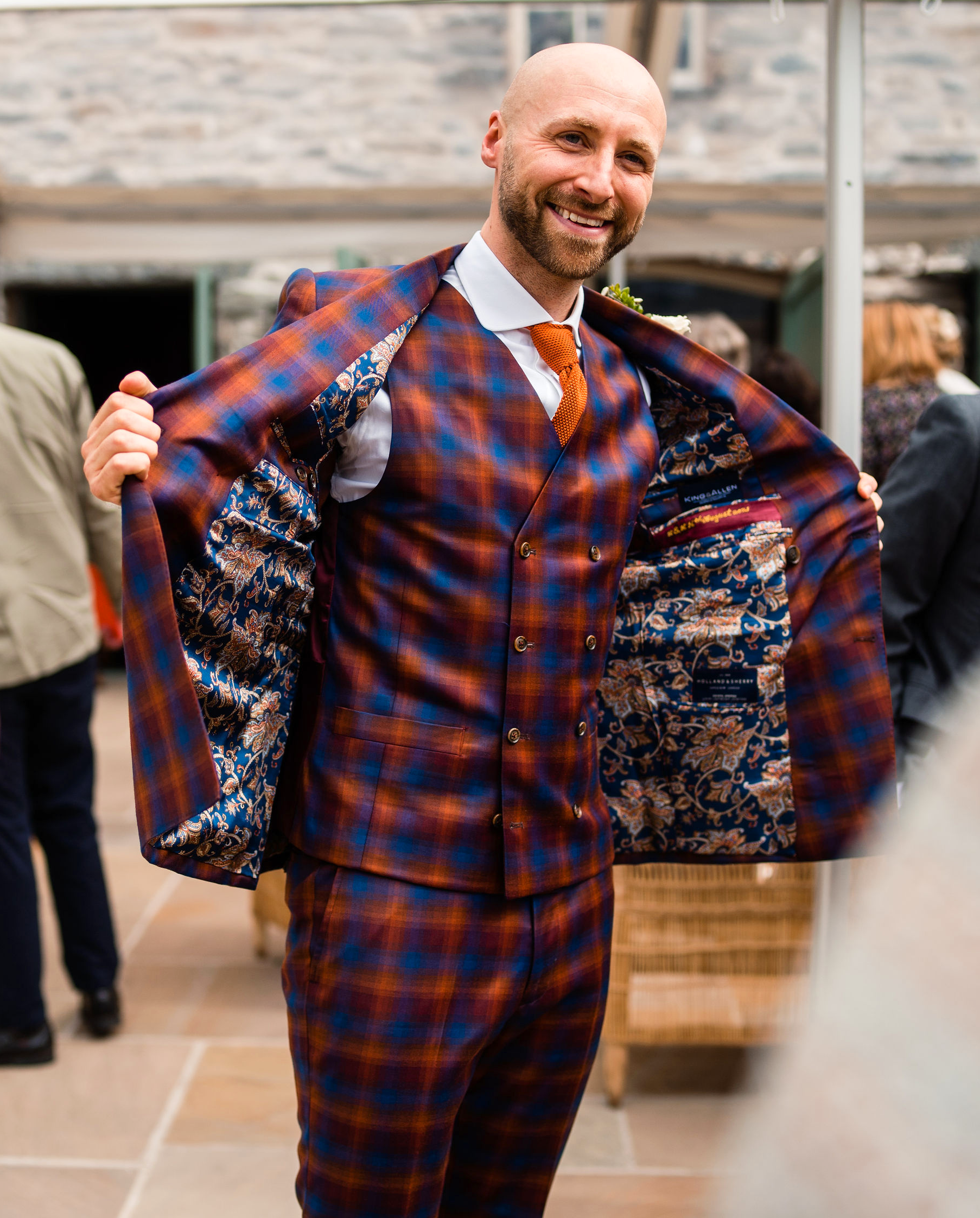
Smaller checks tend to appear more refined, and are often ideal for professional settings or for those trying out tartan for the first time. Larger plaids create a stronger, more expressive look, particularly appropriate for weddings and formal events.
Colour Palette
Muted tones such as navy and charcoal are both sophisticated and versatile, easily integrating into an existing wardrobe and therefore ideal in professional environments. Higher-contrast tartans featuring brighter colours are confident and expressive, making them ideal for occasions like weddings and parties.
Two or Three Piece Suit
A three-piece tartan suit, with its waistcoat, is a striking and formal look. This is ideal for events, such as weddings, where the groom's attire stands out. A two-piece suit is a more understated appearance, suited for professional business settings. An even more subtle approach would be to simply have a tartan waistcoat with a plain coloured jacket and trousers.
Explore the Cloth
Seeing the weave, feeling the weight of the wool and observing how colours interact in natural light all influence the final decision of your tartan selection. With this in mind, it is always worth requesting a swatch before committing to a fabric choice. Viewing real fabric samples allows you to appreciate the character of each tartan.
Styling Tips for Tartan Suits
A helpful rule of thumb is this: the bolder the tartan, the simpler the surrounding elements should be.
- Solid shirts are typically the best choice, avoiding pattern clashes and allowing the suit fabric to stand out.
- Keep accessories classic to ensure you look refined but not overwhelmed, such as a simple tie and pocket square.
- Matte fabrics can complement tartan better than shinier materials.
- Consider a blazer or waistcoat for a more flexible or subtle approach to tartan. Paired with neutral trousers, these pieces offer a relaxed option for smart-casual settings. Alternatively, a roll neck beneath a tartan jacket is another relaxed interpretation of tailored style.
Closing Thoughts
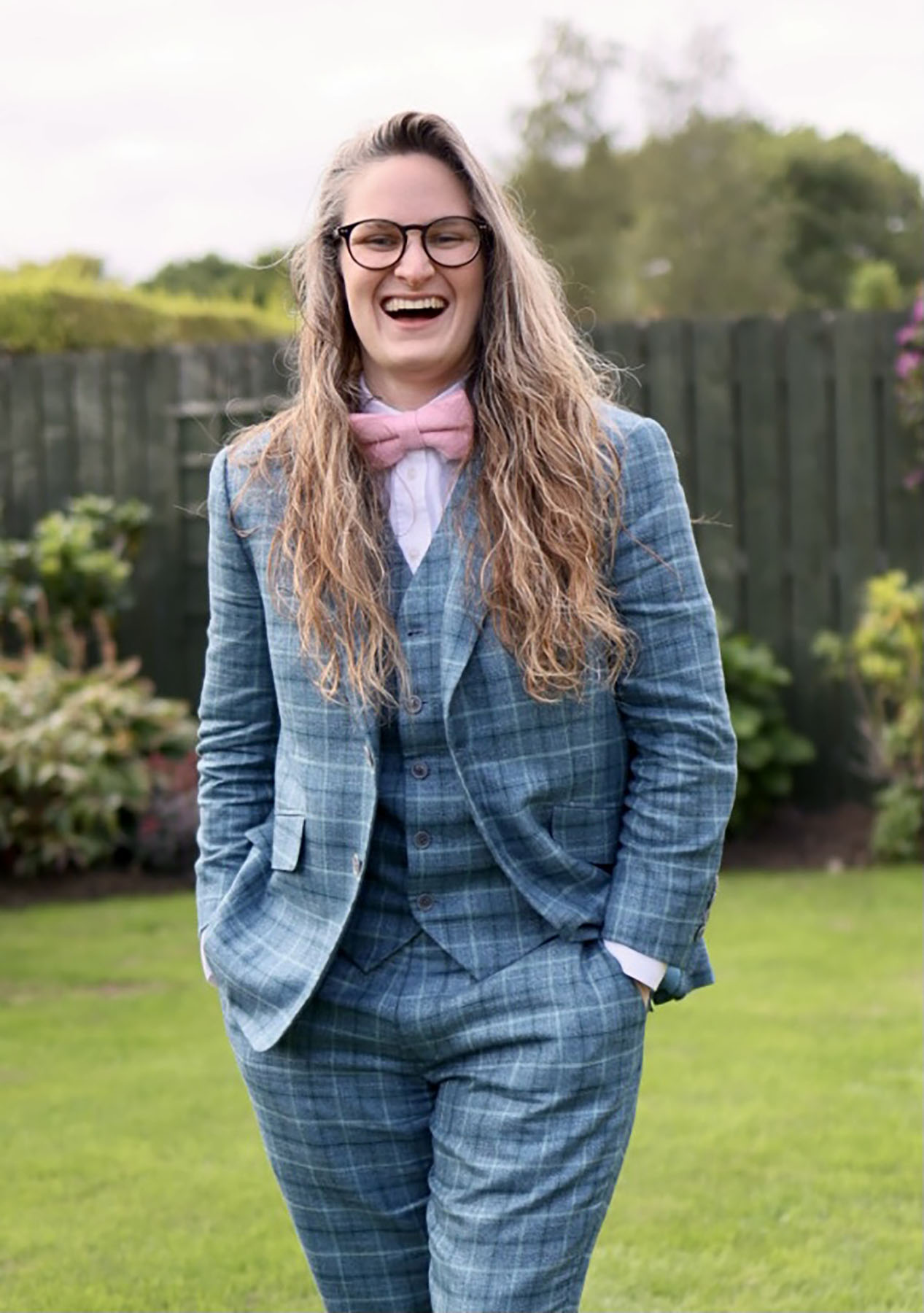
Tartan suiting offers a rare authenticity that's not often seen in the current wide selection of materials. Its unique construction and distinctive patterns have been widely appreciated for many years. Tartan is not a passing trend, and continues to evolve as designers and tailors reinterpret it through contemporary design. If you are seeking a distinctive and refined garment, tartan remains an exceptional choice.
Exploring cloth samples is the best first step to choosing the right tartan for you. Our Request a Swatch page allows you to view a variety of colour, scale and texture, helping you to select a fabric that reflects your own personal style.
Book in with us now to begin your bespoke journey.