Article
Tailoring Beyond the Binary: Marco Talks Fashion Identity and Self-Advocacy

Traditional tailoring has historically been shaped around rigid ideas of masculinity and femininity, which can make the experience feel intimidating or alienating for many non-binary people.
We sat down with K&A consultant Marco Duarte to talk about their experience navigating fashion as a non-binary person, finding an authentic sense of style, and advocating for what feels right. We also spoke about the importance of feeling seen and respected throughout the tailoring process, and how thoughtful changes in language, styling, and approach can completely transform the experience.
Q: How did you feel about clothing as a kid?
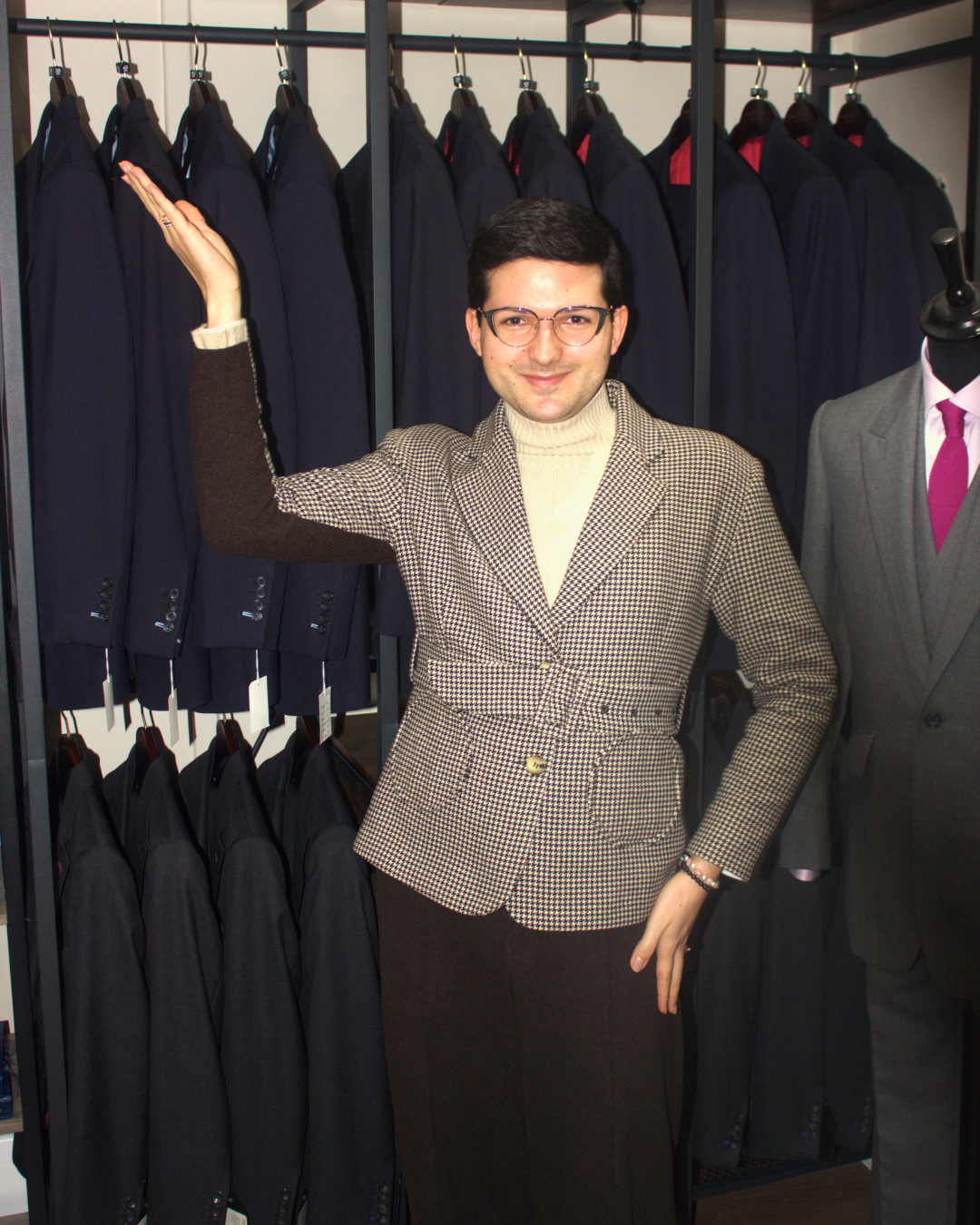
Marco: “I remember shopping for men’s clothing when I was younger and just hating the fit of everything. Nothing sat on my body the way I wanted it to, and I never felt comfortable in it. The moment I tried more female aligned cuts, something clicked for me because they hugged and fit properly in certain places. I suddenly felt more like myself, even if it wasn’t necessarily considered the norm at the time.
"When I was younger, I was obsessed with oversized jackets, especially ones I’d find in charity shops. I’d belt them tightly at the waist and wear them with wide-leg trousers or flares because I loved the movement in the clothing. There was something really powerful about a strong shoulder mixed with a dramatic waist, it almost felt like an ’80s power suit silhouette.
"I’ve always been drawn to that kind of styling, and to the dandyism era particularly, because it felt like a moment where people could really experiment with clothing without gender norms. I was also quite a flamboyant child.”
Q: How has your view now changed?
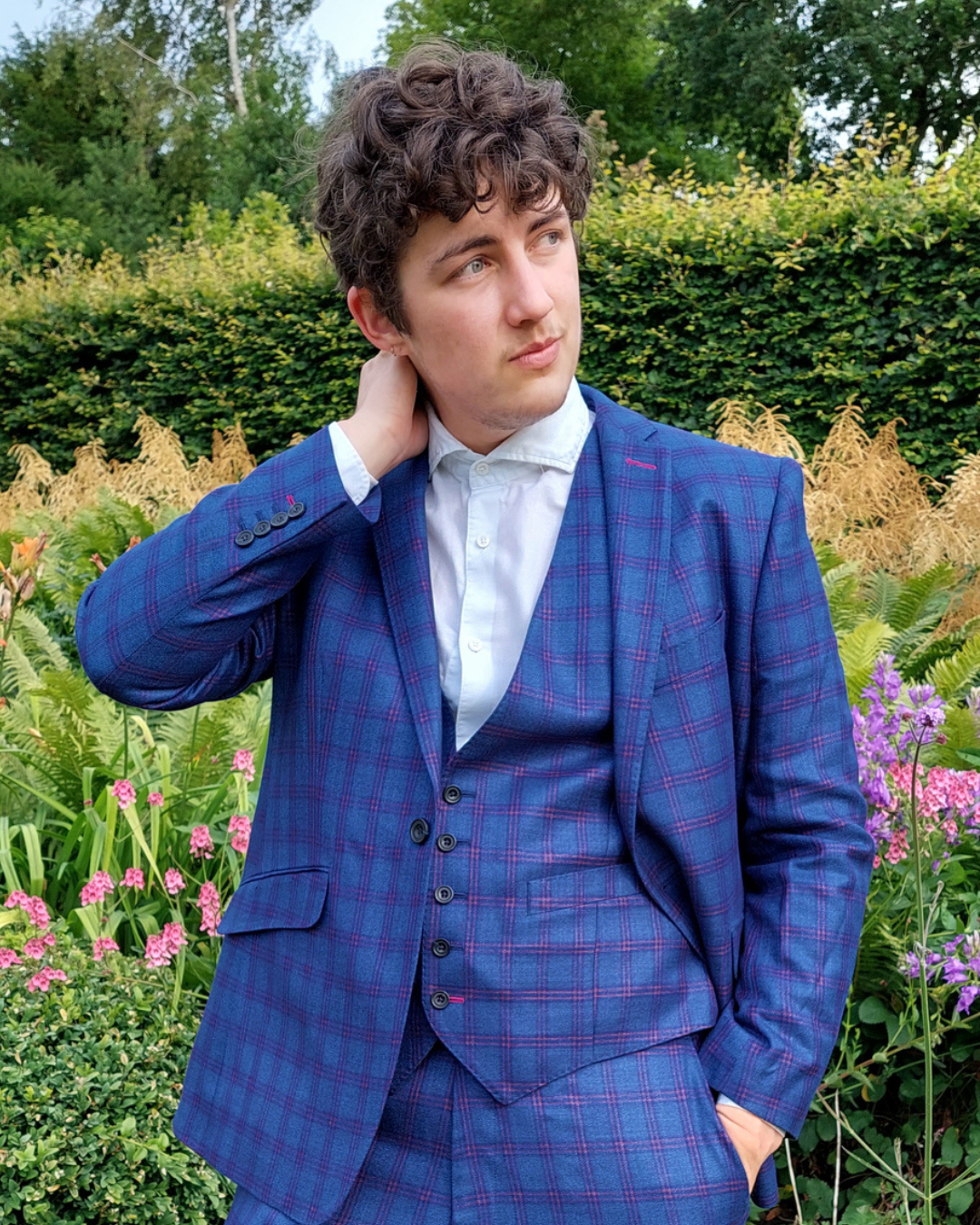
Marco: “The uncertainty I felt has largely been replaced with confidence, and my relationship with clothing is now stable and comfortable. Quality and sustainability matter greatly to me, but most importantly, how a garment feels to wear.
"Tailoring can give you a shape your body doesn’t naturally provide on its own, and that can completely change how you feel. I don't always naturally have the proportions I’m looking to exaggerate, but I can use tailoring to explore this and express a certain silhouette."
Q: What was your first experience in a formal tailoring environment?
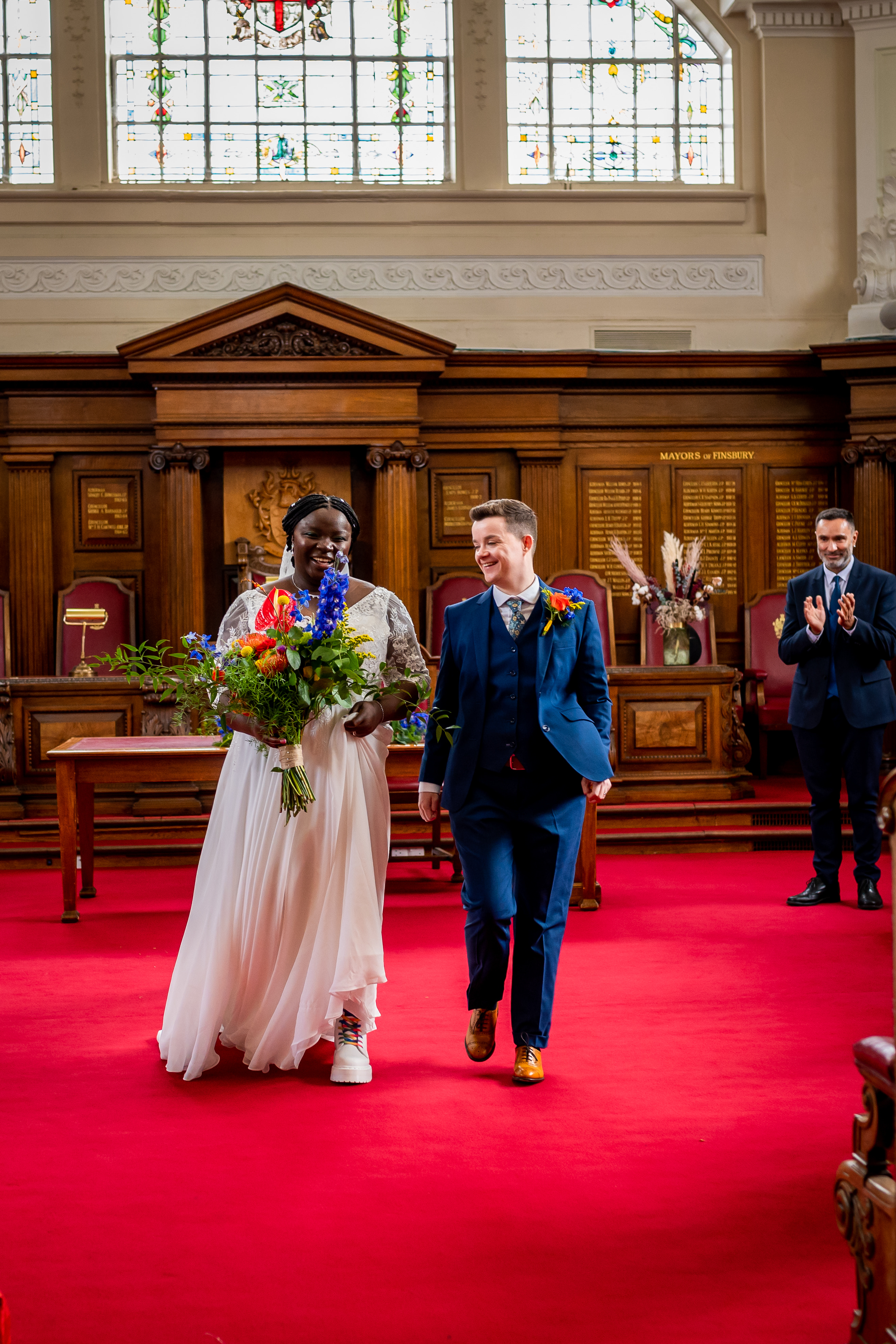
Marco: "My first experiences with formal tailoring felt uncomfortable because there were moments where I felt like I wasn’t the type of client they expected to walk through the door. It wasn’t always something directly said, but you could feel the atmosphere. That’s why spaces that are genuinely inclusive make such a difference, because you immediately feel more relaxed and more able to express yourself honestly.
"In my time working at King & Allen, I’ve seen how much difference it makes when a consultation is built on openness rather than assumptions. It’s not necessarily about the tailoring being radically different, but making people feel listened to, and that changes everything.”
Q: What would your advice be to the industry, and non-binary/LGBTQIA+ clients?
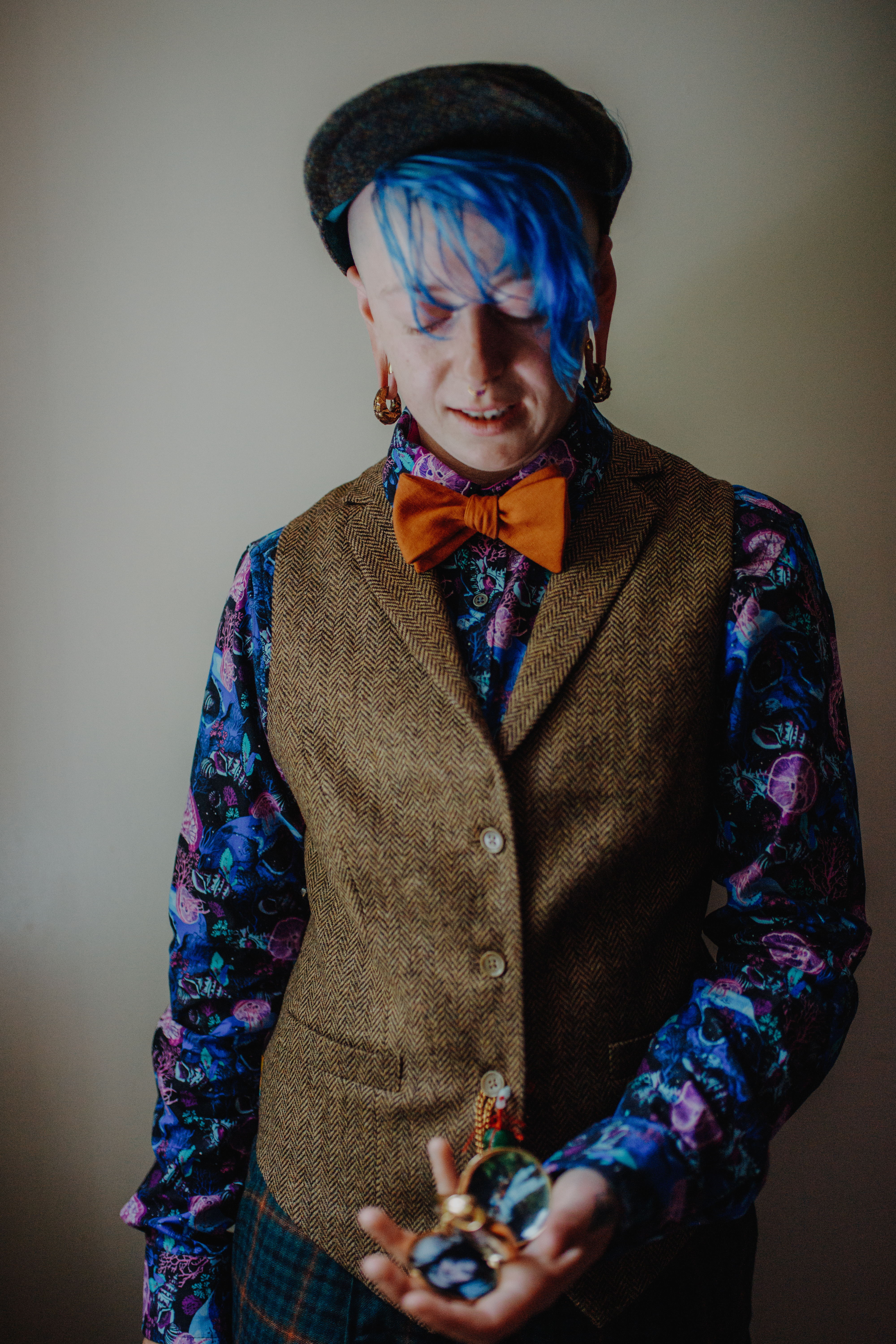
Marco: “The best experiences happen when the client feels listened to and understood, rather than pushed towards what somebody else thinks they should wear. Inclusive tailoring that works best is all about a two-way process of professionals creating a space for openness, and clients feeling able to clearly express what they want. Advocacy means having permission to be experimental and honest about how clothing should function for their body and identity. Inclusivity is about removing assumptions and actively listening”.
Q: What changes have you observed in the fashion industry, and what do you hope for the future?
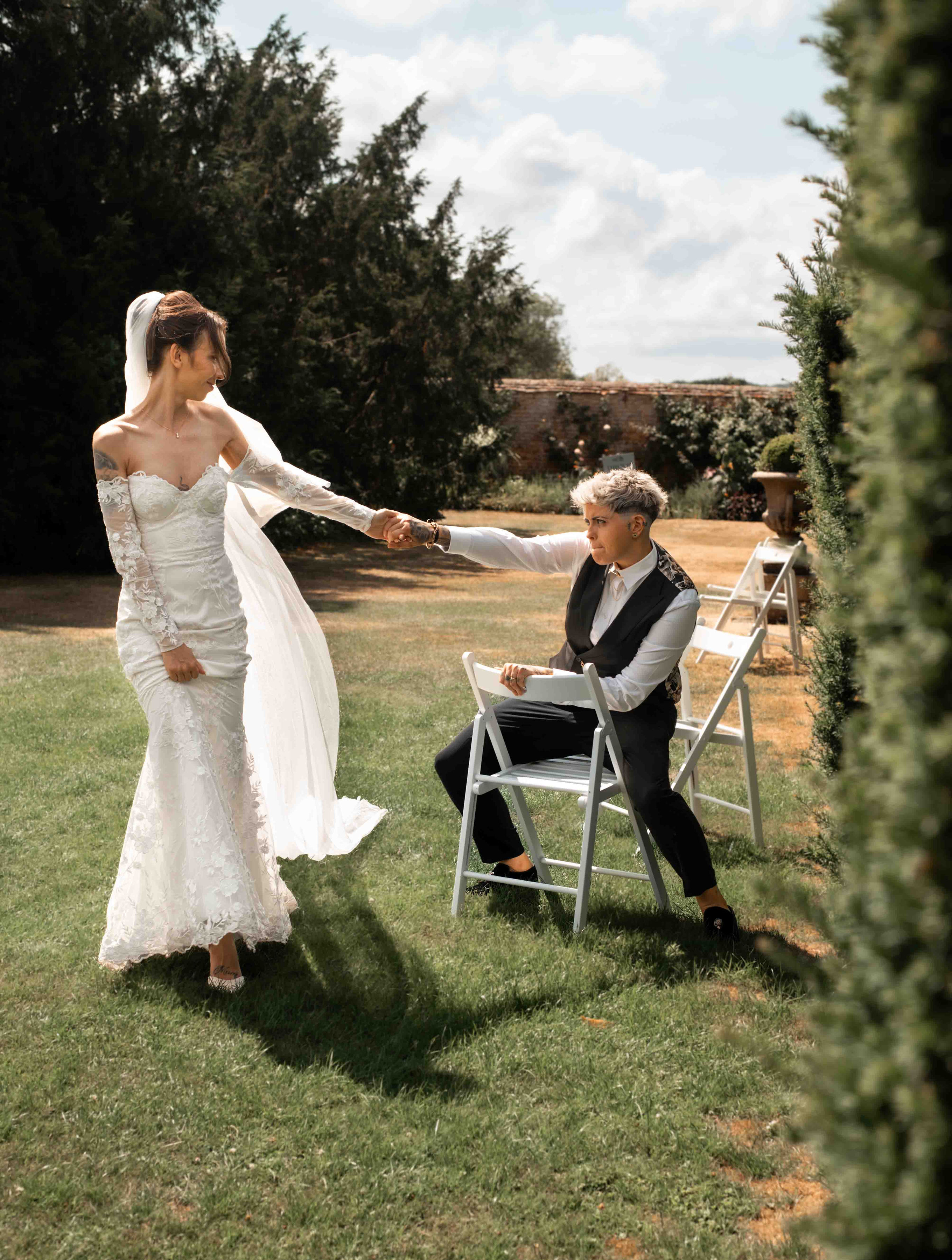
Marco: “There’s definitely more openness now, especially around men experimenting with fashion in different ways. You see it at events like the Met Gala or in films and television where men are wearing softer tailoring or more traditionally feminine looks. But I still think the industry has work to do, especially in tailoring spaces that can still feel very masculine-driven or intimidating for certain clients.”
The Future of Inclusive Tailoring
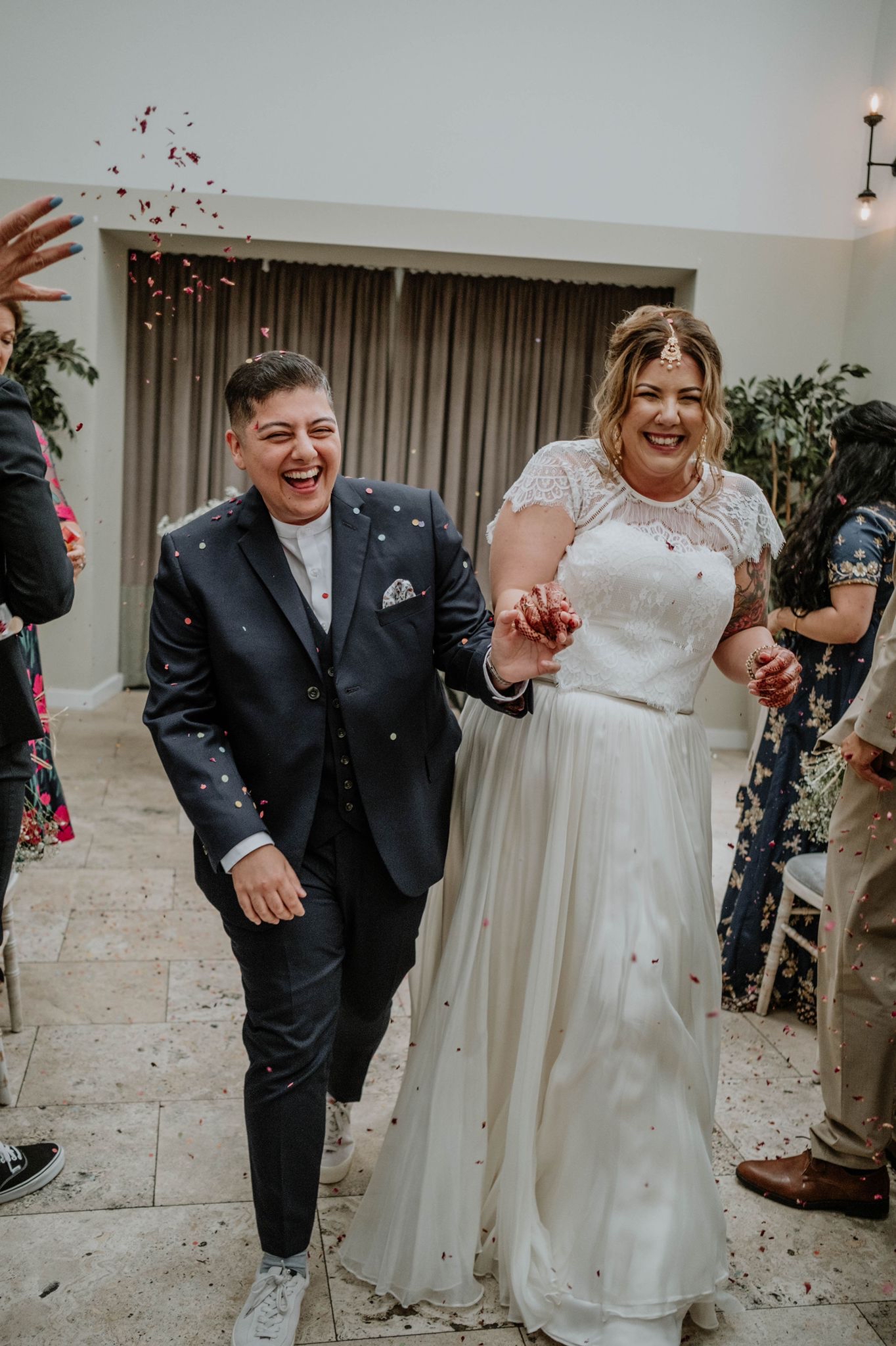
Runways, red carpets and major campaigns increasingly showcase clothing that challenges traditional ideas of gender. Yet while fashion has evolved rapidly, many real-world experiences still fall short. Standard sizing systems and shopping experiences often remain rooted in outdated assumptions about how people should look and dress.
Bespoke tailoring offers exceptional freedom and personalisation, but the industry can still feel shaped by longstanding conventions that do not reflect the full diversity of gender expression. We hope the future of tailoring moves beyond these limitations, not by abandoning its heritage, but by making the experience more accessible and welcoming to everyone.
As fashion continues to expand its understanding of identity and self-expression, tailoring has an opportunity to become more personal and inclusive than ever before. The future of inclusive tailoring is about creating spaces where clients feel comfortable expressing what they want, without expectation or judgement.
Our advice to the world of tailoring…
For tailoring professionals:
Avoid assuming a client’s desired look based on gender expression or presentation.
Focus on technical language, such as fit, proportion and movement.
Ask what the client wants to emphasise or soften, rather than assigning gendered categories.
Create a relaxed environment where exploration feels safe.
Use clear explanations when describing cuts, fits and construction details.
Treat every fitting as a collaboration rather than a correction of the body.
Be aware that many clients may have had previous negative or exclusionary experiences.
Prioritise listening over directing the outcome.
For non-binary/ LGBTQIA+ clients advocating for themselves:
Lead conversations with how you want to feel in the garment (e.g. soft, structured, fluid).
Be specific about silhouette preferences such as waist definition, shoulder structure or trouser shape.
Bring visual references to communicate ideas that are hard to describe in words.
Don’t hesitate to redirect the conversation if suggestions don’t align with your vision.
Remember that bespoke tailoring is meant to adapt to your body, not the other way around.
Trust that your preferences are valid even if they don’t fit traditional tailoring norms.