Article
Princess Diana's Suit Style: Six Times She Made Menswear Her Own

Few people have left as lasting a mark on fashion as Princess Diana. More than two decades after her death, her outfits still inspire designers, celebrities, and fashion enthusiasts worldwide.
While Diana is often remembered for her glamorous evening gowns, her collection of tailored suits deserves just as much attention. She had a remarkable ability to make traditionally “masculine” clothing feel entirely her own, from her iconic oversized sport coats to her elegant tuxedos. Throughout the 1980s and 1990s, Diana's wardrobe underwent a considerable transformation. Her early outfits reflected the expectations of royal dressing, while her later choices became increasingly experimental and personal. Although she was particularly fond of a skirt suit, Diana also embraced trousers, waistcoats, bow ties and other elements borrowed from traditional menswear.
As bespoke tailors, we can't help but admire her approach to suiting. So, we've chosen six of our favourite Princess Diana tailoring moments, exploring what made each one special and why we'd happily wear them today.
1. The White Tuxedo (1984)
In February 1984, Princess Diana attended a Genesis concert at Birmingham's National Exhibition Centre while pregnant with Prince Harry. Rather than opting for a traditional evening gown, Diana arrived in a white tuxedo designed by British fashion designer Margaret Howell, complete with black satin trousers and a matching bow tie.
According to Elizabeth Holmes, author of HRH: So Many Thoughts on Royal Style, Diana was the first female member of the British royal family to be photographed wearing trousers to an evening function. Whether or not Diana intended to make a statement, her outfit challenged expectations of how a princess should dress.
Key Features:
Jacket: Ivory double-breasted tuxedo with tonal buttons.
Lapels: Contrasting pale grey satin shawl lapels.
Shirt: White dress shirt with black bow tie.
Trousers: Relaxed, straight-leg black satin trousers.
Accessories: Black clutch and delicate earrings.
2. The Grey Tailored Coat (1984)
Although we're particularly interested in Diana's trouser suits, it would be difficult to discuss her tailoring without mentioning a couple of her skirt suit looks.
In March 1984, Diana attended an official engagement wearing this sophisticated look while pregnant with Prince Harry. During both of her pregnancies, Diana worked with several British designers to create clothing that accommodated her changing figure while maintaining her personal style. One of these designers was Jan van Velden, who became known for creating maternity garments for the Princess.
What we particularly admire is how the coat combines elegance with comfort. Its slightly relaxed fit allows room for Diana's changing figure without compromising on shape or style. It's something we particularly appreciate in bespoke tailoring, where garments can be designed around the individual rather than relying on standard sizing.
Key Features:
Coat: Grey double-breasted, knee-length design with roped shoulders.
Lapels: Wide peak lapels with a contrasting black velvet collar.
Shirt: Crisp white shirt with a black ribbon tie.
Skirt: Grey checked skirt visible beneath the coat.
Accessories: Black clutch, sheer tights and black pointed heels.
3. The White Skirt Suit (1985)
In 1985, Diana wore a white skirt suit by British designer Jasper Conran, who worked with the Princess during her early years as a member of the royal family.
Conran was known for his elegant and simple designs, and his approach to tailoring complemented Diana's style at the time. The coordinated jacket and skirt offered a softer interpretation of traditional suiting, combining the structure of a tailored jacket with the movement and shape of a skirt. The beauty of this outfit lies in its simplicity. The white cloth allowed the silhouette of the garment to remain the focus, with the elegant drape of the jacket and skirt helping to create a balanced appearance.
Key Features
Jacket: Ivory single-breasted, hip-length jacket with a fitted waist and structured shoulders.
Lapels: Narrow, pointed lapels in matching ivory.
Shirt: White high-neck blouse with a black bow tie.
Skirt: Matching ivory knee-length pencil skirt.
Accessories: Black clutch, sheer black tights, and pointed black heels.
Interestingly, Diana's approach to tailored skirt suits still influences fashion today. In 2023, actor Emma Corrin wore a tuxedo-inspired Miu Miu ensemble that drew comparisons to Diana's famous white tailoring.
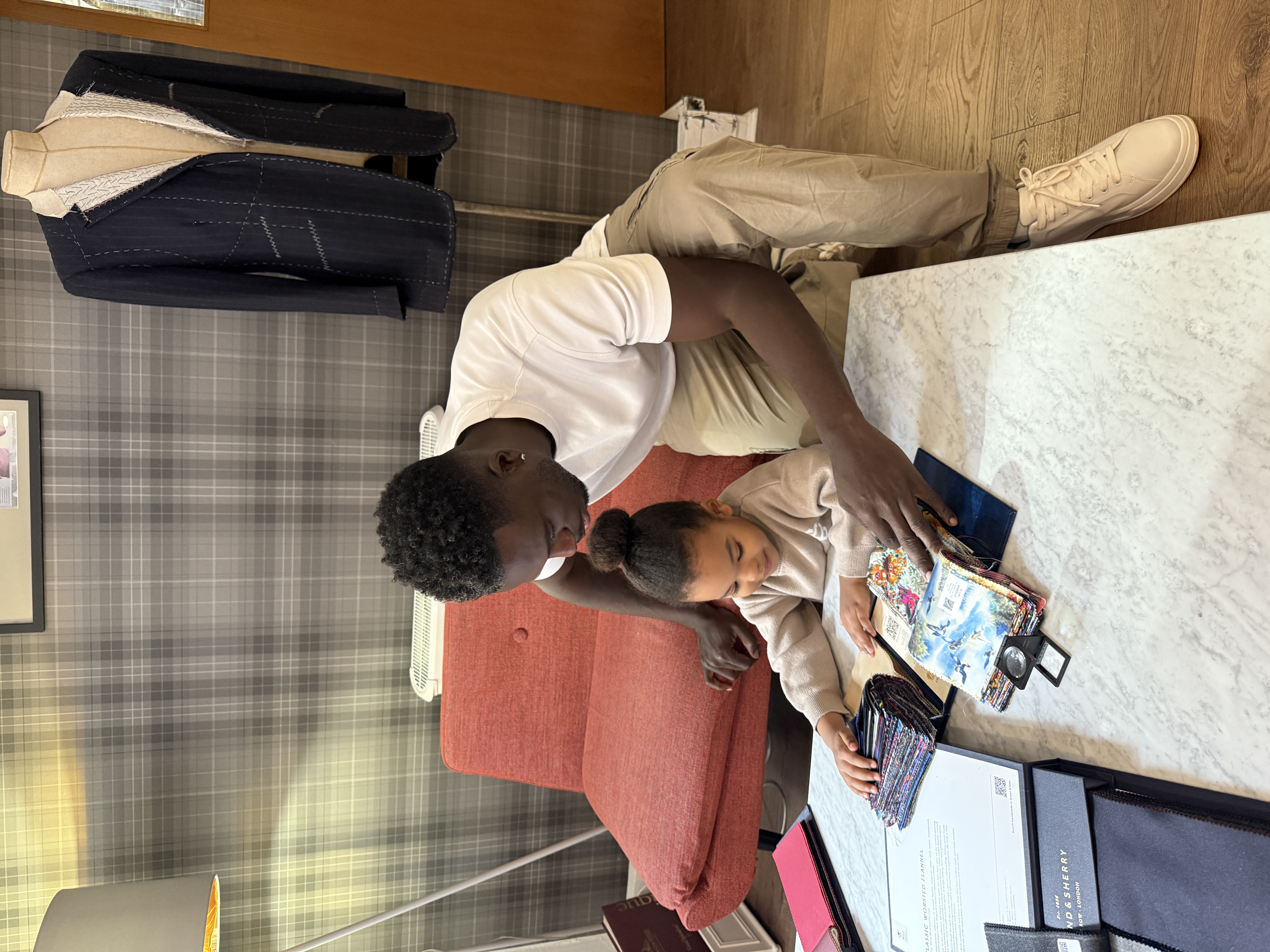
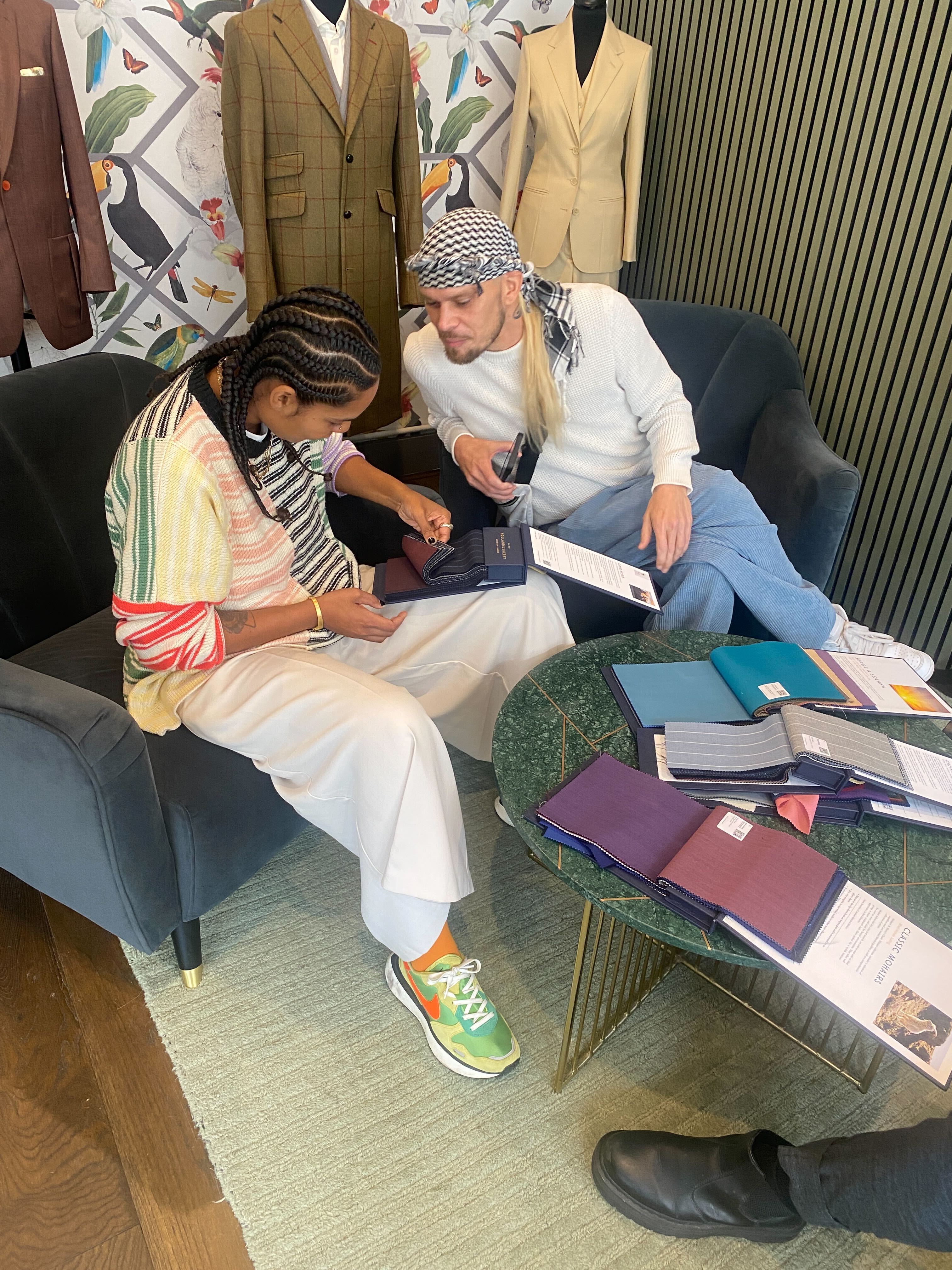
Fabric is the heart of tailoring, and choosing it is a hands-on process. In the showroom, clients can run their fingers across a cloth, feel its weight as it drapes over their arm and notice how it catches the light as they turn it. A fabric can look completely different in your hands than it does in a photo. The softness of a flannel, the crispness of a high-twist wool or the subtle sheen of a mohair blend only really comes to life in person.
The same goes for every detail of the garment. A client might try on a sample jacket and feel how a particular cut sits on the shoulders, handle the lining options, or compare buttons in the palm of their hand. Each of these tactile moments helps ideas take shape, so the finished garment begins to feel real long before it's made.
A Shared Experience
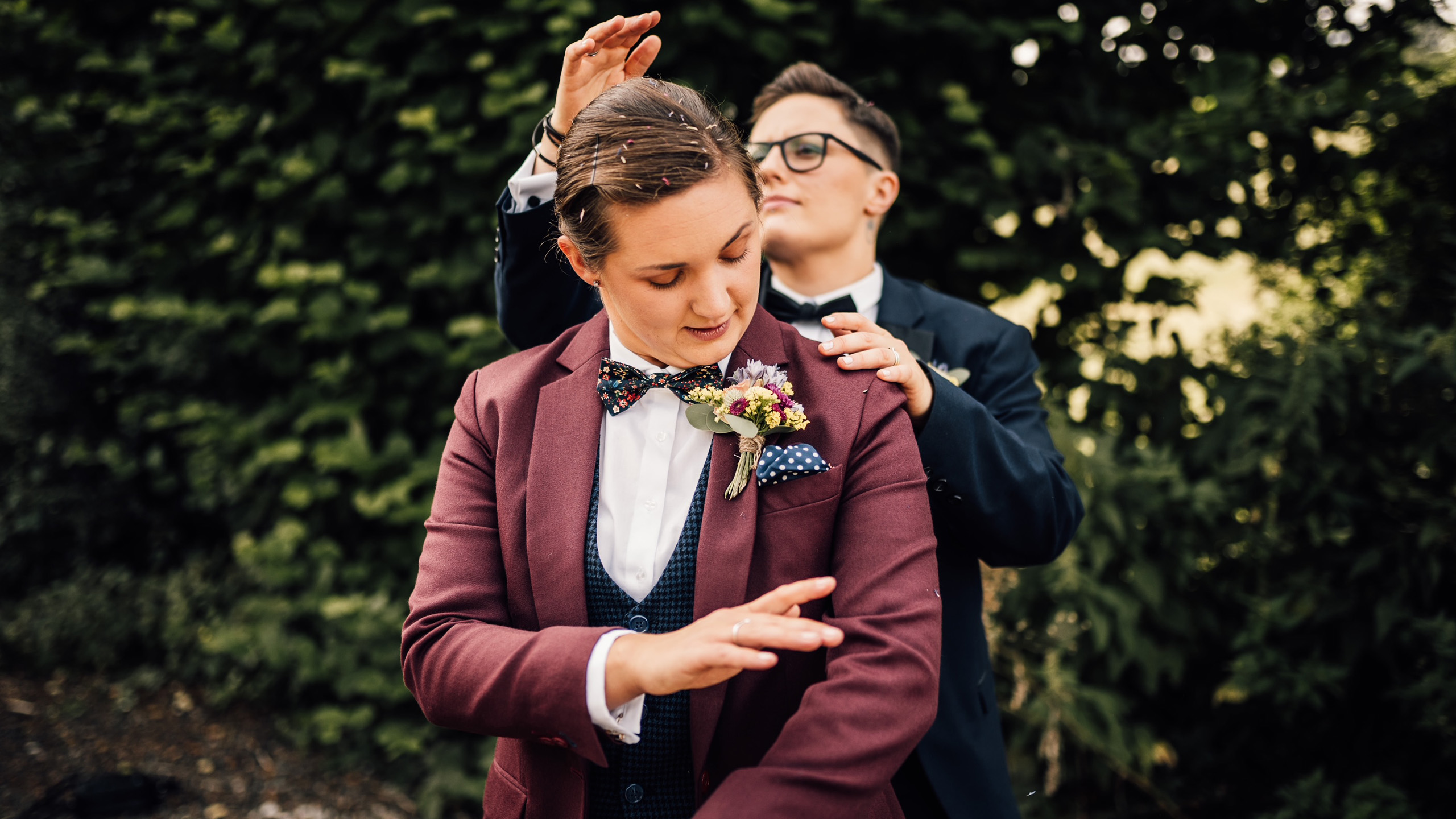
A bespoke appointment is more than a transaction. It's often part of one of life's big moments: a groom preparing for his wedding, a graduate buying their first proper suit, a father and son getting fitted together for a family celebration. These occasions deserve to be marked, and being in the showroom together turns them into an event of their own.
There's something special about watching someone you love try on a jacket and stand a little taller, or sharing a laugh with your best man over the boldest lining in the room. The tailor shares in that excitement too, and many clients remember the person who helped them as fondly as the suit itself. AI can personalise a recommendation, but it can't raise a glass with you or feel proud when you see yourself in the mirror for the first time. That warmth only comes from people being in the room together.
Developing a Tailor's Eye
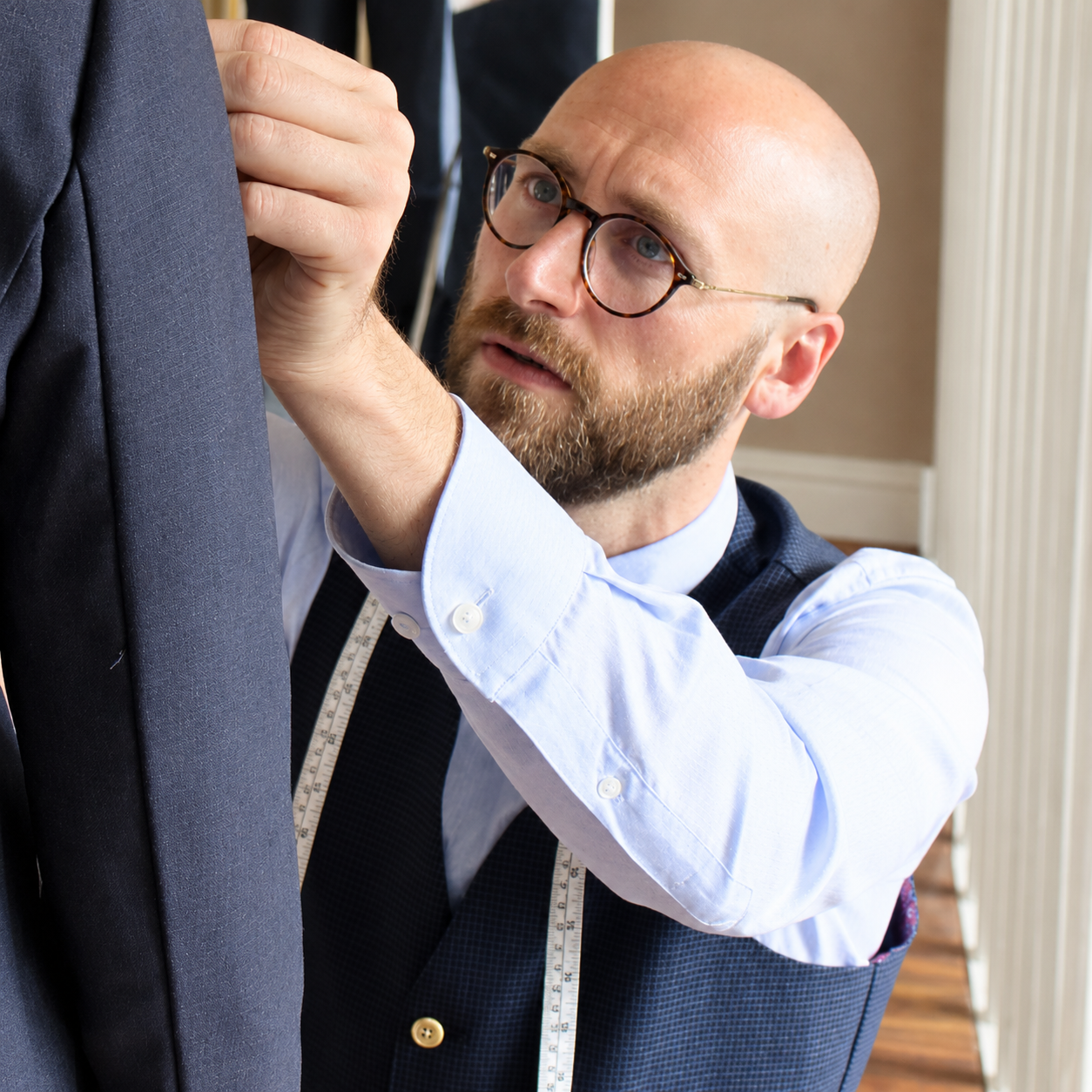
Tailoring relies heavily on observation, and consultants learn to notice subtle reactions that help steer the conversation in the right direction. Two clients might share almost identical measurements, yet one naturally carries a dropped shoulder, while the other keeps tugging at the front of a sample jacket as though it doesn't quite feel right. Neither might mention it, and neither would show up in a set of numbers, but a tailor will spot it straight away and take it into account.
Some details are also difficult to put into words, but an experienced tailor can pick up on them easily. A client may feel unsure about a particular detail without being able to explain why, and a tailor can recognise that hesitation and adjust the conversation to get to the heart of it.
This is where experience becomes particularly valuable, because a tailor is constantly observing and making decisions based on what is happening in front of them. AI can identify patterns within information, but tailoring involves situations where there may be no single right answer.
Fittings and Adjustments
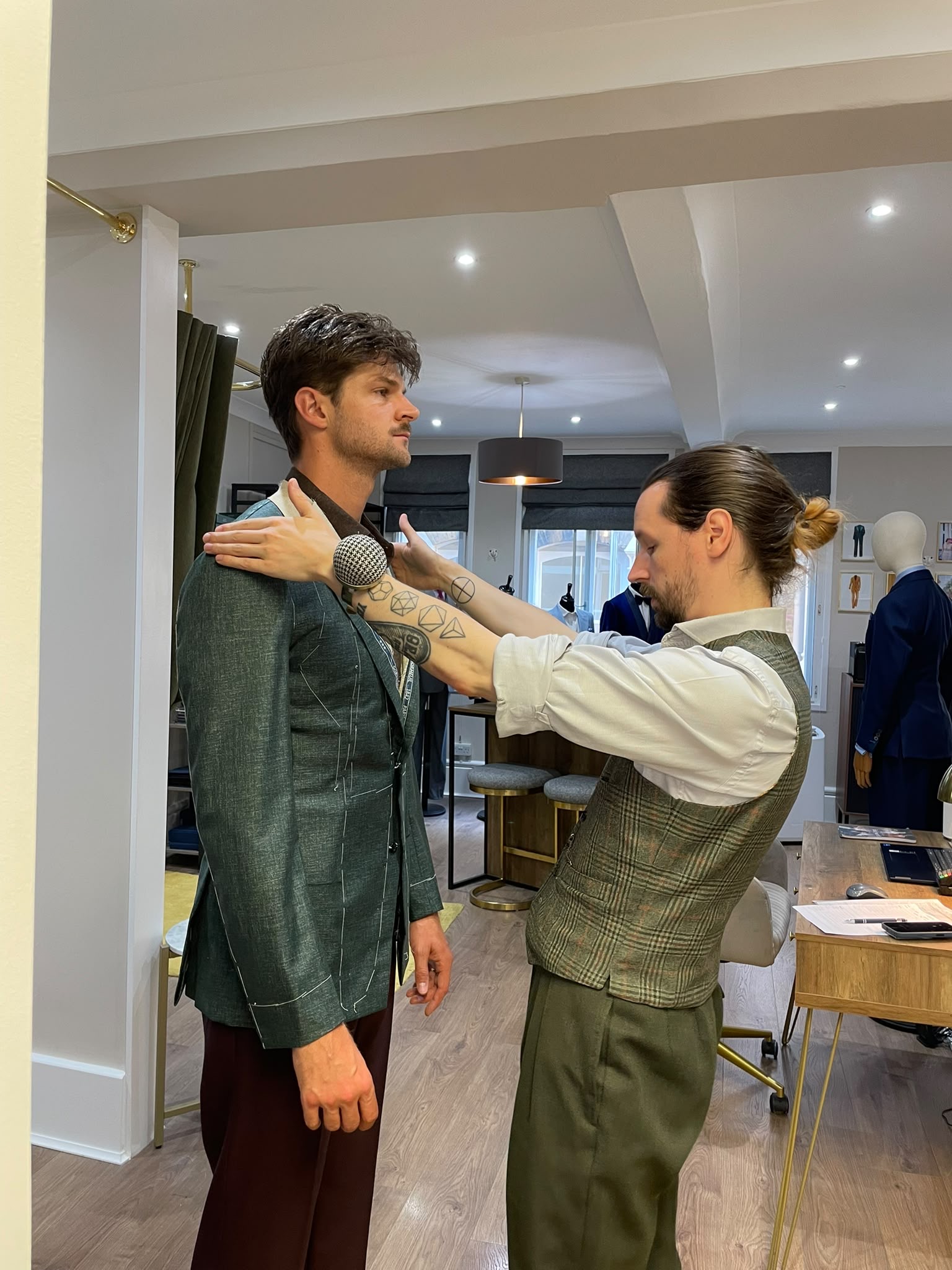
The fitting stage is vital. It gives the tailor the chance to see how the suit sits when the client is standing, sitting, and moving, how the cloth behaves, and which areas need attention. Just as importantly, the client can give immediate feedback on how it feels to wear.
A sleeve may feel slightly restrictive, or a jacket may sit differently when the client sits down, and the tailor can respond to that feedback there and then. Seeing how cloth behaves on a moving person reveals details that measurements alone can't capture, and the ability to make changes during this process is one of the reasons experience matters so much.
The Skill Behind the Craft
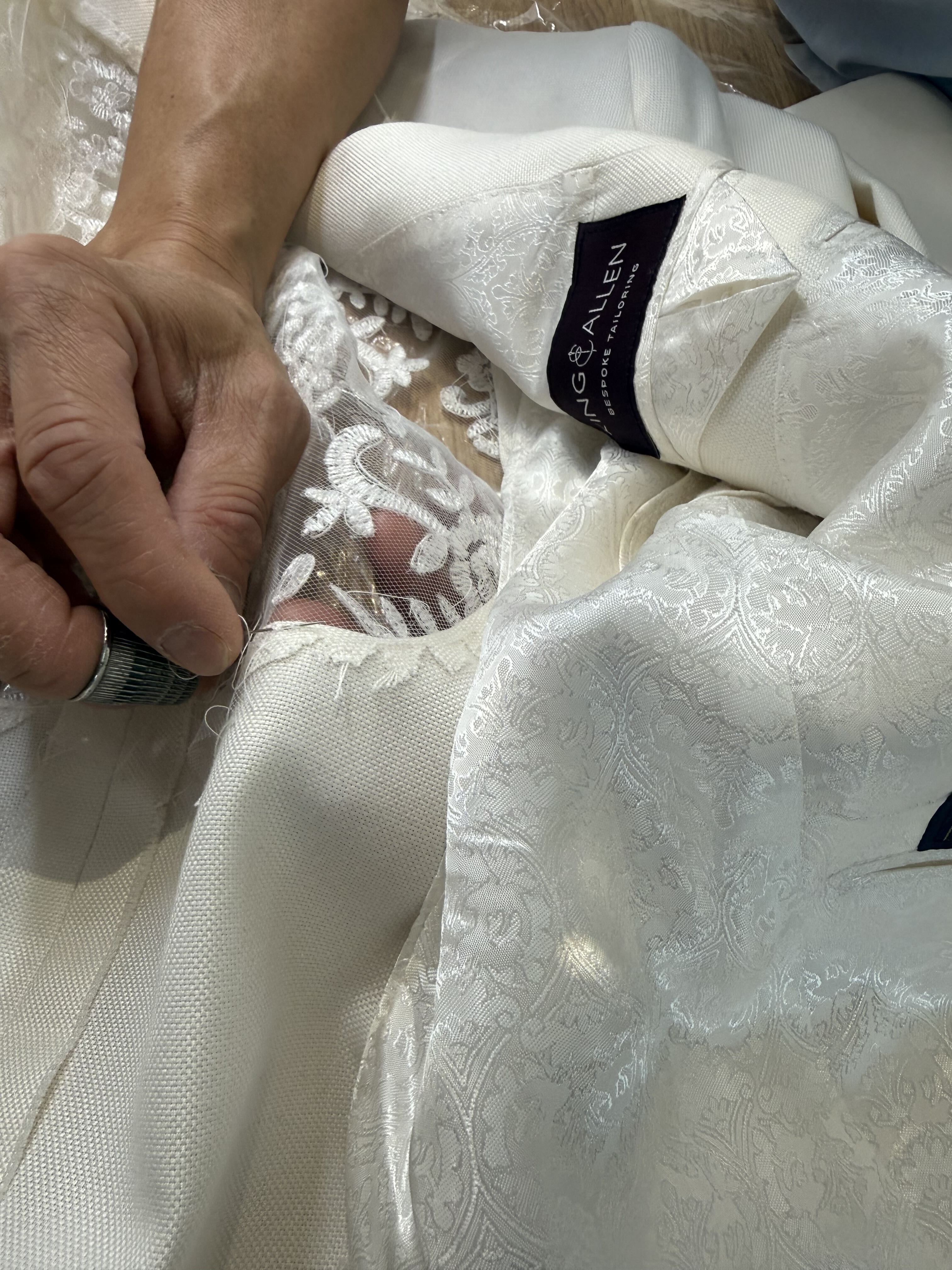
Behind every bespoke suit are skills that take years to master. A tailor learns to feel how much tension a thread needs, how far a cloth will stretch and ease, and how a lapel should be shaped so it rolls naturally rather than lying flat. Pressing with steam and heat can mould a flat piece of wool into the curve of a shoulder, and knowing exactly when to stop is a judgement no manual can fully teach.
Much of this knowledge lives in the hands rather than on paper. Two cloths with the same weight and composition can behave completely differently under the needle, and an experienced tailor adjusts instinctively as they work. It's the result of thousands of hours spent cutting, stitching and correcting, learning something new from every garment along the way.
AI can learn from data, but a tailor learns by doing. That difference is what turns a set of measurements into a suit that feels like it was made for you, because it was.
Creating What AI Hasn't Learnt Yet
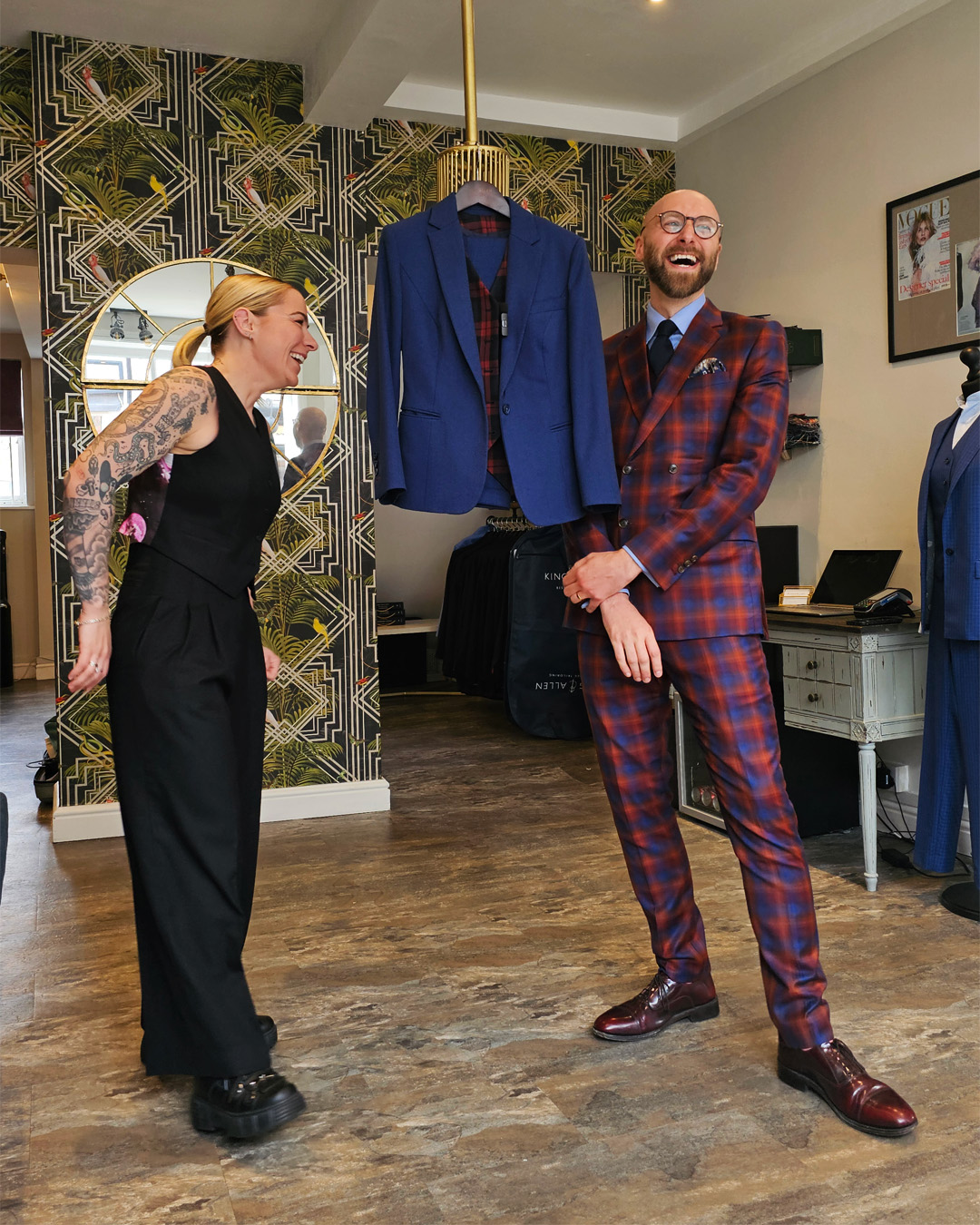
AI learns from what already exists. Its suggestions are shaped by patterns in huge volumes of existing information, much of it published online, which means it reflects how tailoring has been done in the past and who it has traditionally been made for. For a long time, that has meant a fairly narrow idea of what a suit should look like and who should wear one.
At King & Allen, much of our work sits at the leading edge of inclusive tailoring, and many of the techniques we use haven't been widely documented because we're developing them ourselves. Every day, our consultants and tailors are finding new ways to cut, shape and fit garments for people whose bodies, identities and needs the traditional rulebook never considered. Each solution comes from listening to a client, trying something new and refining it until it's right.
Where there's little existing knowledge to draw on, AI tends to fall back on the conventional answer. But when the right answer hasn't been written down yet, it takes people to find it. The next chapter of tailoring is being written in the fitting room, not learnt from a dataset.
Where AI Could Help Tailors
AI does have plenty of potential within the industry, and some of its most useful applications may happen behind the scenes to help tailors and consultants.
For example:
1. Design visualisation could allow tailors to explore and see ideas quickly. Creating a visual representation of a particular combination could inform a decision before the garment is made.
2. Research can help gather and summarise information, reducing the time professionals need to spend searching through large amounts of material. For example, researching different fabrics, historical styles or current trends.
3. Administration tasks that involve organisation, drafting basic communications or managing repetitive processes could potentially be completed more efficiently with the help of AI.
This could give tailors more time to concentrate on their specialist skills and their clients. AI can therefore have a practical role within the industry, as it can for many others, without becoming responsible for the creative and personal decisions at the centre of bespoke tailoring.
The Future of Bespoke Tailoring
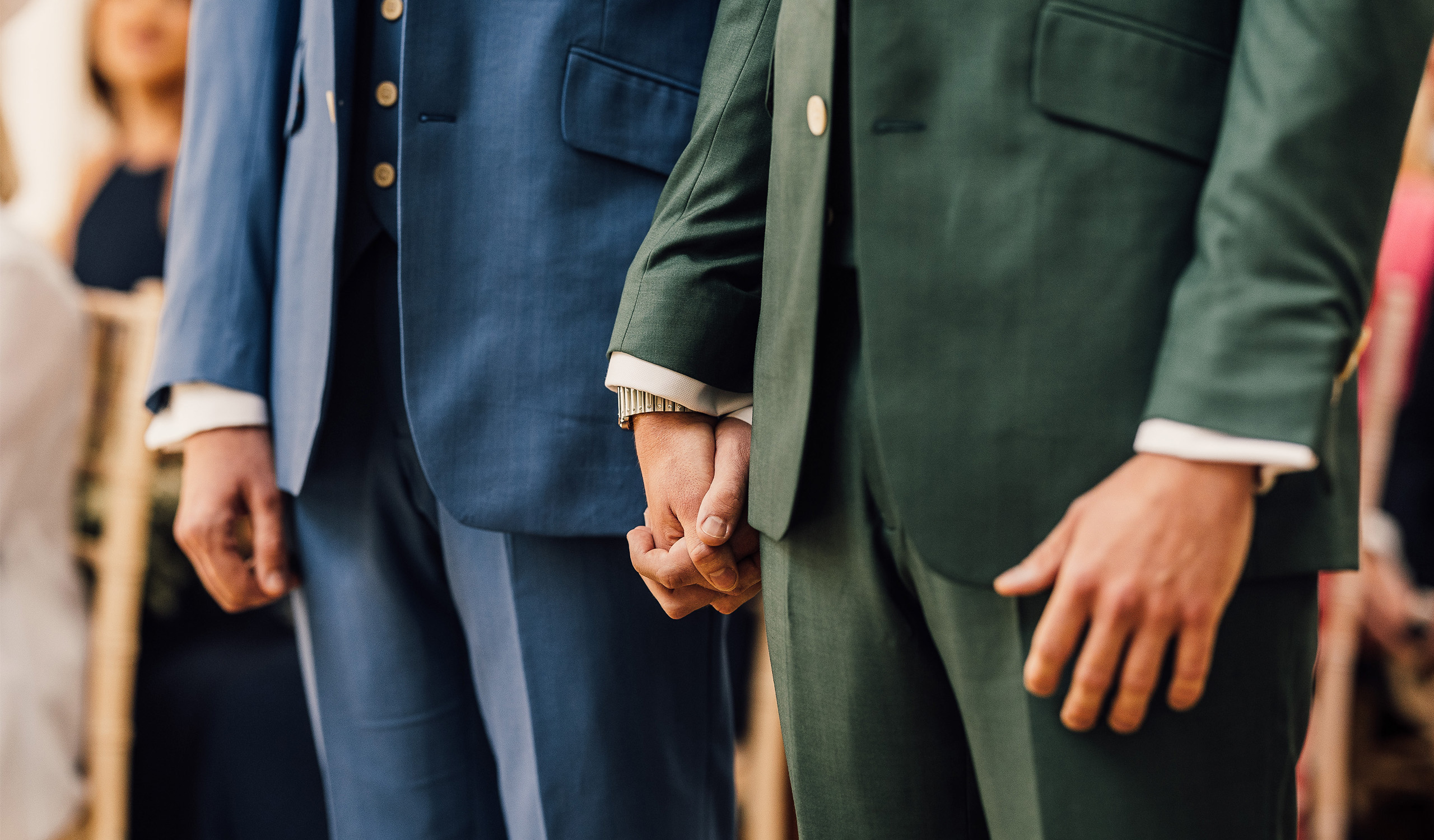
AI is likely to become increasingly visible across the fashion and tailoring industry, and its capabilities will continue to develop. This will create a relationship between new technology and established craftsmanship rather than treating them as competing approaches. AI can become another tool in the tailor's workshop, helping professionals work more efficiently while leaving the skilled aspects in human hands.
Ready to experience bespoke tailoring for yourself?
Talk to one of our expert consultants today